
Boiler Hydrostatic Testing in Oklahoma: What It Proves, When It's Required, and How to Prepare
A practical guide for Oklahoma facilities on boiler hydrostatic testing: what the test verifies, how to prepare safely, documentation expectations, and common failure points.
Boiler Hydrostatic Testing in Oklahoma: What It Proves, When It’s Required, and How to Prepare
Hydrostatic testing is one of the most important “confidence checks” you can do on a boiler or pressure vessel—because it answers a simple question: can this pressure boundary safely hold pressure? In Oklahoma facilities, hydrostatic tests are commonly tied to repairs, inspections, or commissioning events. This guide explains what a hydrostatic test actually proves (and what it doesn’t), how to prepare your boiler system so the test goes smoothly, and what documentation you should expect when the test is complete.
Quick Answer: What is a hydrostatic test and why do it?
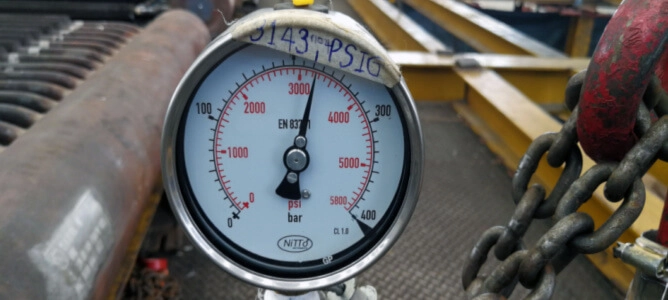
A hydrostatic test pressurizes a boiler or pressure vessel with water to verify the pressure boundary is sound and leak-tight. It helps confirm the integrity of welds, joints, and components after certain repairs or maintenance events. Because the system is filled with water (a low-compressibility fluid), the test is safer than pressurizing with gas—when executed correctly and under proper supervision.
For a clear breakdown of repair certification language tied to this work, reference ASME R-Stamp vs S-Stamp in Oklahoma.
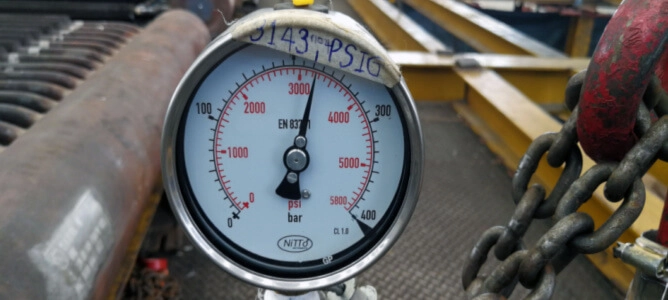
Photo credit: nigen.com
What a hydrostatic test does and does not prove
Hydrostatic testing is sometimes misunderstood as a “full health check.” It’s not. It’s a pressure boundary test.
| Test Capability | Does Prove | Does NOT Prove |
|---|---|---|
| Pressure boundary integrity | Yes | - |
| Leak detection under pressure | Yes | - |
| Weld and joint quality (gross defects) | Yes | - |
| Combustion system safety | - | No |
| Controls and safety calibration | - | No |
| Efficiency optimization | - | No |
| Long-term reliability | - | No |
It does prove
- The pressure boundary can hold a specified test pressure without leakage
- Certain defects (leaks, gross weaknesses) are revealed under pressure
- Repairs on the pressure boundary were executed correctly (when paired with proper inspection)
It does not prove
- Combustion is correct or safe
- Controls and safeties are properly calibrated
- Efficiency is optimized
- The boiler will run reliably under all operating conditions
Hydrostatic testing should be part of a broader boiler safety and maintenance program—not the only step.
That broader prep workflow is covered in our Oklahoma boiler inspection requirements guide.
When hydrostatic testing is typically required
Hydrostatic testing is often required or recommended when:
| Trigger Event | Testing Requirement | Typical Scope |
|---|---|---|
| Pressure boundary repairs | Usually required | Repaired area plus connected sections |
| Weld repairs or tube replacement | Required | Full vessel or section |
| New equipment commissioning | Required | Complete system |
| Post-inspection follow-up | As directed by inspector | Specified scope |
| Major component replacement | Depends on scope | As determined by code/inspector |
| Safety valve or connection changes | Sometimes required | Affected sections |
- pressure boundary repairs are made (weld repairs, tube replacement, major joint work)
- certain components are replaced (depending on scope and code)
- new equipment is commissioned
- an inspection or authority requires verification after work
Because requirements can vary by equipment type and situation, the safest approach is to treat hydrostatic testing as a planned event coordinated with your inspection and repair scope.
How test pressure is determined (high-level overview)
Test pressure is generally based on equipment ratings and code requirements. The exact value depends on:
- the vessel’s maximum allowable working pressure (MAWP)
- the scope of work performed
- inspection requirements and applicable code guidance
| Pressure Determination Factor | Influence on Test Pressure |
|---|---|
| Maximum Allowable Working Pressure (MAWP) | Primary basis for test pressure |
| Code requirements (ASME, National Board) | Specifies multiplier or minimum |
| Scope of repair work | May affect test pressure requirements |
| Inspector requirements | Final authority on test parameters |
Because setting test pressure incorrectly can create risk, this is not a “rule-of-thumb” step—test pressure should be determined and verified by qualified personnel.
Pre-test preparation checklist (what makes tests fail)
Most hydrostatic test problems are not “mysterious.” They’re preparation failures. Here’s what we recommend verifying before test day.
| Preparation Step | Purpose | Common Failure If Skipped |
|---|---|---|
| Define test boundary | Know exactly what’s being tested | Unintended pressurization of other equipment |
| Protect non-test components | Prevent damage to relief valves, instruments | Equipment damage, test failure |
| Vent air properly | Ensure accurate pressure readings | Inconsistent readings, false failures |
| Verify gauge accuracy | Reliable pressure measurement | Incorrect test pressure applied |
| Plan drainage and cleanup | Safe post-test restoration | Water damage, freeze risk |
1) Define the test boundary clearly
- What exactly is being tested: boiler only, boiler + piping, or a specific section?
- Where are the isolation points?
- Are there any bypasses that will unintentionally pressurize other equipment?
2) Protect components that should not see test pressure
Many components are not meant to be pressurized to test levels:
- pressure relief valves (may need to be removed or isolated per procedure)
- sensitive instruments and controls
- certain gaskets and accessories depending on rating
This is a key planning step; “we’ll figure it out on the day” often causes delays.
3) Vent air properly
Air pockets make hydro tests harder to control and can cause misleading results. Ensure:
- high points are vented
- the system is filled slowly and deliberately
- venting continues during fill until stable
4) Verify gauge accuracy and placement
- Use calibrated gauges appropriate for the pressure range
- Place gauges where they represent test boundary pressure accurately
5) Plan drainage and cleanup
After the test you’ll need to:
- drain safely without creating water damage
- restore normal system configuration
- confirm no trapped water remains where it can freeze (Oklahoma winter reality)
How the hydrostatic test is executed (safe, practical sequence)
While exact procedures vary, a safe approach typically includes:
| Step | Action | Key Considerations |
|---|---|---|
| 1 | Confirm isolation and protection | Verify all non-test components protected |
| 2 | Fill with water while venting air | Slow fill, continuous venting at high points |
| 3 | Raise pressure in controlled increments | Monitor gauges, watch for leaks |
| 4 | Hold at specified pressure | Required duration per code/inspector |
| 5 | Inspect for leaks and deformation | Visual inspection of all accessible areas |
| 6 | Document results | Record pressure, duration, findings |
| 7 | Depressurize safely and restore system | Controlled release, drain, reconfigure |
- Confirm isolation and protection of non-test components
- Fill with water while venting air
- Raise pressure in controlled increments
- Hold at specified pressure for the required duration
- Inspect for leaks and any deformation concerns
- Document results
- Depressurize safely and restore system
If leaks occur, the correct response is not “crank harder.” It’s to identify, repair, and retest per procedure.
Common failure points we see during hydrostatic testing
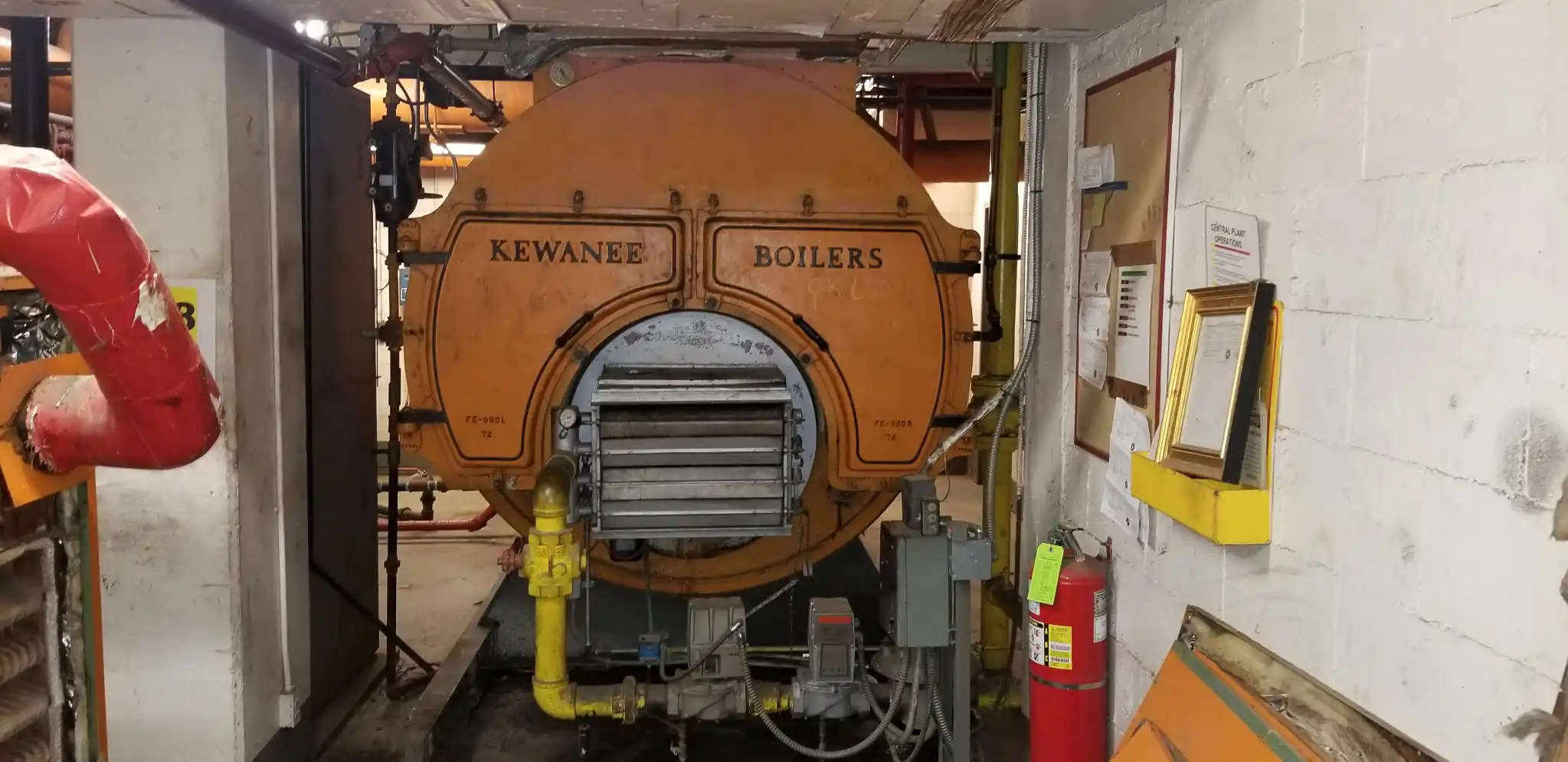
The pressure boundary will reveal weak links. Common leak points include:
| Failure Location | Why It Fails | Prevention Strategy |
|---|---|---|
| Gaskets and flanges | Age, compression loss, corrosion | Inspect and replace before test if questionable |
| Valve packing | Wear, thermal cycling damage | Repack valves during maintenance |
| Tube-to-tube sheet joints | Corrosion, expansion stress | Water treatment, regular inspection |
| Threaded connections | Loosening over time, corrosion | Inspect and retape/reseal if needed |
| Previous repair areas | Incomplete original repair | Thorough repair procedures |
- gaskets and flanges (especially older systems)
- valve packing
- tube-to-tube sheet joints (depending on equipment)
- threaded connections that were previously “good enough”
Finding these during a planned test is far better than finding them during an unplanned operating event.
Typical Repair Cost
Saved $12,500 USD
Documentation: what you should expect when the test is done
A professional hydrostatic test should include documentation that answers:
| Documentation Element | What It Should Include |
|---|---|
| Equipment identification | Model, serial, location, ratings |
| Test pressure | Value and basis for determination |
| Test date and personnel | Who conducted and witnessed |
| Hold duration | Time at pressure, any pressure loss |
| Results | Pass/fail, leak locations if any |
| Repairs and retest | If applicable, repair description and retest results |
| Signatures | Responsible parties, inspector if applicable |
- What equipment was tested (ID, location, ratings)
- What the test pressure was and how it was determined
- Test date/time and personnel involved
- Duration of hold and results
- Any repairs performed and retest outcomes
If your facility is subject to inspection or compliance requirements, good documentation is part of risk management.
Oklahoma-specific considerations
Two practical Oklahoma notes:
| Consideration | Impact | Planning Action |
|---|---|---|
| Winter freeze risk | Trapped water can freeze and damage equipment | Verify complete drainage, check dead legs |
| Seasonal scheduling | Don’t schedule during peak heating demand | Plan for fall or spring testing windows |
| Storm weather | Can delay access and complicate outdoor work | Build schedule flexibility |
- Winter freeze risk: After testing and draining, confirm no water is trapped in lines or dead legs that can freeze.
- Seasonal scheduling: Don’t push major hydro testing into the first hard freeze week when heat demand is critical; plan ahead.
When to call for professional boiler service
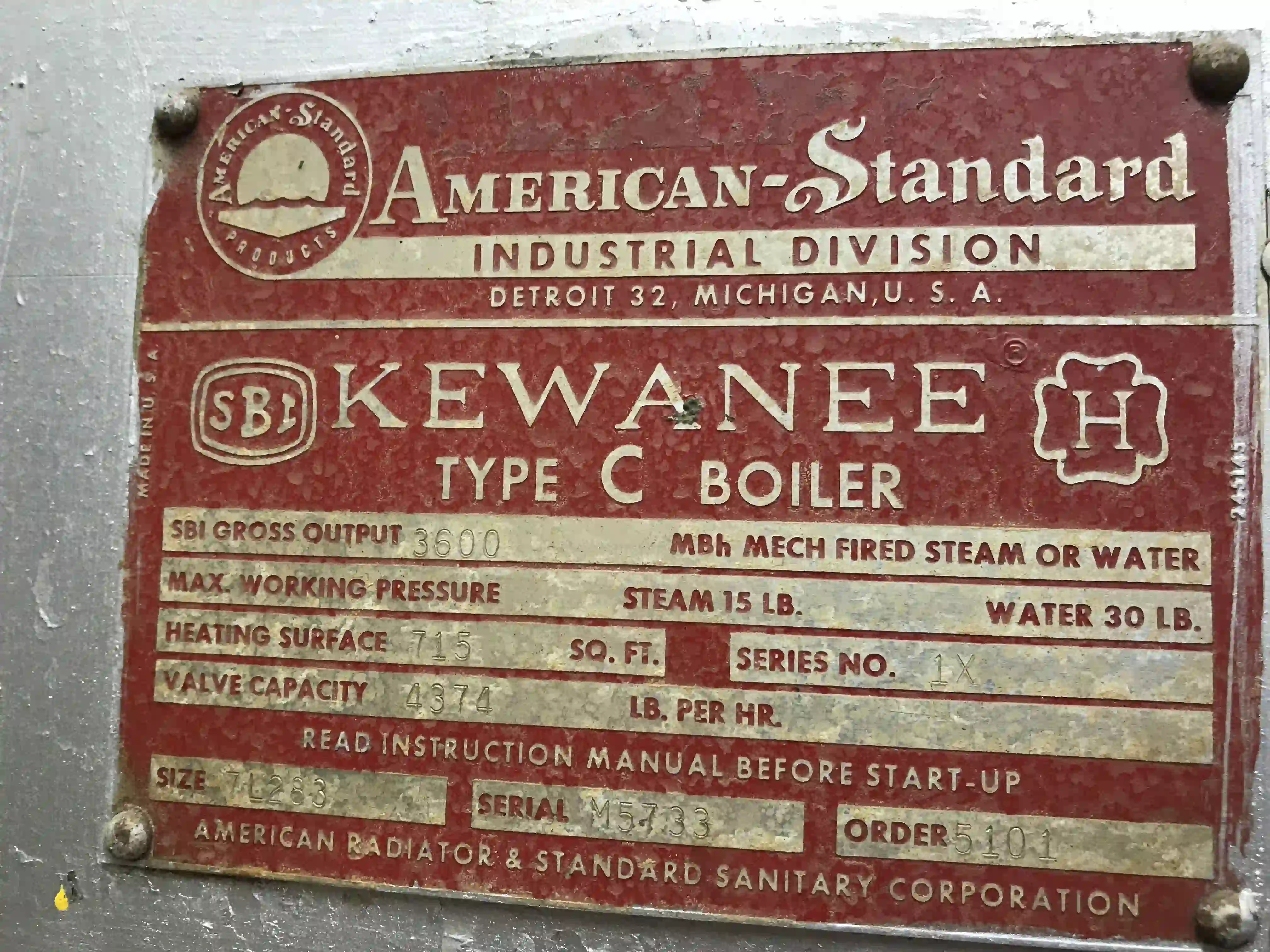
Hydrostatic testing should be performed by qualified professionals who understand:
- boiler code and inspection requirements
- safe isolation and test boundaries
- how to protect equipment during testing
- how to document results properly
| Service Trigger | Why Professional Help Needed |
|---|---|
| Any pressure boundary repair | Code compliance, proper procedure |
| Inspection-required testing | Documentation and witness requirements |
| Equipment over 15 years old | Higher risk of issues, experience needed |
| Previous test failures | Root cause diagnosis |
| Multiple vessel testing | Coordination and efficiency |
If you’re planning repairs or inspection-driven work, involve your contractor early so hydro testing is built into the schedule—not a surprise add-on.
For year-round prevention between tests, use this industrial boiler maintenance schedule for Oklahoma facilities.
Need hydrostatic testing support in Oklahoma?
Total Mechanical Services supports commercial boiler inspection prep, repair coordination, and hydrostatic testing planning across Oklahoma. Call (405) 223-9900 or request a proposal.
Disclaimer: This guide is informational. Hydrostatic testing involves pressurizing pressure-retaining equipment and must be performed using proper procedures, qualified personnel, and applicable code guidance. Always follow OEM and inspection requirements.
Related Resources
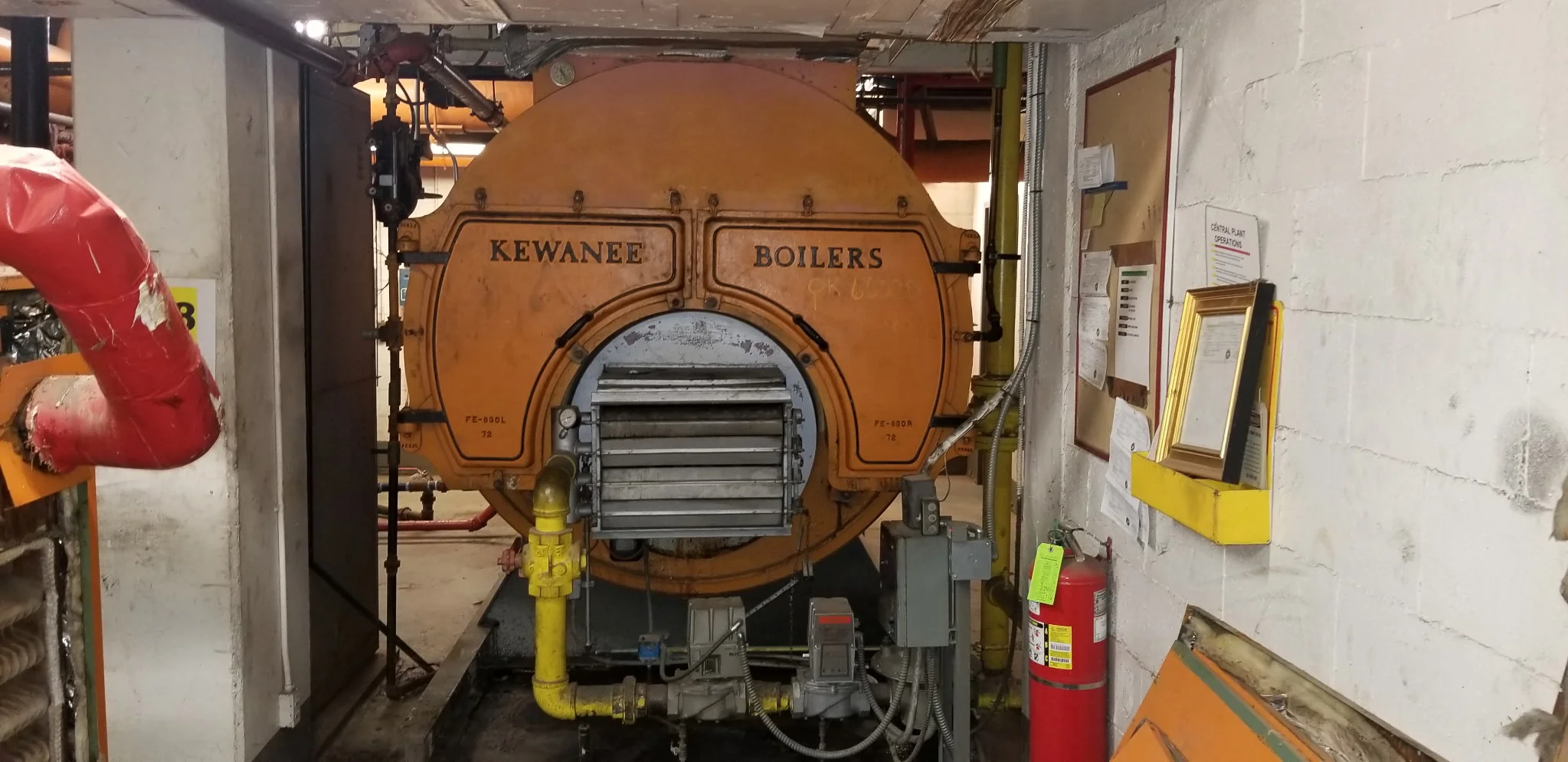
Oklahoma Boiler Inspection Requirements: What Facilities Need to Know (and How to Pass)
A practical overview of Oklahoma boiler inspection requirements: how facilities prepare, what inspectors commonly flag, and how to avoid delays, rework, and shutdown risk.
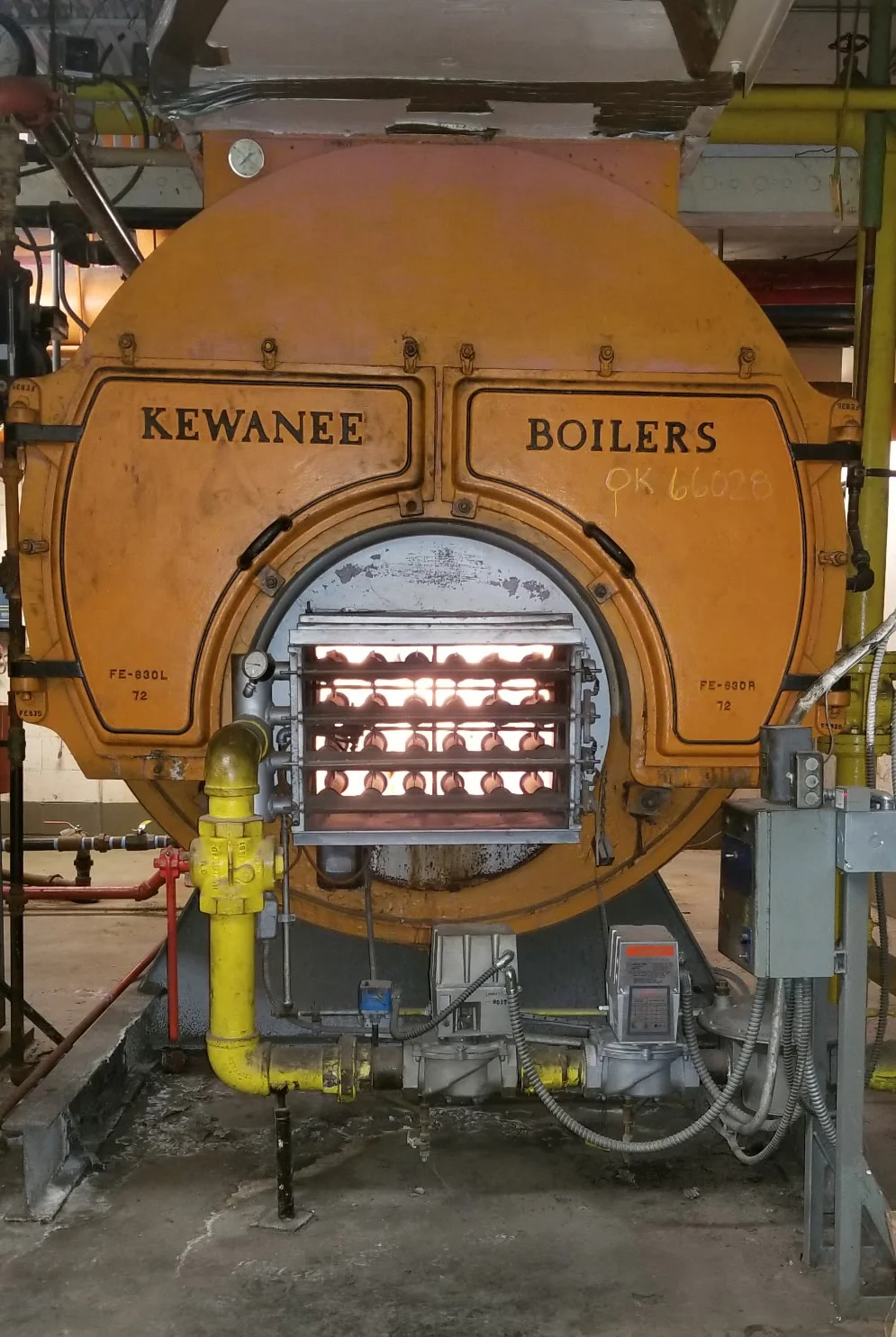
Industrial Boiler Preventative Maintenance Schedule (Oklahoma): Daily, Weekly, Monthly, Annual
A practical preventative maintenance schedule for industrial boilers in Oklahoma—operator checks, safety device testing, combustion tune-ups, water chemistry, and annual outages.
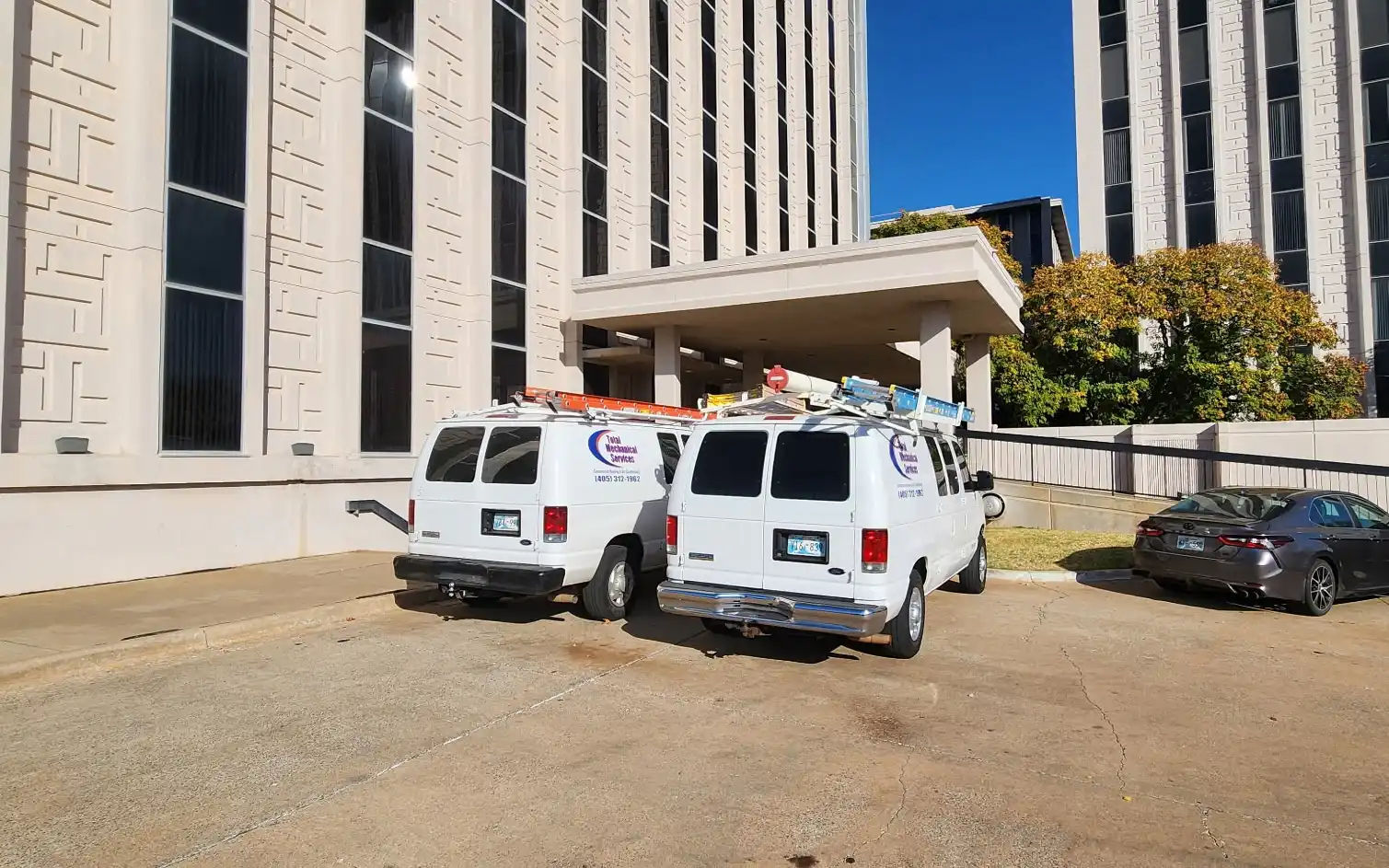
24/7 Emergency HVAC Response in Oklahoma: What to Do in the First 60 Minutes
A practical, Oklahoma-specific emergency HVAC response playbook for facility teams: triage steps, what info to gather, expected timelines, and when to deploy backup cooling.
Need Help with Your System?
Our expert team is ready to assist with design, installation, maintenance, and troubleshooting.