Commercial Boiler Emergency Troubleshooting (Oklahoma): Shutdowns, Low Water, and Safety Trips
A safety-first emergency guide for commercial boiler shutdowns in Oklahoma—what to check, what not to touch, and when to evacuate and call for immediate service.
Commercial Boiler Emergency Troubleshooting (Oklahoma): Shutdowns, Low Water, and Safety Trips
If your commercial boiler shuts down unexpectedly, the priority is safety first, then protecting the pressure vessel and the building, and finally restoring heat/steam as quickly as possible. In Oklahoma, winter cold snaps and ice storms can drive emergency calls, but many shutdowns are triggered by predictable causes like low water cutoffs, flame safeguard trips, failed safeties, or water chemistry problems. This guide explains what you can safely verify as a facility team, what you should never “override,” and when you need immediate professional service.
Step 1: Confirm the situation and protect people
Before troubleshooting, decide whether you have a hazard:
| Hazard Condition | Immediate Action |
|---|---|
| Gas odor or suspected gas leak | Evacuate area, follow site emergency protocol |
| Active water spray or steam release | Treat as urgent, call immediately |
| Relief valve lifting continuously | Treat as urgent, call immediately |
| Fire, smoke, or electrical arcing | Isolate safely, call immediately |
| Boiler serves hospital, long-term care, or critical process | Start contingency plan, notify leadership |
Step 2: What not to do (this prevents disasters)
In emergency situations, people get tempted to “get heat back” at all costs. These are the moves that create major incidents:
| Never Do This | Why It’s Dangerous |
|---|---|
| Bypass or jumper a low-water cutoff (LWCO) | Risk of dry fire and catastrophic vessel failure |
| Reset repeatedly without identifying cause | Masks real problems, damages equipment |
| Disable the flame safeguard | Fire and explosion hazard |
| Crank up pressure setpoint to “push heat” | Overpressure risk, safety valve failure |
| Attempt burner adjustments without instruments | Incomplete combustion, CO poisoning risk |
Boilers are forgiving—until they’re not. The safety devices are there because the failure modes are severe.
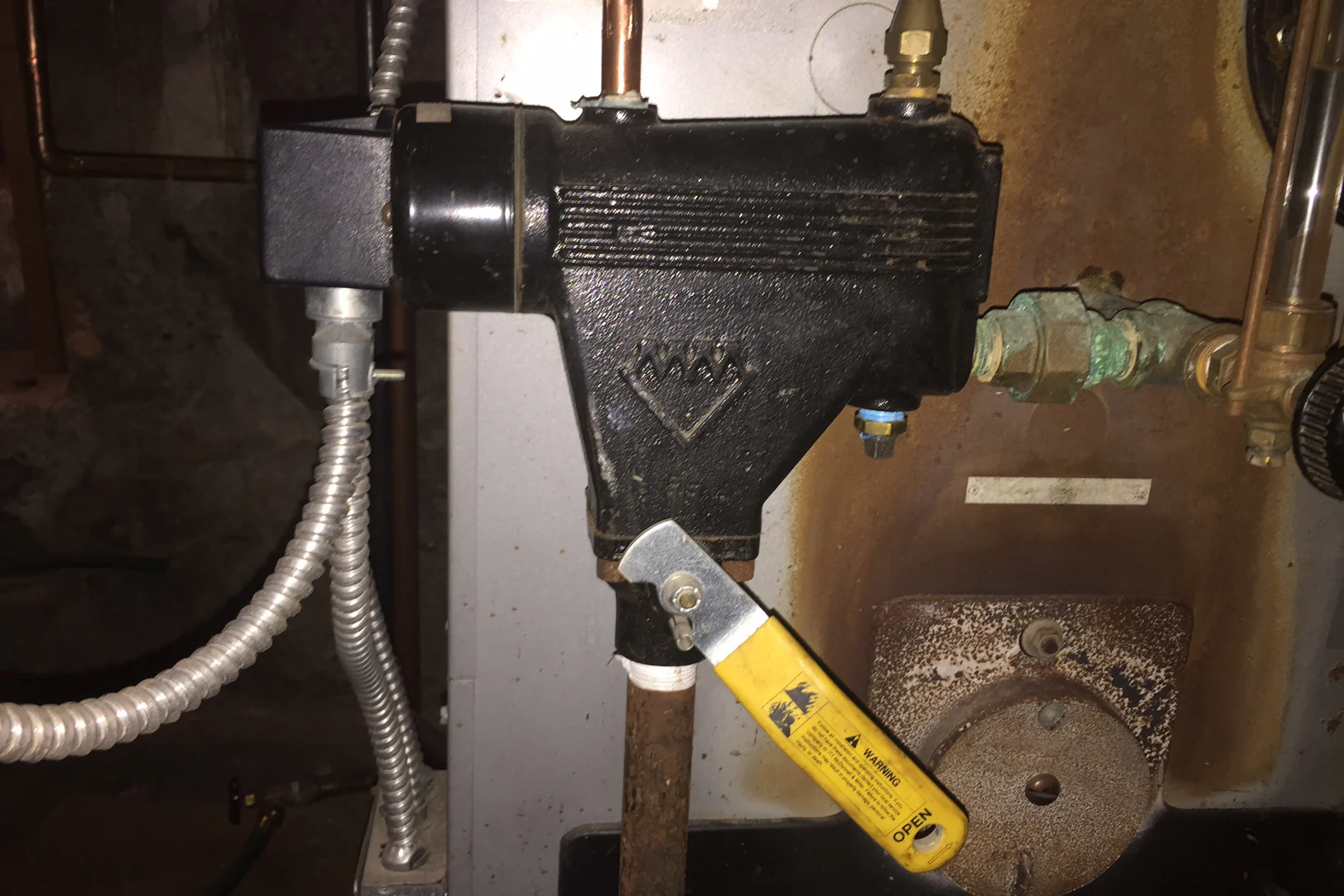
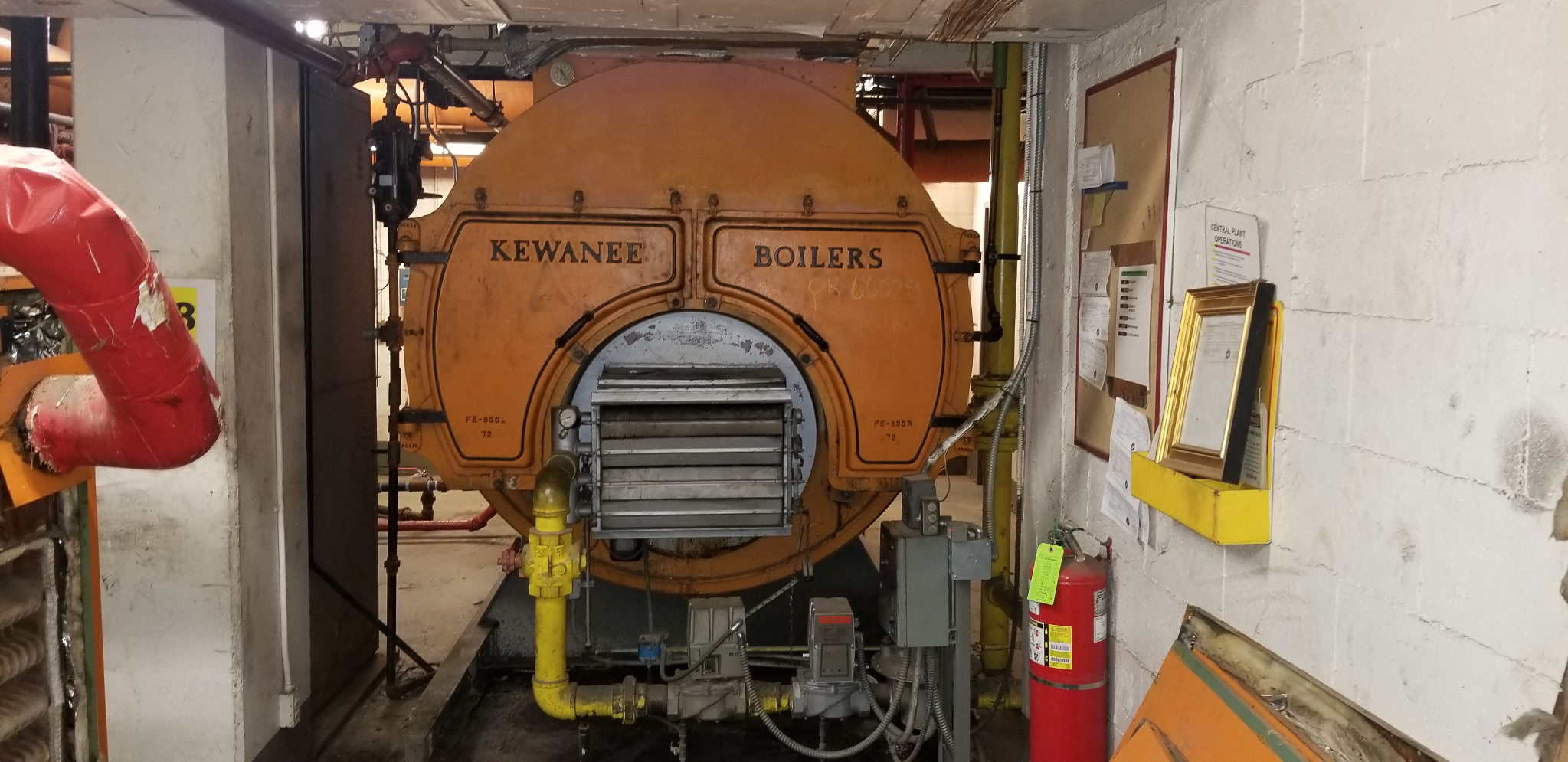
Photo credit: libertysupply.com
Step 3: Identify what type of boiler system you’re dealing with
Your system type changes what “normal” looks like:
| System Type | Key Characteristics | Common Concerns |
|---|---|---|
| Hot water boiler | Closed loop, circulating pumps | Flow, temperature control |
| Steam boiler | Open system, feedwater makeup | Water level, blowdown, condensate return |
| Low-pressure (under 15 psi) | Less severe failure modes | Still requires proper safety protocols |
| High-pressure (over 15 psi) | Licensed operator may be required | More stringent inspection requirements |
| Single boiler | No redundancy | Any failure impacts entire building |
| Lead/lag multi-boiler plant | Built-in redundancy | Sequencing and staging issues |
Typical OEMs in the field: Burnham, Ajax, Cleaver-Brooks (and others)
If you’re not sure, you can still proceed with the safe checks below.
Emergency scenarios and what they usually mean
Emergency Scenario Quick Reference
| Scenario | Most Common Cause | Safe to Check | When to Call |
|---|---|---|---|
| Completely off / no power | Electrical issue, E-stop, safety chain | Breaker, E-stop, power events | Same-day; immediate in freezing weather |
| Power but won’t fire | Gas supply, ignition failure, combustion air | Gas valves open, other appliances, intake/exhaust | Same-day; immediate if repeated lockouts |
| Low water cutoff trip | Feedwater issue, makeup valve, leaks | Pumps, makeup water, visible leaks | Immediate if can’t restore safely |
| High pressure trip (steam) | Pressure control failure, load drop | Setpoints, downstream loads | Immediate; do not keep resetting |
| High temperature trip (hot water) | Flow issue, sensor failure | Circulation pumps, valves | Same-day; immediate in freezing weather |
| Short cycling | Oversized for load, control issue | Sequencing, outdoor reset logic | Schedule soon; emergency if heat loss |
Scenario A: Boiler is completely off / no lights / no control power
What it often indicates:
- Upstream electrical issue (breaker trip, blown fuse)
- Control transformer issue
- E-stop engaged
- Safety chain open
Safe checks (facility-side):
- Confirm the boiler has power at the disconnect (qualified personnel only)
- Check if an emergency stop or safety interlock is engaged
- Check building power events or generator test logs
When to call: Same-day; immediate if the building is losing heat in freezing weather.
Scenario B: Boiler has power but won’t fire (flame failure / ignition lockout)
What it often indicates:
- Gas supply issue (valve closed, low pressure)
- Ignition failure or flame signal issues
- Dirty burner components
- Combustion air issues
Safe checks (facility-side):
- Confirm gas supply valves are open (do not force anything)
- Check if other gas appliances in the building are functioning
- Look for obvious intake/exhaust obstructions (especially after ice storms)
When to call: Same-day; immediate if repeated lockouts occur.
Scenario C: Low water cutoff trip (LWCO) / “low water” alarm
What it often indicates:
- Feedwater issue (pump failure, control problem)
- Makeup water valve issue
- Blowdown practices or leaks affecting level
- In steam systems: condensate return problems
Safe checks (facility-side):
- Verify feedwater or system pumps are running and not in fault
- Confirm makeup water supply is available
- Look for obvious leaks in mechanical room or near piping runs
| LWCO Warning Signs | What It Means |
|---|---|
| Sight glass shows low or no water | Verify with multiple indicators before adding water |
| Repeated LWCO trips | System leak or feedwater problem |
| Suspected dry fire | DO NOT add cold water—thermal shock risk |
Critical warning: If you suspect the boiler ran dry, do not add cold water to a hot boiler. This can cause severe thermal shock and vessel damage. Call for qualified service.
When to call: Immediate if you can’t restore water level safely or if this is a repeated trip.
Scenario D: High pressure trip / safety valve lifting (steam)
What it often indicates:
- Pressure control failure
- Operating control set too high or stuck
- Load dropped suddenly (e.g., steam demand decreased)
- Fault in modulation/controls
Safe checks (facility-side):
- Confirm setpoints haven’t been changed in BAS or local controller
- Verify that downstream steam loads are normal (no isolation closed unexpectedly)
When to call: Immediate; do not keep resetting.
Scenario E: High temperature trip (hot water)
What it often indicates:
- Flow issue (pump off, valve closed)
- Sensor failure
- Controls/sequence problem
Safe checks (facility-side):
- Confirm circulation pumps are running
- Check if valves are open
- Verify normal differential temperature across the loop (if you trend it)
When to call: Same-day; immediate in freezing weather or critical occupancy.
Scenario F: “Boiler short cycling” (starts and stops repeatedly)
What it often indicates:
- Oversized boiler relative to load
- Control tuning or staging problem
- Sensor or limit cycling (e.g., high limit, low limit)
Safe checks (facility-side):
- Confirm sequencing if multiple boilers exist
- Verify outdoor air reset logic (if used) isn’t overly aggressive
When to call: Schedule soon; emergency if it causes loss of heat or repeated lockouts.
Oklahoma-specific emergency drivers
These conditions make boiler problems more frequent in Oklahoma:
| Oklahoma Condition | Impact on Boilers |
|---|---|
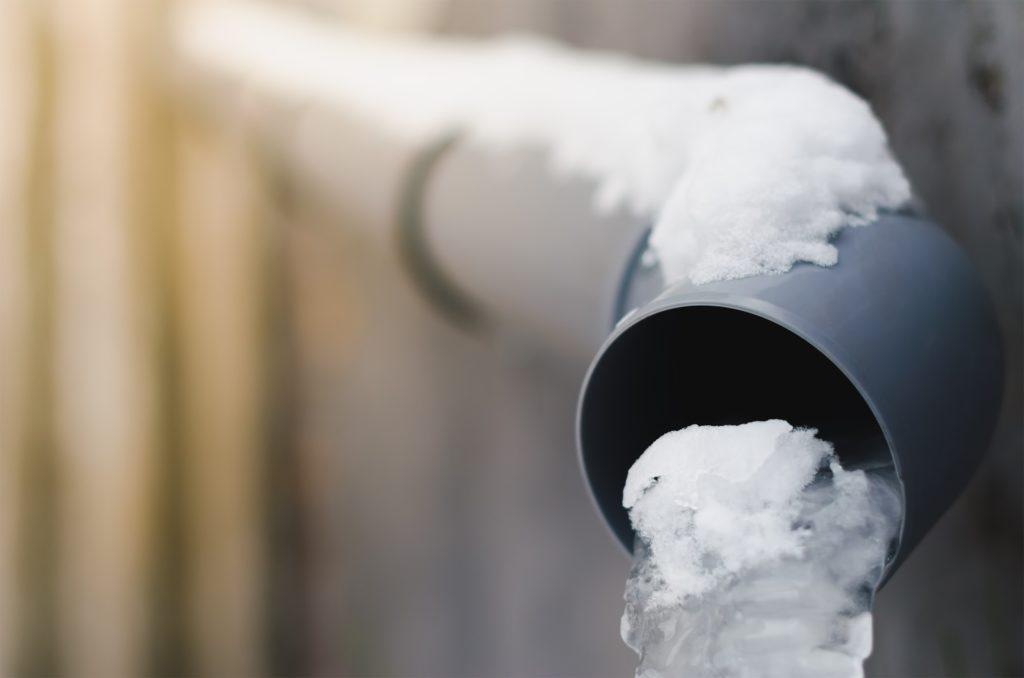
| Ice storms and freezing rain | Blocked intake/exhaust, frozen condensate drains, loss of power |
| Rapid temperature swings | Changeover issues and control instability |
| Hard water and chemistry drift | Scaling, sensor fouling, heat transfer loss |
| Deferred maintenance | Safety devices that aren’t tested “surprise” you during first cold snap |
Decision matrix: when to call and how urgent
| Condition | Risk level | Recommended response |
|---|---|---|
| Gas odor or suspected leak | Critical | Evacuate, follow emergency protocol, call immediately |
| Safety valve lifting or high pressure trip | High | Call immediately; do not keep resetting |
| LWCO trip or suspected dry fire | High | Call immediately; do not add cold water to a hot boiler |
| Flame failure lockout repeating | High | Call same-day / emergency dispatch |
| No heat during freezing conditions | High | Call immediately; protect building from freeze damage |
| Short cycling but heat is holding | Moderate | Schedule service to correct staging/controls |
Preventative steps that reduce winter emergencies
These practices prevent most mid-winter shutdowns:
| Preventative Measure | Frequency | What It Prevents |
|---|---|---|
| Test LWCO, safeties, and flame safeguard | Per manufacturer schedule (typically monthly) | Unexpected safety shutdowns |
| Verify combustion with calibrated instruments | Annually | Incomplete combustion, efficiency loss |
| Confirm freeze protection for exposed piping | Pre-winter | Frozen pipes and damage |
| Maintain water chemistry | Continuous (especially steam) | Scaling, corrosion, sensor fouling |
| Fall startup and tune | Before first cold snap | First-cold-day failures |
Need help restoring heat or steam?
Total Mechanical Services supports commercial boiler troubleshooting and emergency response across Oklahoma. Call (405) 223-9900 or request a proposal.
Disclaimer: This guide is informational and not a substitute for OEM procedures. Boiler troubleshooting involves fuel, high temperatures, pressure, and high-voltage systems. Safety devices must never be bypassed. When in doubt, shut down safely and call for qualified service.
Related Resources
Oklahoma Boiler Inspection Requirements: What Facilities Need to Know (and How to Pass)
A practical overview of Oklahoma boiler inspection requirements: how facilities prepare, what inspectors commonly flag, and how to avoid delays, rework, and shutdown risk.
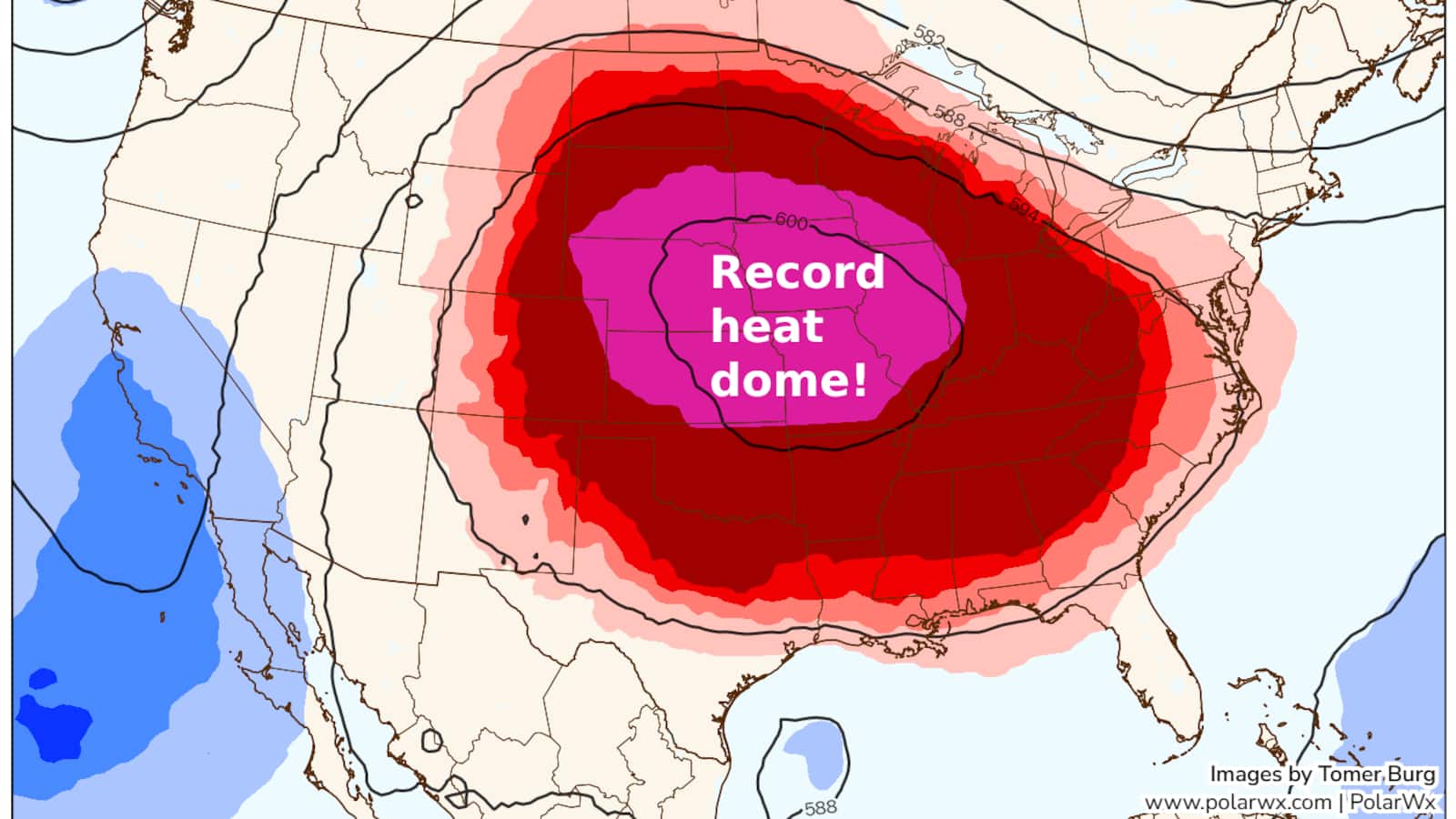
Protecting Commercial HVAC From Oklahoma Heat Domes: High-Ambient Strategy, Coil Cleaning, and Load Management
A practical Oklahoma guide to surviving heat domes: high-ambient chiller/RTU performance, coil cleaning cadence, tower readiness, demand management, and emergency cooling planning.
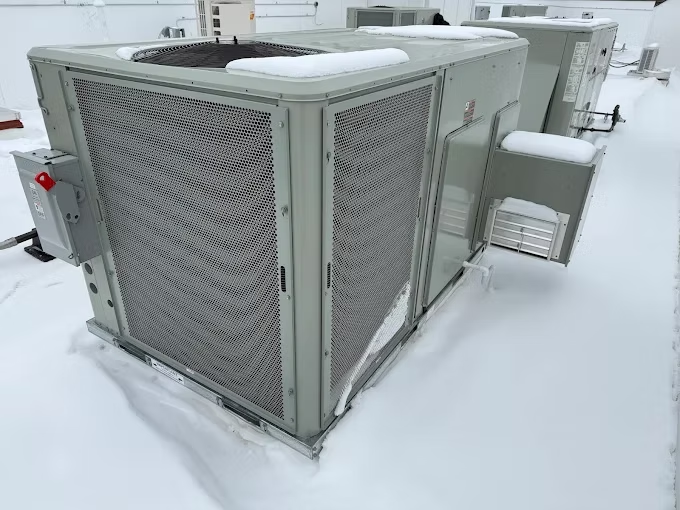
RTU Winterization Checklist for Oklahoma Ice Storms: Freeze Protection, Hail Risk, and Start-Up
A practical rooftop unit winterization checklist for Oklahoma facilities: freeze protection, condensate and economizer checks, hail prep, and post-storm start-up steps.
Need Help with Your System?
Our expert team is ready to assist with design, installation, maintenance, and troubleshooting.