Industrial Boiler Preventative Maintenance Schedule (Oklahoma): Daily, Weekly, Monthly, Annual
A practical preventative maintenance schedule for industrial boilers in Oklahoma—operator checks, safety device testing, combustion tune-ups, water chemistry, and annual outages.
Industrial Boiler Preventative Maintenance Schedule (Oklahoma): Daily, Weekly, Monthly, Annual
Industrial boilers rarely fail because of one dramatic oversight. They fail because small issues stack up: chemistry drift, safeties not tested, controls out of tune, and mechanical wear that no one caught early. In Oklahoma, the first cold snap tends to expose everything at once. A disciplined preventative maintenance (PM) schedule reduces shutdowns, improves efficiency, and protects the pressure vessel and combustion system—the two areas where mistakes become expensive fast.
Quick Answer: What is the “best” PM schedule for an industrial boiler?
The best boiler PM schedule is the one that is executed consistently. At minimum, that includes daily operator checks, weekly blowdown and safety verification activities, monthly inspection of combustion and water-side indicators, quarterly review of trends and control behavior, and an annual outage for deeper inspection, testing, and tuning. In Oklahoma, schedule the annual work before peak winter demand so you’re not forced into reactive repairs during freezing weather.
Preparing for heating season? TMS can coordinate commercial boiler startup, heating controls, and cooling-system winter preparation around your facility. Plan a winter changeover visit.
If your team is aligning PM with compliance prep, cross-reference our Oklahoma boiler inspection requirements checklist.
Why industrial boiler PM matters (in practical terms)
Boilers support more than comfort:
| Application | Criticality | Failure Impact |
|---|---|---|
| Process heat | Production-critical | Line shutdown, product loss |
| Sterilization | Safety/compliance critical | Regulatory issues, patient safety |
| Humidity control | Environment-critical | Product quality, patient comfort |
| Freeze protection | Building protection | Pipe damage, facility closure |
| Heating | Comfort/safety | Occupant complaints, liability |
A boiler failure is often a safety and operations event, not just a maintenance inconvenience.
Average Unplanned Outage Cost
Saved $36,500 USD
Foundation: safety devices are not optional
Before we talk about frequency, one rule matters:
Never bypass safeties to “keep running.”
| Safety Device | Failure Mode It Prevents | Testing Frequency |
|---|---|---|
| Low water cutoff (LWCO) | Dry fire, tube damage | Weekly blowdown test, annual service |
| High limit control | Overheating, over-pressure | Monthly verification, annual calibration |
| Safety/relief valve | Overpressure catastrophe | Annual inspection, per code |
| Flame safeguard | Unburned fuel accumulation | Annual functional test |
| High gas pressure switch | Excess fuel supply | Annual verification |
| Low gas pressure switch | Unstable combustion | Annual verification |
A PM schedule should prove safeties work before you need them.
When pressure-boundary repairs are involved, pair PM planning with boiler hydrostatic testing guidance and the certification checks in ASME R-Stamp vs S-Stamp.
Complete PM schedule overview
| Frequency | Focus Area | Approximate Time | Who |
|---|---|---|---|
| Daily | Operator rounds | 5-10 minutes | Trained operator |
| Weekly | Blowdown, basic inspection | 15-30 minutes | Trained operator |
| Monthly | Combustion/water-side indicators | 1-2 hours | Operator + supervision |
| Quarterly | Trend review, deeper inspection | 2-4 hours | Maintenance team |
| Annual | Full outage, testing, tuning | 1-3 days | Qualified technicians |
Daily operator checks (5–10 minutes that prevent disasters)
| Check | What to Look For | Log It |
|---|---|---|
| Operating pressure | Normal range, stable | Yes |
| Operating temperature | Normal range | Yes |
| Water level (steam) | Steady, appropriate | Yes |
| Pump operation | Running normally | Yes |
| Unusual sounds | Rumbling, banging, hissing | Yes |
| Vibration | Abnormal movement | Yes |
| Odors | Gas smell, combustion odor | Yes |
| Leaks | Water, steam, fuel | Yes |
| Alarm history | New or repeated alarms | Yes |
In Oklahoma, daily checks during cold snaps are where you catch problems early enough to avoid a shutdown.
Weekly tasks (consistency beats heroics)
| Task | Purpose | Documentation |
|---|---|---|
| Bottom blowdown | Remove sediment (per water treatment guidance) | Log date, duration |
| Water column blowdown | Verify water level controls | Log date |
| Water treatment check | Verify chemical levels | Log readings |
| Strainer inspection | Check for debris | Note condition |
| Pump amps/behavior | Detect developing issues | Log any anomalies |
| Combustion air path | Visual check for obstructions | Note condition |
| Exhaust/stack | Visual check for unusual conditions | Note condition |
If your weekly logs are inconsistent, your boiler program is effectively reactive.
Monthly inspections (where trends become visible)
| Inspection Area | Key Observations | Action Triggers |
|---|---|---|
| Combustion performance | Flame appearance, smoke, CO readings | Tune-up if abnormal |
| Burner components | Electrode wear, nozzle condition | Clean or replace as needed |
| Control sequences | Lead/lag staging, rotation | Adjust if unbalanced |
| Corrosion indicators | Rust, scale, discoloration | Water treatment review |
| Safety chain verification | All interlocks responding | Repair immediately if not |
| Refractory condition | Cracks, hot spots | Plan repair |
The goal is to catch drift—before drift becomes a lockout on the coldest day of the year.
Quarterly tasks (predictive maintenance layer)
| Task | Purpose | Outcome |
|---|---|---|
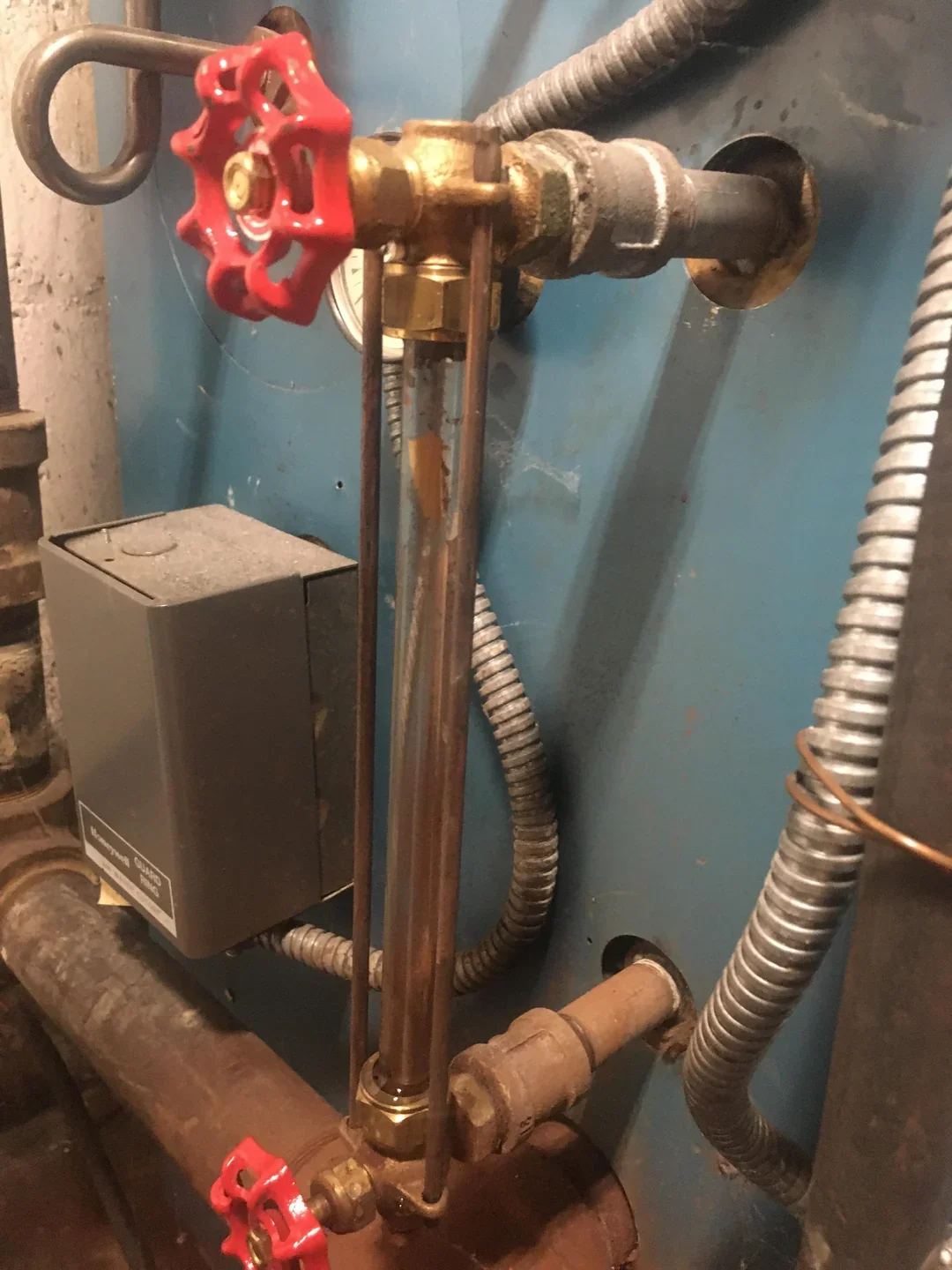
| Safety control deep-dive | Verify all safeties respond properly | Document test results |
| Trend log review | Identify patterns in alarms, runtime | Adjust PM focus |
| Refractory/door seal inspection | Prevent heat loss, safety issues | Schedule repairs |
| Pump curve verification | Confirm proper flow | Adjust impeller or VFD |
| VFD behavior review | Optimize modulation | Tune parameters |
| Piping inspection | Check for leaks, insulation damage | Repair as needed |
Quarterly review is where you decide whether annual scope needs to be larger than usual.
Annual outage scope (the “reset” that protects the season)
| Annual Task | Description | Deliverable |
|---|---|---|
| Full combustion analysis | O2, CO, stack temp, efficiency calc | Tuning report |
| Burner service | Clean, adjust, replace worn parts | Service record |
| Safety device testing | LWCO, high limit, relief valve | Test documentation |
| Pressure boundary inspection | Visual, NDE where applicable | Inspection report |
| Water-side cleaning | Descale, inspect tubes | Condition assessment |
| Controls verification | All setpoints, sequences | Updated documentation |
| Compliance documentation | Permits, jurisdictional requirements | Current records |
| Annual Timing Consideration | Recommendation |
|---|---|
| Oklahoma winter peak | November-February |
| Best annual outage window | September-October |
| Alternative window | March-April (post-season) |
For Oklahoma facilities, schedule annual work before winter peak demand whenever possible.
If annual findings suggest recurring end-of-life risk, use our industrial boiler replacement cost estimation guide to plan the capital path early.
Boiler Operating Efficiency (%)
Increased by 14 %
Water treatment: the schedule is only as good as the chemistry program
Water treatment is not “set and forget.” Poor chemistry drives:
| Water Problem | Consequence | Prevention |
|---|---|---|
| Scale buildup | Reduced heat transfer, hotspots | Proper softening, internal treatment |
| Corrosion | Tube failure, leaks | Oxygen scavenger, pH control |
| Carryover (steam) | Process contamination | Proper blowdown, water quality |
| Sensor fouling | False readings, nuisance trips | Regular cleaning, proper chemistry |
| Water Treatment Task | Frequency | Responsible Party |
|---|---|---|
| Chemical level testing | Daily to weekly | Operator |
| Chemical dosing adjustment | As needed | Water treatment provider |
| Blowdown (surface/bottom) | Per provider guidance | Operator |
| Comprehensive water analysis | Monthly to quarterly | Water treatment provider |
| Softener/RO maintenance | Per manufacturer | Service technician |
Common mistakes we see (and how to avoid them)
| Mistake | Consequence | Prevention |
|---|---|---|
| Safeties assumed “good” | Undetected failure when needed | Test per schedule |
| Inconsistent blowdown | Scale, efficiency loss | Follow documented procedure |
| Combustion tuning skipped | 5-15% efficiency loss | Schedule annual tune-up |
| Control sequences never reviewed | Staging issues, uneven wear | Quarterly review |
| Annual outage delayed | Emergency failure during peak | Plan early, execute on schedule |
Oklahoma-specific planning notes
| Oklahoma Factor | Impact | Planning Action |
|---|---|---|
| Cold snaps and ice storms | High heating demand spikes | Ensure redundancy, test before winter |
| Rural facility locations | Longer emergency response times | Stock critical spares |
| After-hours staffing | Night team may be limited | Clear escalation rules, simple procedures |
| Natural gas reliability | Generally good, occasional supply issues | Know gas supplier contact |
| Ice storm power outages | Restart complications | Documented restart procedures |
When to call for professional service
| Situation | Why Professional Help |
|---|---|
| Repeated lockouts or nuisance trips | Systematic diagnosis required |
| Combustion unstable or efficiency drifting | Combustion analysis expertise |
| Suspected low water or safety chain issues | Safety-critical diagnosis |
| Inspection-driven work or hydro testing | Qualified technician, proper equipment |
| New boiler startup or recommissioning | Manufacturer protocols |
Need a preventative maintenance program for boilers in Oklahoma?
Total Mechanical Services supports industrial and commercial boiler PM programs and emergency response across Oklahoma. Call (405) 223-9900 or request a proposal.
Disclaimer: This schedule is informational and must be adapted to your boiler type, OEM requirements, site policies, and applicable codes. Boiler work involves combustion, pressure, and high-voltage systems and must be performed by qualified personnel.
Related Resources
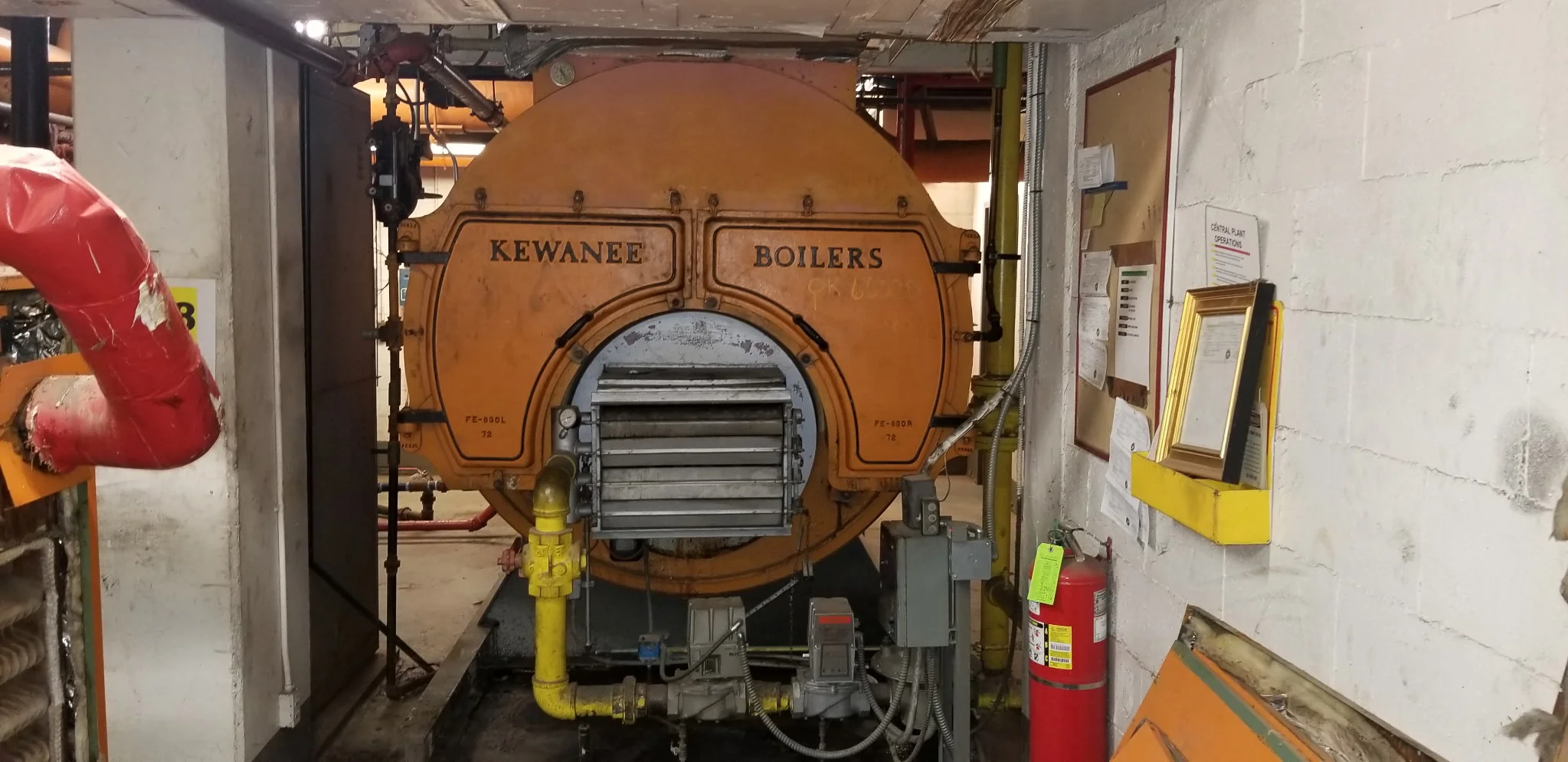
Oklahoma Boiler Inspection Requirements: What Facilities Need to Know (and How to Pass)
A practical overview of Oklahoma boiler inspection requirements: how facilities prepare, what inspectors commonly flag, and how to avoid delays, rework, and shutdown risk.
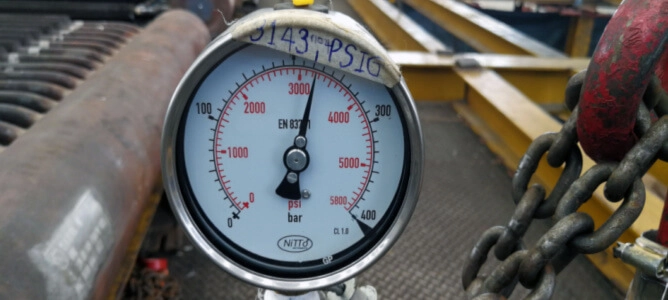
Boiler Hydrostatic Testing in Oklahoma: What It Proves, When It's Required, and How to Prepare
A practical guide for Oklahoma facilities on boiler hydrostatic testing: what the test verifies, how to prepare safely, documentation expectations, and common failure points.
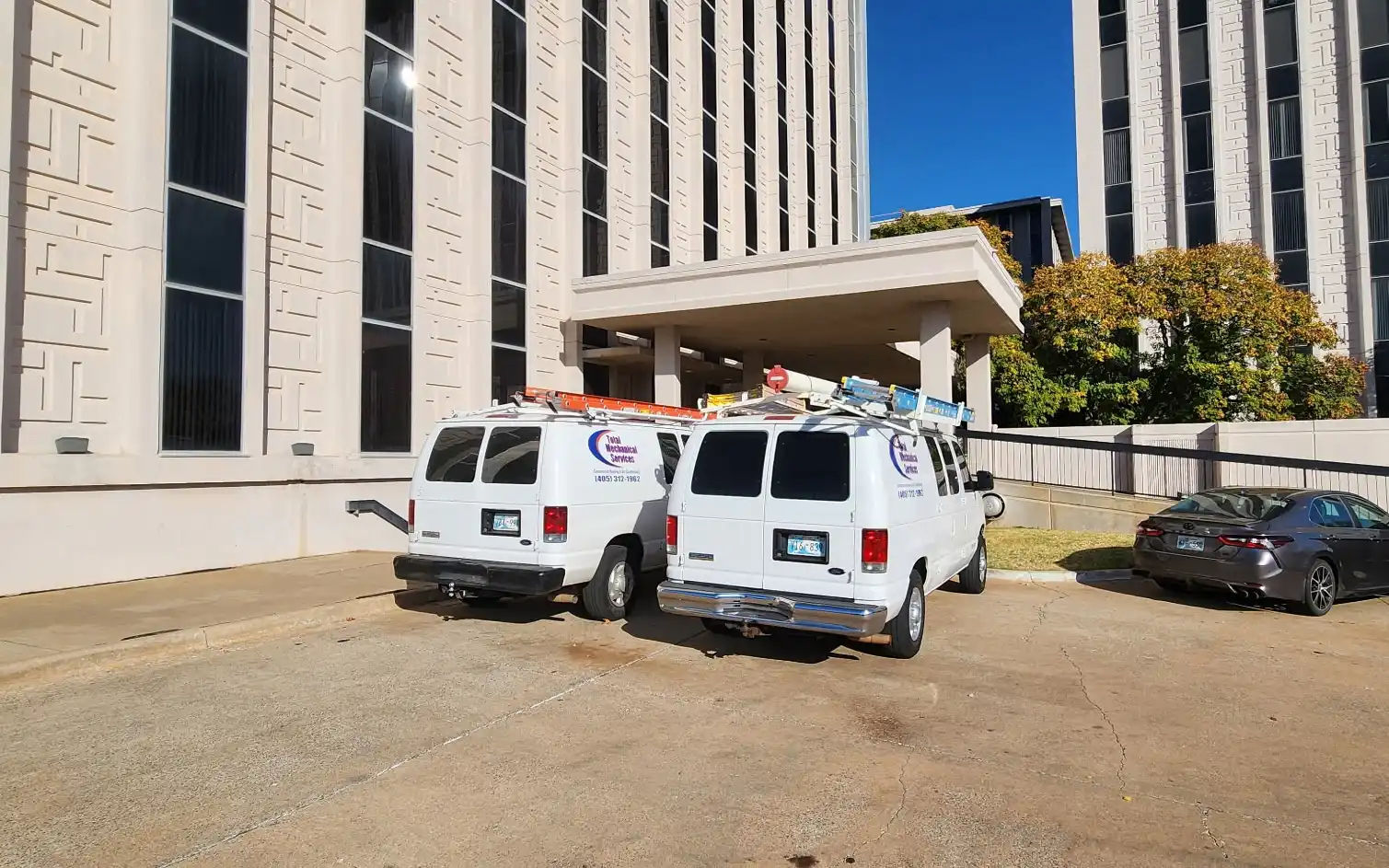
24/7 Emergency HVAC Response in Oklahoma: What to Do in the First 60 Minutes
A practical, Oklahoma-specific emergency HVAC response playbook for facility teams: triage steps, what info to gather, expected timelines, and when to deploy backup cooling.
Need Help with Your System?
Our expert team is ready to assist with design, installation, maintenance, and troubleshooting.