Oklahoma Boiler Inspection Requirements: What Facilities Need to Know (and How to Pass)
A practical overview of Oklahoma boiler inspection requirements: how facilities prepare, what inspectors commonly flag, and how to avoid delays, rework, and shutdown risk.
Oklahoma Boiler Inspection Requirements: What Facilities Need to Know (and How to Pass)
Boiler inspections aren’t just a compliance box—they’re a reliability checkpoint. In Oklahoma, boiler and pressure equipment oversight can affect your schedule, your budget, and your risk posture. The facilities that pass inspections smoothly aren’t “lucky”; they plan ahead, keep documentation organized, and treat safety devices as non-negotiable. This guide is written for facility managers and procurement teams who want a practical way to prepare for inspection, avoid common failures, and reduce the chance of a winter shutdown.
Quick Answer: What should you do before a boiler inspection?
Before an inspection, make sure the boiler room is safe and accessible, documentation is organized (equipment identification, prior inspection notes, repair records), safety devices and controls have been maintained and tested per procedure, and the system is in an inspectable condition (clean enough to see issues, not actively leaking, with clear access to critical components). Most inspection problems come from poor prep, not “mysterious rules.”
For the recurring tasks that support this prep, use our industrial boiler maintenance schedule for Oklahoma.
Why inspections matter to operations (not just compliance)
Inspection findings often correlate with real failure risk:
- poor water chemistry → scaling/corrosion → tube failures and efficiency loss
- neglected safeties → nuisance trips or unsafe operation
- leaks and poor repairs → unplanned outages
- documentation gaps → delays and rework
If you run healthcare, industrial, or high-occupancy hospitality facilities, boiler downtime is rarely “inconvenient.” It can be a mission impact.
| Inspection Finding | Operational Risk | Potential Consequence |
|---|---|---|
| Poor water chemistry | Scaling and corrosion | Tube failures, 15-25% efficiency loss |
| Neglected safety devices | Unsafe operation or nuisance trips | Emergency shutdowns, liability exposure |
| Active leaks | Equipment damage | Unplanned outages, water damage |
| Documentation gaps | Compliance delays | Rework, re-inspection, schedule impact |
| Blocked access | Inspection failure | Delays, emergency prep costs |
Boiler classification: why “high-pressure vs low-pressure” matters
Inspection expectations can vary based on how equipment is classified. Most facility teams don’t need to memorize code language, but you do need to know:
- what type of boiler you have (steam vs hot water)
- the pressure and temperature ratings
- whether the unit is considered high-pressure or low-pressure in the relevant context
| Classification | Typical Pressure Rating | Common Applications | Inspection Considerations |
|---|---|---|---|
| High-pressure steam | Over 15 PSIG | Hospitals, industrial process, large campuses | More rigorous inspection scope, stricter documentation |
| Low-pressure steam | 15 PSIG or less | Heating applications, smaller facilities | Standard inspection requirements |
| High-temperature hot water | Over 160 PSI or 250°F | Large heating plants | Similar to high-pressure steam |
| Hot water heating | Under 160 PSI, under 250°F | Most commercial heating | Standard inspection scope |
That classification can drive:
- inspection frequency expectations
- documentation requirements
- repair and testing scope after certain work
When repair scope expands into pressure-boundary work, verify contractor fit using our ASME R-Stamp vs S-Stamp guide.
What inspectors typically care about (practical list)
Across real inspection events, the focus tends to land on:
1) Safety devices and controls
- low-water cutoff (LWCO) function (where applicable)
- pressure relief valve condition and appropriate installation
- operating controls and limits (pressure/temperature)
- flame safeguard behavior (for fuel-fired systems)
2) Pressure boundary condition
Inspectors want to identify:
- active leaks
- evidence of prior improper repairs
- corrosion indicators
- visible defects or deformation
3) Documentation and equipment identification
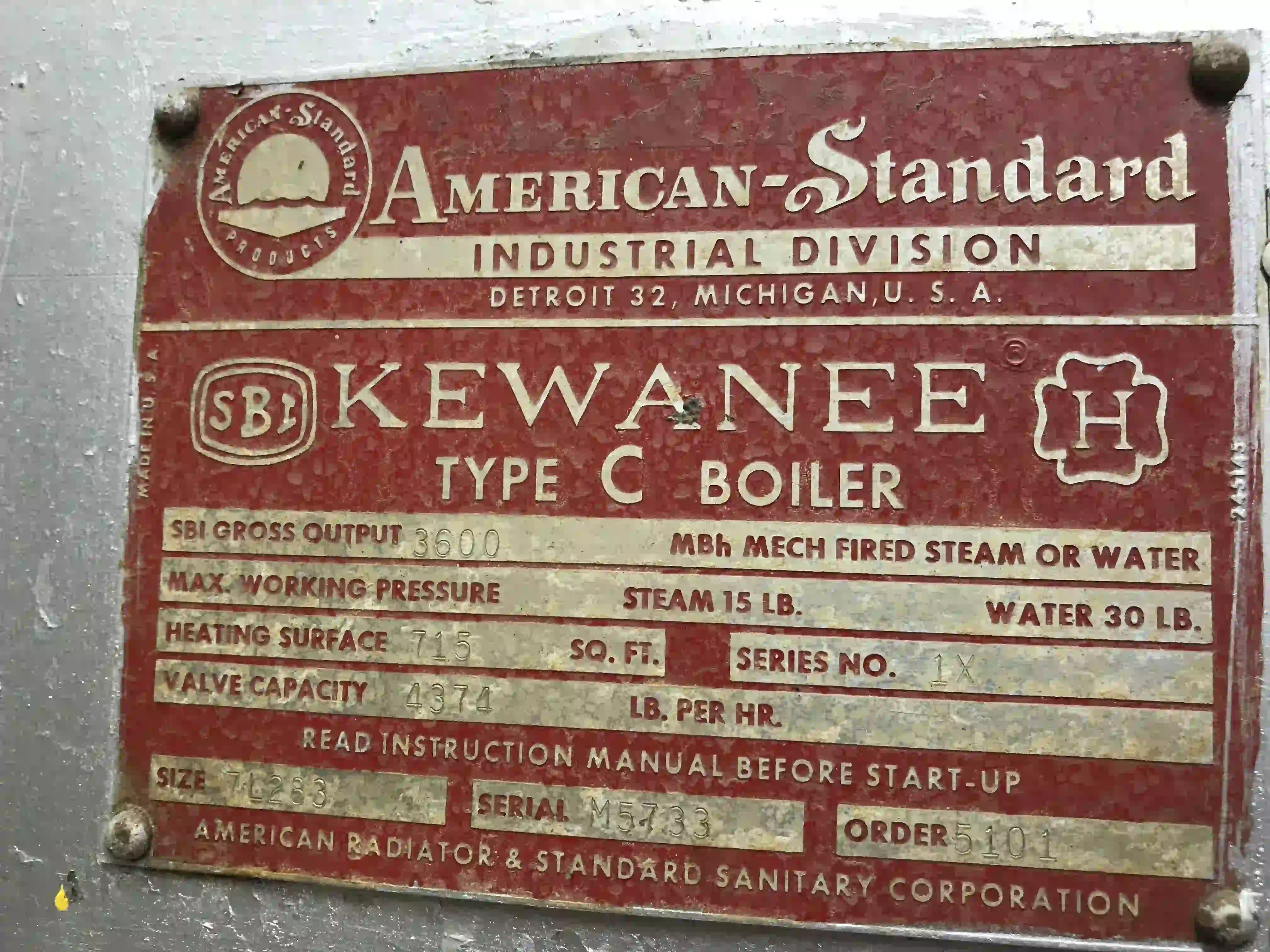
You should be able to produce:
- equipment identification and basic records
- prior inspection reports and corrective actions
- repair documentation where applicable
- maintenance logs (especially around safeties and combustion tuning)
4) Boiler room safety and accessibility
If the inspector can’t safely access what needs to be inspected, you may face delays. Practical items include:
- safe access and lighting
- clear space around the boiler
- no blocked access to valves, controls, or inspection points
- housekeeping that allows clear observation
| Inspection Focus Area | Key Items Checked | Common Issues Found |
|---|---|---|
| Safety devices | LWCO, relief valves, limits, flame safeguard | Untested devices, stuck floats, incorrect valve settings |
| Pressure boundary | Welds, tubes, joints, shell | Leaks, corrosion, improper repairs |
| Documentation | ID plates, logs, repair records | Missing records, incomplete maintenance history |
| Boiler room | Access, lighting, housekeeping | Blocked access, poor visibility, storage violations |
| Water-side condition | Scale, corrosion, chemistry records | Heavy deposits, no treatment program |
Pre-inspection preparation checklist (what actually works)
Use this checklist 2–4 weeks before the inspection window so you have time to correct problems.
Documentation prep
| Task | Priority | Timing | Notes |
|---|---|---|---|
| Gather prior inspection reports | High | 4 weeks before | Include any corrective action documentation |
| Pull maintenance logs | High | 3-4 weeks before | Focus on safety tests, combustion analysis |
| Compile repair records | High | 3-4 weeks before | Especially pressure boundary work |
| Verify equipment ID plates | Medium | 2-3 weeks before | Confirm readable and accurate |
| Organize water treatment records | Medium | 2-3 weeks before | Chemistry logs, blowdown records |
Mechanical and operational prep
- Address visible leaks (don’t leave “small” leaks uncorrected)
- Confirm controls are stable and not short cycling
- Verify pumps and makeup water systems operate normally
- Confirm blowdown practices and water chemistry monitoring are current
Safety device verification (do not improvise)
Safety device checks must follow proper procedures. The goal is to verify function—never to bypass.
Common inspection failures we see (and why they happen)
| Failure Type | Root Cause | Prevention Strategy |
|---|---|---|
| Documentation gaps | Inconsistent logs, no record transfer during staffing changes | Standardized logging system, digital backups |
| Safety devices untested | Skipped procedures, “it was working” assumptions | Scheduled testing per manufacturer intervals |
| Water-side neglect | Inconsistent treatment, no blowdown log | Partner with water treatment vendor, document everything |
| Boiler room access | Storage creep, equipment accumulation | Monthly walkthrough, clear policy on boiler room use |
| Relief valve issues | Age, corrosion, incorrect installation | Annual inspection, replacement per schedule |
Failure A: Documentation gaps
Often caused by:
- maintenance logs that aren’t kept consistently
- repairs done without proper documentation
- staffing changes with no record transfer
Failure B: Safety devices not tested or obviously neglected
Examples:
- LWCO hasn’t been verified per schedule
- relief valve issues or questionable installation condition
- limit controls drifting or misconfigured
Failure C: Water-side neglect
Chemistry issues show up as:
- scaling
- corrosion products
- recurring blowdown anomalies
- premature tube issues
Failure D: Boiler room housekeeping and access
It’s simple but real: blocked access causes delays and creates a poor inspection environment.
Oklahoma seasonal strategy: schedule to avoid winter surprises
In Oklahoma, we recommend inspection planning that avoids the “first cold snap rush.”
- If you wait until the first hard freeze, any findings become emergency work.
- If you schedule prep in early fall, you can address issues while it’s still warm.
Also: winter weather can complicate access and staffing, so avoid tight timelines during forecasted storms if you can.
Average Correction Cost
Saved $3,800 USD
| Timing Strategy | Risk Level | Cost Impact | Recommended Action |
|---|---|---|---|
| Spring/Summer prep | Low | Lowest cost, best availability | Inspect and correct during off-season |
| Early Fall (Sept-Oct) | Low-Medium | Moderate cost | Complete all prep before heating season |
| Late Fall (Nov) | Medium-High | Higher labor costs | Last chance before cold weather |
| During first freeze | High | Emergency pricing, limited availability | Avoid—reactive mode is expensive |
| Mid-winter | Critical | Maximum cost, shutdown risk | Only if unavoidable |
What to do if the inspection finds issues
When issues are found:
- Clarify the scope and priority (what must be corrected vs what can be scheduled)
- Coordinate repair planning and documentation requirements immediately
- If pressure boundary work is involved, ensure appropriate procedures and documentation are used
- Plan retest or follow-up inspection steps as needed
The worst response is “we’ll figure it out later,” because later becomes “during the coldest week.”
If the corrective scope includes pressure testing, coordinate it with this boiler hydrostatic testing guide, and if findings indicate end-of-life risk, plan capital timing with our boiler replacement cost estimation framework.
| Finding Severity | Response Timeline | Typical Actions Required |
|---|---|---|
| Critical (safety) | Immediate | Lock out/tag out, emergency repair, re-inspection |
| Major (compliance) | Within 30 days | Scheduled repair, documentation update, follow-up |
| Minor (observation) | Before next inspection | Note for future maintenance, preventive action |
| Recommendation | Discretionary | Evaluate cost/benefit, plan as budget allows |
When to involve a contractor early
Bring in professional support when:
- you’re behind on maintenance or documentation
- the boiler plant has recurring lockouts or nuisance trips
- inspection windows are tight and you need help coordinating prep work
- you suspect any pressure boundary repairs may be required
Need inspection prep support in Oklahoma?
Total Mechanical Services supports boiler inspection preparation, corrective maintenance, and repair coordination across Oklahoma. Call (405) 223-9900 or request a proposal.
Disclaimer: This guide is informational and does not replace official regulatory guidance or site-specific requirements. Inspection requirements can vary based on equipment classification and the applicable authority. Always confirm current requirements through official sources and qualified professionals.
Related Resources
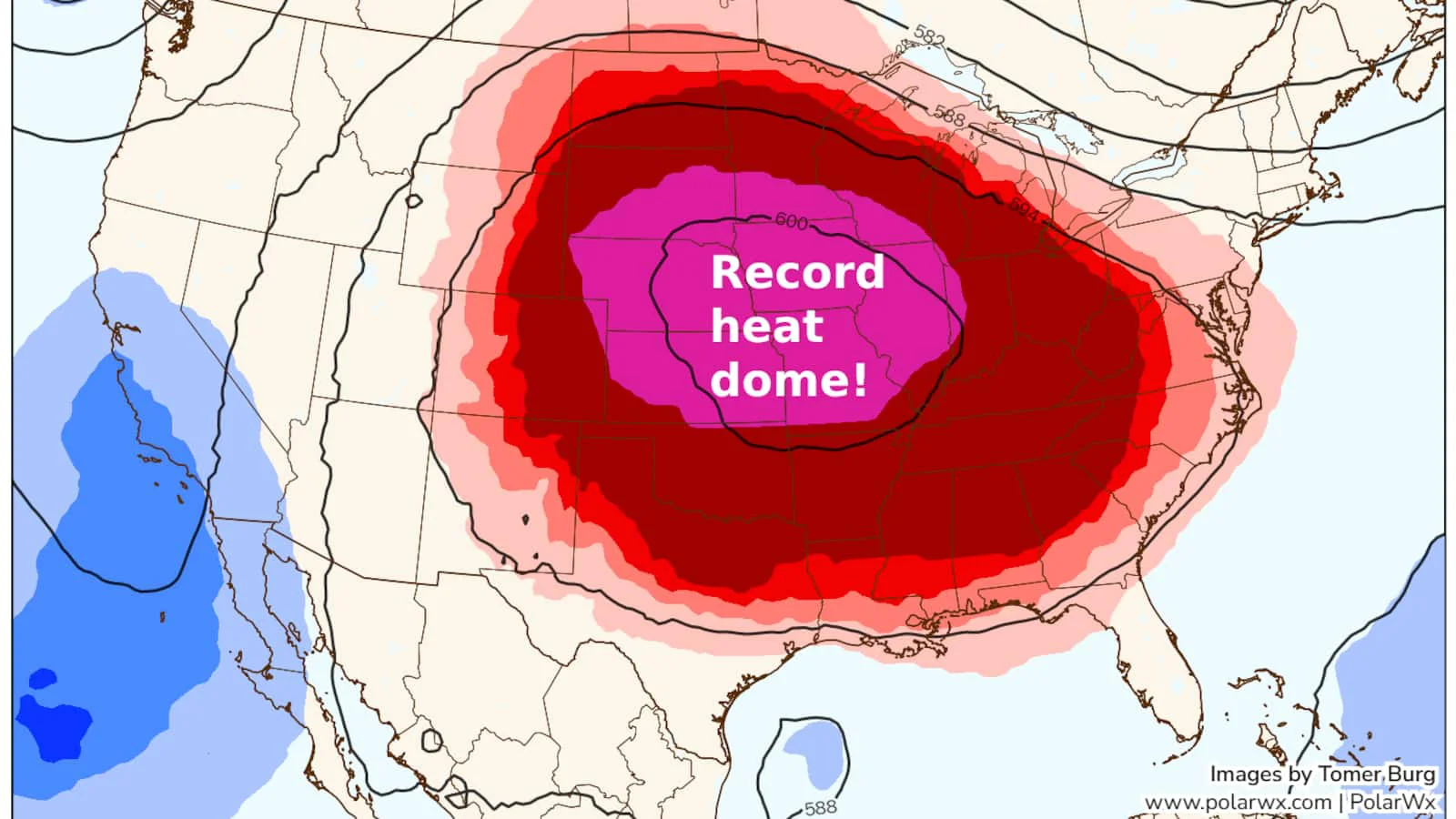
Protecting Commercial HVAC From Oklahoma Heat Domes: High-Ambient Strategy, Coil Cleaning, and Load Management
A practical Oklahoma guide to surviving heat domes: high-ambient chiller/RTU performance, coil cleaning cadence, tower readiness, demand management, and emergency cooling planning.
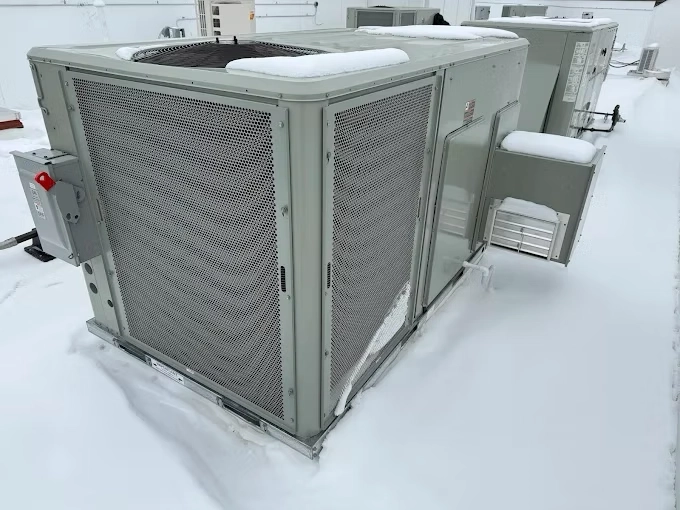
RTU Winterization Checklist for Oklahoma Ice Storms: Freeze Protection, Hail Risk, and Start-Up
A practical rooftop unit winterization checklist for Oklahoma facilities: freeze protection, condensate and economizer checks, hail prep, and post-storm start-up steps.
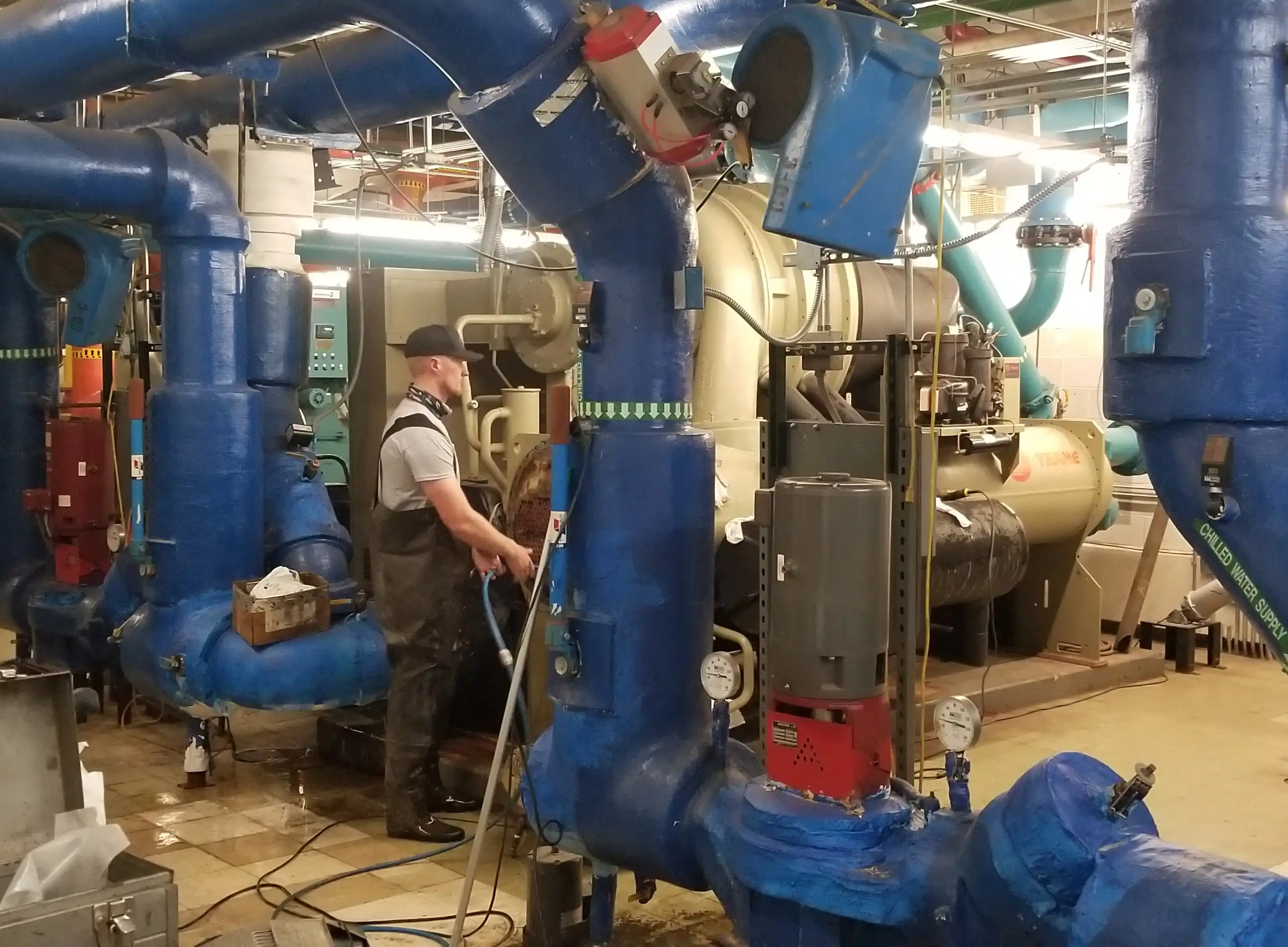
Commercial Chiller Tube Cleaning in Oklahoma: Frequency, Methods, and Hard-Water Reality
A field-practical guide to chiller tube cleaning for Oklahoma facilities: how hard water and tower chemistry affect efficiency, how often to clean, and what methods work.
Need Help with Your System?
Our expert team is ready to assist with design, installation, maintenance, and troubleshooting.