Building Automation & Controls
Turn “mystery alarms” into actionable data. We troubleshoot BAS issues, stabilize sequences, and optimize VFD and scheduling logic to reduce energy waste and comfort complaints—without creating new reliability problems.
Building Automation Services in Oklahoma
Total Mechanical Services provides building automation and controls integration for commercial facilities across Oklahoma City, Tulsa, and statewide. We work with Tridium Niagara, Johnson Controls Metasys, Honeywell, and Siemens platforms—delivering BACnet integration, VFD optimization, and energy management solutions that reduce operating costs. From legacy pneumatic conversions to modern DDC systems, we make your mechanical infrastructure work smarter.
Controls are one part of the plant. See our mechanical service capabilities for the equipment and piping those systems operate.
Service Highlights
- BAS Integration
- VFD Optimization
- Energy Audits
- Legacy Retrofits
What is Building Automation?
A Building Automation System (BAS) or Energy Management System (EMS) is the central nervous system of your mechanical infrastructure. It coordinates HVAC equipment, monitors performance, and optimizes operation based on occupancy, weather, and energy pricing.
The problem: Many Oklahoma facilities operate aging or improperly commissioned automation systems—leaving significant energy savings on the table while creating occupant comfort complaints.
In many facilities, retro-commissioning finds scheduling drift, bad sensors, overridden setpoints, and broken sequences that quietly drive costs and complaints. We identify the highest-impact fixes first and give you a practical roadmap for optimization.
What a BAS Controls
-
Air Handling Units
Supply and return fan speeds, damper positions, discharge air temperature.
-
Chillers & Boilers
Sequencing, setpoint optimization, lead/lag rotation.
-
VAV Boxes & Zones
Zone temperatures, airflow minimums/maximums, reheat staging.
-
Pumps & VFDs
Pressure setpoints, speed modulation, pump alternation.
What Automation Services Do We Offer?
From troubleshooting legacy pneumatic systems to deploying modern DDC controls—we bridge the gap between mechanical and digital.
Controls Troubleshooting
Diagnosing sensor failures, communication errors, and sequence logic problems. We speak BACnet, Modbus, and LonWorks fluently.
Pneumatic-to-DDC Conversion
Modernize legacy pneumatic controls with digital direct control. Eliminate air compressor maintenance and gain visibility into system performance.
VFD Programming & Optimization
Variable Frequency Drive setup, PID tuning, and integration with BAS. Reduce energy consumption on pumps and fans by matching speed to demand.
Retro-Commissioning
Systematic testing and optimization of existing systems. Identify sequences that have drifted from design intent and restore efficiency.
Sequence Programming
Custom control sequences for complex systems. Chiller staging, economizer optimization, demand-controlled ventilation.
System Integration
Connect disparate systems to a unified front-end. BACnet/IP, Modbus, and LonWorks integration for complete visibility.
VFD Energy Savings Example
| Pump Motor | 50 HP |
| Operating Hours | 8,760/year |
| Without VFD (Constant Speed) | $32,000/year |
| With VFD (Avg 70% Speed) | $11,000/year |
| Annual Savings | $21,000 |
*Example based on affinity laws. Actual savings depend on system characteristics and load profile.
VFD Optimization
Variable Frequency Drives (VFDs) are one of the highest-ROI upgrades available for commercial buildings. By reducing motor speed to match actual demand, VFDs leverage the "affinity laws"—where a 20% reduction in speed yields nearly 50% reduction in energy consumption.
However, improperly configured VFDs can cause harmonic issues, motor overheating, and control instability. Our technicians specialize in:
- Drive sizing and selection for new installations
- PID tuning for optimal response
- BAS integration and trending
- Troubleshooting fault codes and nuisance trips
Platforms We Support
Multi-vendor expertise—we're not locked to a single manufacturer.
Niagara N4/AX, Metasys, WEBs, Desigo, Carrier i-Vu, Trane Tracer, Automated Logic, Distech, and legacy pneumatic systems.
Industries That Benefit Most
Building automation delivers the greatest value in facilities with complex systems, 24/7 operation, or strict environmental requirements.
Healthcare
Precise control of pressure relationships, humidity, and temperature is essential for infection control and regulatory compliance.
- • OR room pressure monitoring
- • Isolation room alarms
- • ACH verification logging
K-12 & Universities
Scheduling-based control matches HVAC operation to class schedules. CO2-based demand ventilation improves air quality while reducing energy.
- • Occupancy scheduling
- • CO2 demand ventilation
- • Summer setback modes
Office Buildings
Multi-tenant buildings benefit from zone-level metering and optimized start/stop sequences that reduce peak demand charges.
- • Tenant sub-metering
- • Optimal start/stop
- • Demand limiting
Frequently Asked Questions
Common questions about building automation and controls.
What is the difference between BACnet and Modbus?
BACnet (Building Automation and Control Network) is a purpose-built protocol for HVAC and building systems. It's object-oriented and self-describing, making integration easier. Modbus is an older industrial protocol that's simpler but less feature-rich. BACnet/IP is the standard for modern building automation, while Modbus is still common for VFDs, meters, and legacy equipment. We can integrate both protocols into a unified front-end.
Can you add controls to my existing mechanical equipment?
Yes. Most mechanical equipment can be retrofitted with modern controls. For RTUs and AHUs, this typically involves adding DDC controllers, sensors (temperature, pressure, CO2), and actuators for dampers and valves. Chillers and boilers often have native BACnet or Modbus interfaces that can be connected to your BAS. We evaluate each piece of equipment and recommend the most cost-effective integration approach.
How much can building automation really save?
According to multiple studies, retro-commissioning and BAS optimization typically yields 10-25% energy savings, with payback periods under 2 years. VFD installations on pumps and fans can reduce motor energy consumption by 30-50%. The actual savings depend on building type, operating hours, current system condition, and utility rates. We can perform an energy audit to estimate savings for your specific facility.
We have pneumatic controls—should we replace them?
It depends on your goals. Pneumatic controls can still work well when properly maintained, but they lack the visibility and scheduling capabilities of DDC systems. Converting to DDC eliminates air compressor maintenance and provides remote monitoring, trending, and alarm capabilities. For many facilities, a phased approach works best—converting the most critical zones first while maintaining pneumatics in less critical areas.
Automation Resources & Case Studies
View All Resources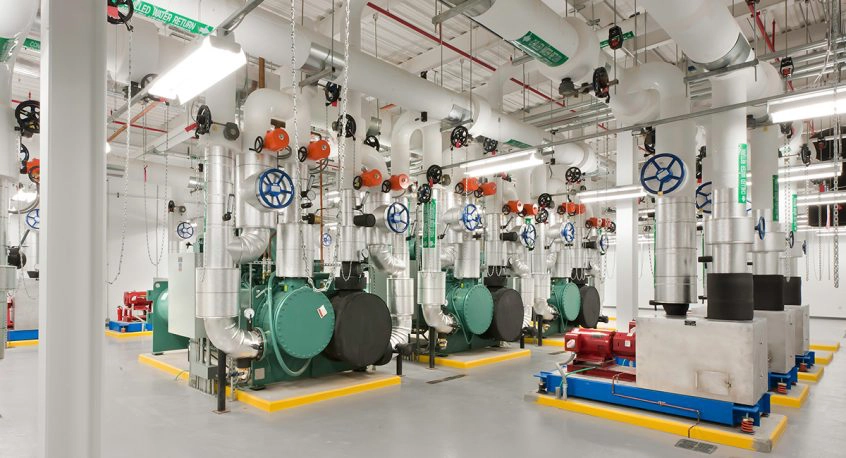
Data Center Cooling Best Practices in Oklahoma: CRAC/CRAH, Hot Spots, Humidity, and Redundancy
A practical Oklahoma guide to data center cooling: how to prevent hot spots, manage humidity, maintain CRAC/CRAH systems, and build redundancy that holds up during heat events.
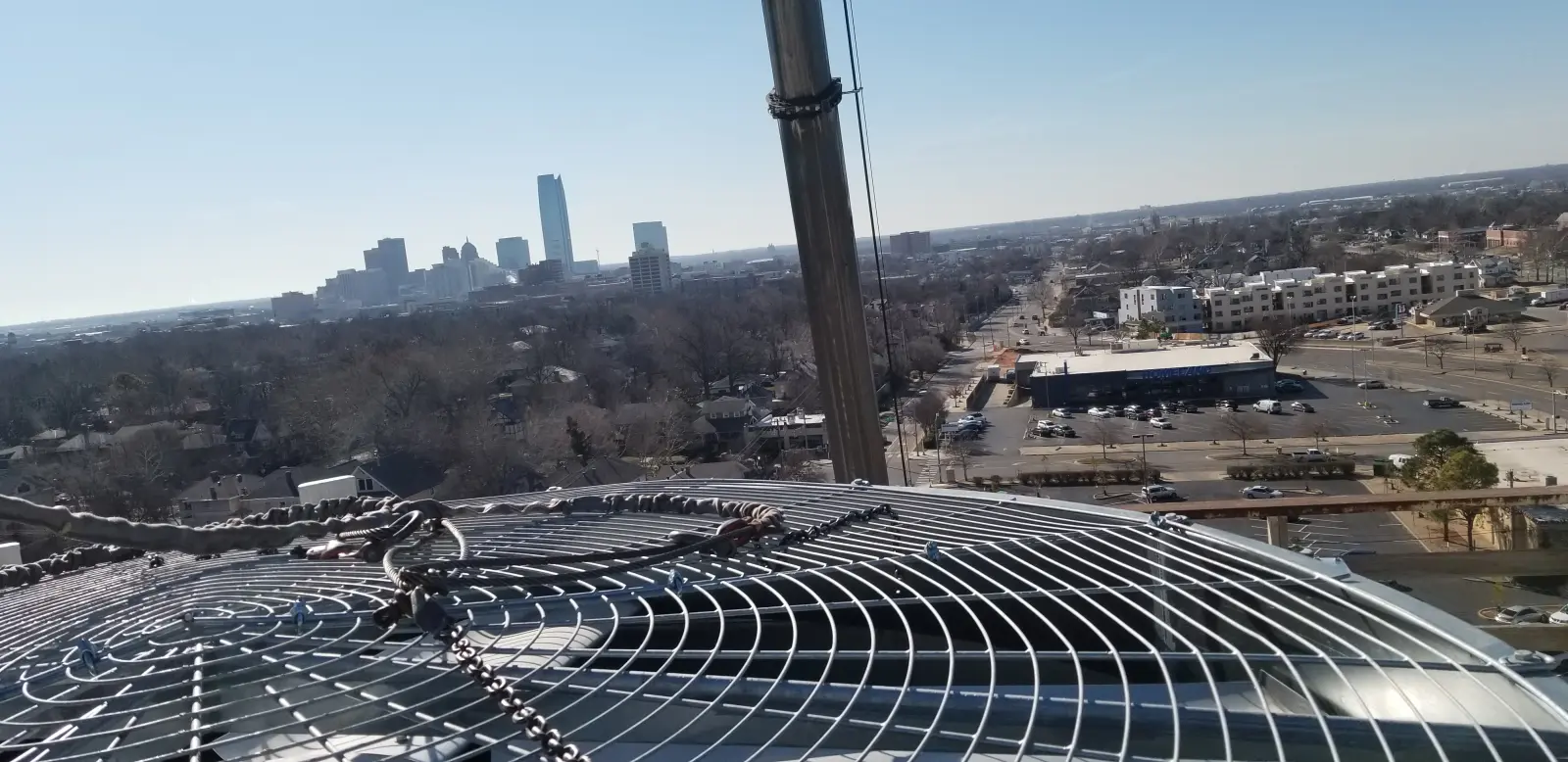
The Dowell Building (Oklahoma City): Cooling Tower Consolidation and VFD Retrofit
We consolidated two aging, unreliable cooling towers into a single, high-efficiency unit with a Variable Frequency Drive (VFD), simplifying the building's mechanical plant and improving energy performance.
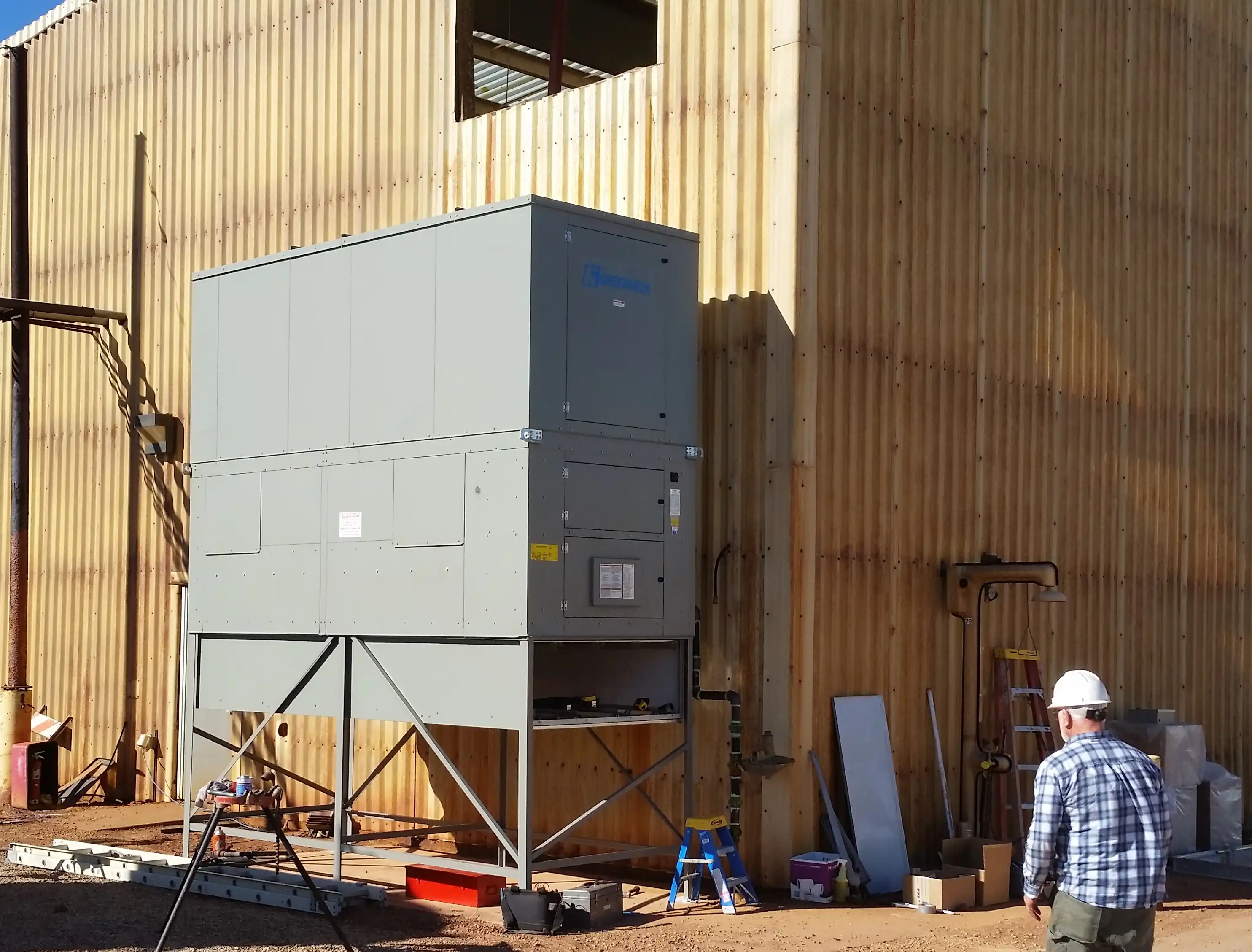
Manufacturing & Industrial HVAC in Oklahoma: Process Cooling, Ventilation, VFDs, and Uptime Strategy
A practical Oklahoma guide for industrial facilities: process vs comfort cooling, ventilation for welding and heat loads, VFD and controls upgrades, and maintenance strategies that protect uptime.
Unlock Your Building's Potential
Whether you need troubleshooting for a misbehaving BAS or a complete controls retrofit, our technicians bridge the gap between mechanical and digital. Commercial and industrial inquiries only.
Serving Oklahoma City, Tulsa, and Statewide Since 2008