
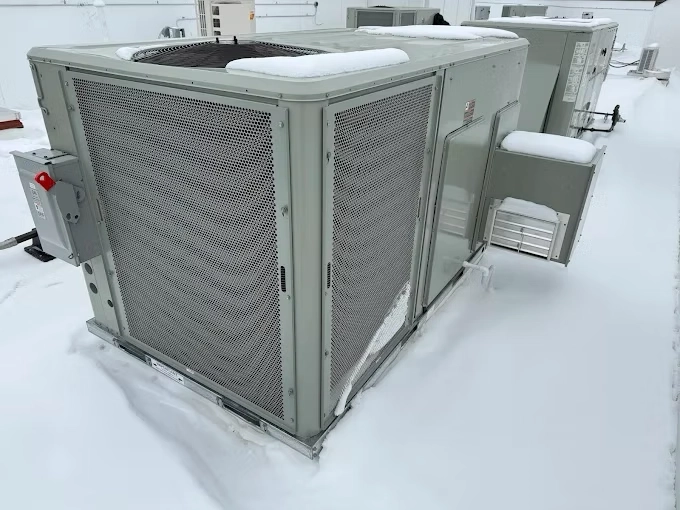
RTU Winterization Checklist for Oklahoma Ice Storms: Freeze Protection, Hail Risk, and Start-Up
A practical rooftop unit winterization checklist for Oklahoma facilities: freeze protection, condensate and economizer checks, hail prep, and post-storm start-up steps.
RTU Winterization Checklist for Oklahoma Ice Storms: Freeze Protection, Hail Risk, and Start-Up
Rooftop units (RTUs) are exposed to everything Oklahoma can throw at them: freezing rain, high winds, sudden temperature swings, and hail. The good news is that most winter-related RTU failures are preventable if you do the right work at the right time. This guide is a practical, facility-friendly winterization checklist that focuses on freeze protection, reliability, and post-storm recovery—without guesswork.
For full-site recovery sequencing after major storms, pair this checklist with our Oklahoma ice storm HVAC recovery guide.
Quick Answer: What should you winterize on an RTU?
For Oklahoma RTUs, winterization means protecting water-bearing components from freezing (condensate drains, traps, humidifier lines, coils where applicable), confirming economizers and safeties work correctly, verifying heaters and controls are staged properly, sealing air leaks that create comfort complaints, and planning post-storm inspection so you catch damage before it becomes downtime.
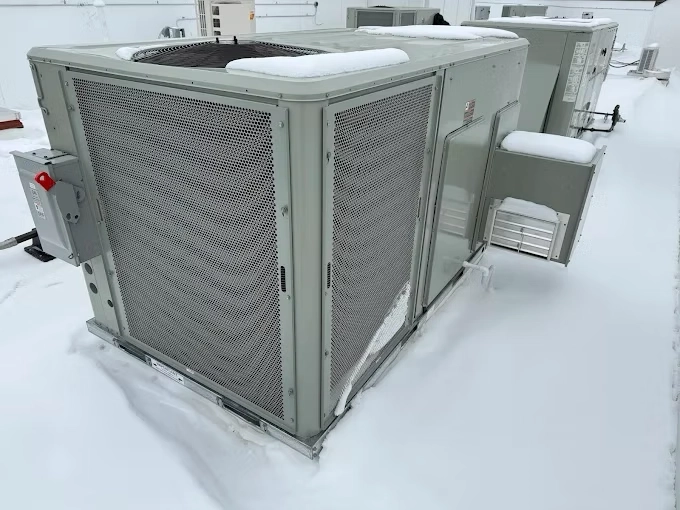
Why Oklahoma RTU winterization is different
Many “winterization” checklists assume steady cold. Oklahoma winters are often the opposite:
| Oklahoma Winter Reality | Challenge | Required Response |
|---|---|---|
| Rapid warm/cold swings | Freeze-thaw cycles stress components | Multiple inspection points per season |
| Freezing rain + wind | Moisture driven into places it shouldn’t be | Seal integrity, drainage verification |
| Hail events | Damage to coils, guards, fan sections | Pre-storm prep, post-storm inspection |
| Ice storms + power outages | Restart complications | Safe restart procedures |
| Wide temperature ranges | 70°F Monday, 20°F Wednesday | Both cooling and heating readiness |
That means your checklist must include both freeze protection and storm resilience.
You should also keep a matching escalation workflow from our 24/7 emergency HVAC response playbook for event-day decision making.
Timing: when to winterize (the practical calendar)
| Timing | Activity | Purpose |
|---|---|---|
| Early-to-mid fall (October) | Initial winterization | Complete before first hard freeze |
| Before forecast ice storms | Pre-storm readiness checks | Quick, targeted verification |
| 24-72 hours after major events | Post-storm inspections | Catch damage before it becomes downtime |
| Before spring transition | De-winterization review | Prepare for cooling season |
Waiting until the first freeze week is when winterization becomes emergency repair.
Average Winter RTU Repair Cost
Saved $7,300 USD
Step 1: Freeze protection checklist (highest ROI)
Condensate drains and traps
Even in heating season, condensate can occur (economizer conditions, humidity control, reheat, etc.).
| Component | Inspection | Action Required |
|---|---|---|
| Primary drain | Clear, properly pitched | Clean if slow, verify pitch |
| Trap (if required) | Properly installed, primed | Prime trap, verify configuration |
| Low spots in drain line | Identify water-holding areas | Re-route or add heat trace |
| Heat trace (if installed) | Functional, protected | Test operation, check thermostat |
| Overflow/secondary drain | Clear path | Verify not blocked |
Coils and hydronic components (where applicable)
Some RTUs have hot water coils, glycol coils, or other hydronic components.
| Component | Check | Standard |
|---|---|---|
| Isolation valves | Correctly positioned | Per operating mode |
| Bypass configuration | Correct for winter | Per system design |
| Glycol concentration | Appropriate for expected lows | Minimum -10°F protection for Oklahoma |
| Exposed piping insulation | No damage, gaps | Full coverage on all outdoor sections |
| Heat trace | Operational, thermostat set correctly | Test before freeze season |
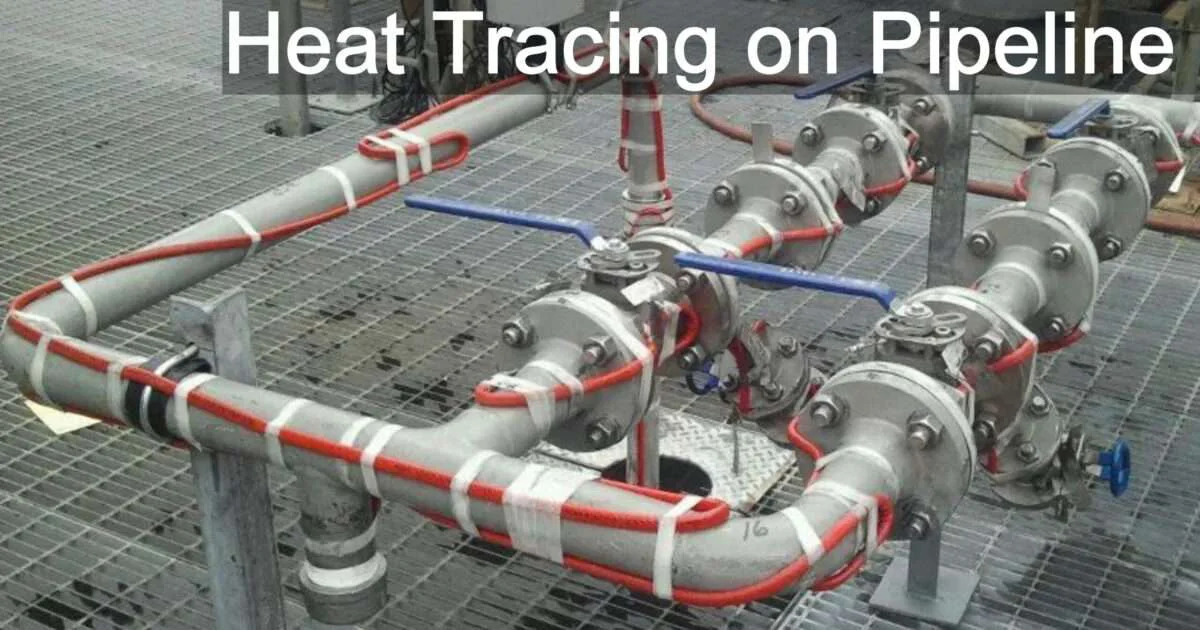
Photo credit: chemicalengineeringworld.com
Outside air and damper integrity
Uncontrolled outside air in winter creates freeze risk and comfort complaints.
| Damper Check | Pass Criteria | Failure Consequence |
|---|---|---|
| Full close command | Damper closes completely | Cold air infiltration, freeze risk |
| Linkage integrity | No binding, secure connections | Erratic operation |
| Minimum OA settings | Correct for winter operation | Overcooling, energy waste |
| Damper seals | Intact, no visible gaps | Air leakage, comfort complaints |
Step 2: Heating system reliability checklist
Gas heat (where applicable)
| Component | Inspection | Concern If Failed |
|---|---|---|
| Combustion air intake | Clear of debris, ice | Incomplete combustion, lockout |
| Exhaust/flue | Clear, proper draft | CO risk, lockout |
| Burners | Clean, proper flame pattern | Efficiency loss, safety risk |
| Ignition components | Proper operation, clean | No-heat calls |
| Flame safeguard | Functional | Safety system failure |
| Rollout switch | Not tripped, proper position | Combustion safety |
| High limit | Functional, proper setpoint | Overheating protection |
Electric heat
| Component | Inspection | Standard |
|---|---|---|
| Staging/contactors | All stages functional | Verify each stage energizes |
| Wiring | No heat damage, tight connections | No discoloration, no arcing signs |
| Elements | Proper resistance, no damage | Per nameplate specifications |
| Airflow proving | Interlock functional | Heat only with adequate airflow |
| Sequencer timing | Proper staging delays | Per manufacturer specification |
Step 3: Economizer and controls (the “hidden failure” category)
Economizers can create winter problems if dampers stick, sensors drift, or sequences are wrong.
| Economizer Component | Winter Check | Failure Mode |
|---|---|---|
| OA temperature sensor | Calibrated, accurate | Wrong economizer decisions |
| Return air sensor | Calibrated, accurate | Incorrect mixed air control |
| Economizer lockout | Set appropriately (typically 35-40°F) | Overcooling in cold weather |
| Mixed air control | Stable, correct setpoint | Freeze risk, comfort complaints |
| Freeze stat | Enabled, properly located | Last line of freeze defense |
| Low temp safety | Functional, tested | Coil freeze protection |
If you have repeated winter comfort complaints, economizer and controls should be one of the first investigation areas.
Step 4: Roof and unit physical inspection (storm resilience)
Hail and wind vulnerability
| Component | Inspection | If Damaged |
|---|---|---|
| Condenser coil fins | Bent, crushed, blocked | Comb fins or schedule coil repair |
| Hail guards | Intact, properly mounted | Replace before storm season |
| Fan guards and blades | Secure, undamaged | Repair immediately |
| Cabinet panels | Secure fasteners, no gaps | Re-secure, seal gaps |
| Roof curb/flashing | Intact, sealed | Coordinate with roofing |
Seals and leakage
Air leaks and panel gaps cause:
- cold drafts
- humidity/comfort issues
- higher heating costs
| Seal Location | Inspection | Repair Method |
|---|---|---|
| Panel seals | Intact, compressed properly | Replace gaskets |
| Filter access doors | Close tightly | Adjust latches, replace seals |
| Curb transitions | No gaps | Seal with appropriate materials |
| Electrical penetrations | Sealed | Caulk or foam |
| Refrigerant line penetrations | Sealed | Appropriate sealant |
Step 5: Filters and airflow (winter comfort is airflow)
| Filter Check | Standard | Consequence If Failed |
|---|---|---|
| Correct type installed | Match unit specification | Inadequate filtration or restriction |
| Proper installation | No bypass gaps | Reduced air quality |
| Loading level | Not overdue for replacement | High static, reduced airflow |
| Rack sealing | No filter bypass | Dirty coils, reduced efficiency |
| Blower Check | Standard | Consequence If Failed |
|---|---|---|
| Belt condition | Proper tension, no cracks | Slippage, noise, failure |
| Belt tension | Per specification | Premature wear |
| Bearing condition | No unusual noise/vibration | Bearing failure |
| Blower wheel | Clean, balanced | Reduced airflow, vibration |
Airflow problems often show up in winter because heating demand exposes weak distribution.
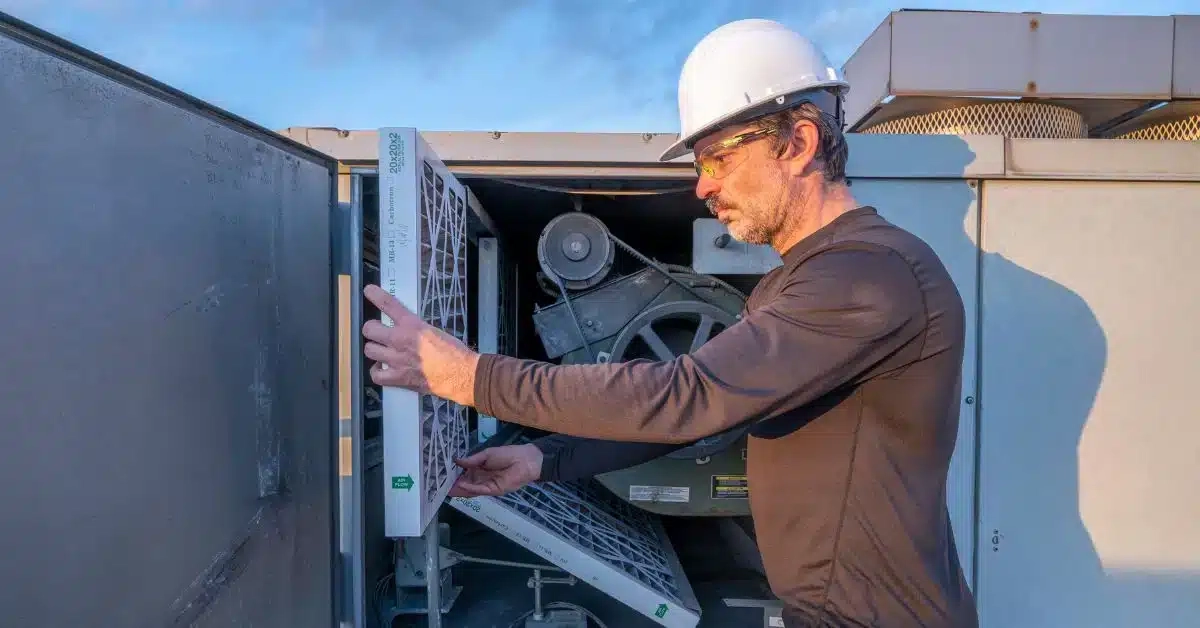
Photo credit: smartcaresolutions.com
Step 6: Pre-storm “quick readiness” checklist (30 minutes per critical RTU)
When an ice storm is forecast, focus on what can cause immediate failure:
| Quick Check | Purpose | Time |
|---|---|---|
| Clear intake/exhaust paths | Prevent combustion issues | 5 min |
| Verify heat trace operational | Prevent freeze damage | 5 min |
| Confirm economizer dampers close | Prevent cold air flooding | 5 min |
| Check drain condition | Prevent ice blockage | 5 min |
| Verify roof access plan | Post-storm safety | 5 min |
| Confirm emergency contacts | Rapid response | 5 min |
Step 7: Post-storm inspection and safe restart
After ice storms and high winds:
| Inspection Area | Look For | If Found |
|---|---|---|
| Coils and fan sections | Ice damage, debris | Assess damage before operating |
| Panels | Wind intrusion, loose fasteners | Secure before operating |
| Electrical disconnects | Proper position, no damage | Verify before restart |
| Drains and traps | Frozen, blocked | Thaw before operating |
| Control power | Stable, no alarms | Clear alarms, verify function |
Restart sequence: Bring units online in a controlled sequence (avoid simultaneous inrush if your building power is stressed).
Oklahoma-specific “we see this every year” failure modes
| Failure Mode | Typical Cause | Prevention |
|---|---|---|
| Frozen condensate traps/drains | Heat trace failed or missing | Verify heat trace before season |
| Stuck economizer dampers | Cold stiffening, linkage failure | Exercise dampers in fall |
| Hail-damaged coils | No hail guards, storm damage | Install guards, inspect after storms |
| Loose panels/moisture intrusion | Wind damage, aged seals | Tighten and seal in fall |
| Post-outage restart issues | Control lockouts, short cycling | Safe restart procedures |
Winter Service Calls Per Season
Saved 9
When to call for professional service
You should call for professional support when:
| Situation | Why Professional Help |
|---|---|
| Gas heat combustion/safety issues | Combustion expertise, safety critical |
| Economizer dampers unstable/drifting | Control calibration, mechanical repair |
| Units short cycling or tripping safeties | Systematic diagnosis required |
| Suspected freeze damage to coils/piping | Leak detection, repair expertise |
| Multiple units need coordinated winterization | Efficiency, consistent standards |
Need RTU winterization help in Oklahoma?
Total Mechanical Services supports commercial rooftop unit maintenance and winterization across Oklahoma. Call (405) 223-9900 or request a proposal.
Disclaimer: This guide is informational. Rooftop work involves fall hazards, electrical hazards, and combustion equipment. Always follow site safety requirements and OEM procedures.
Related Resources
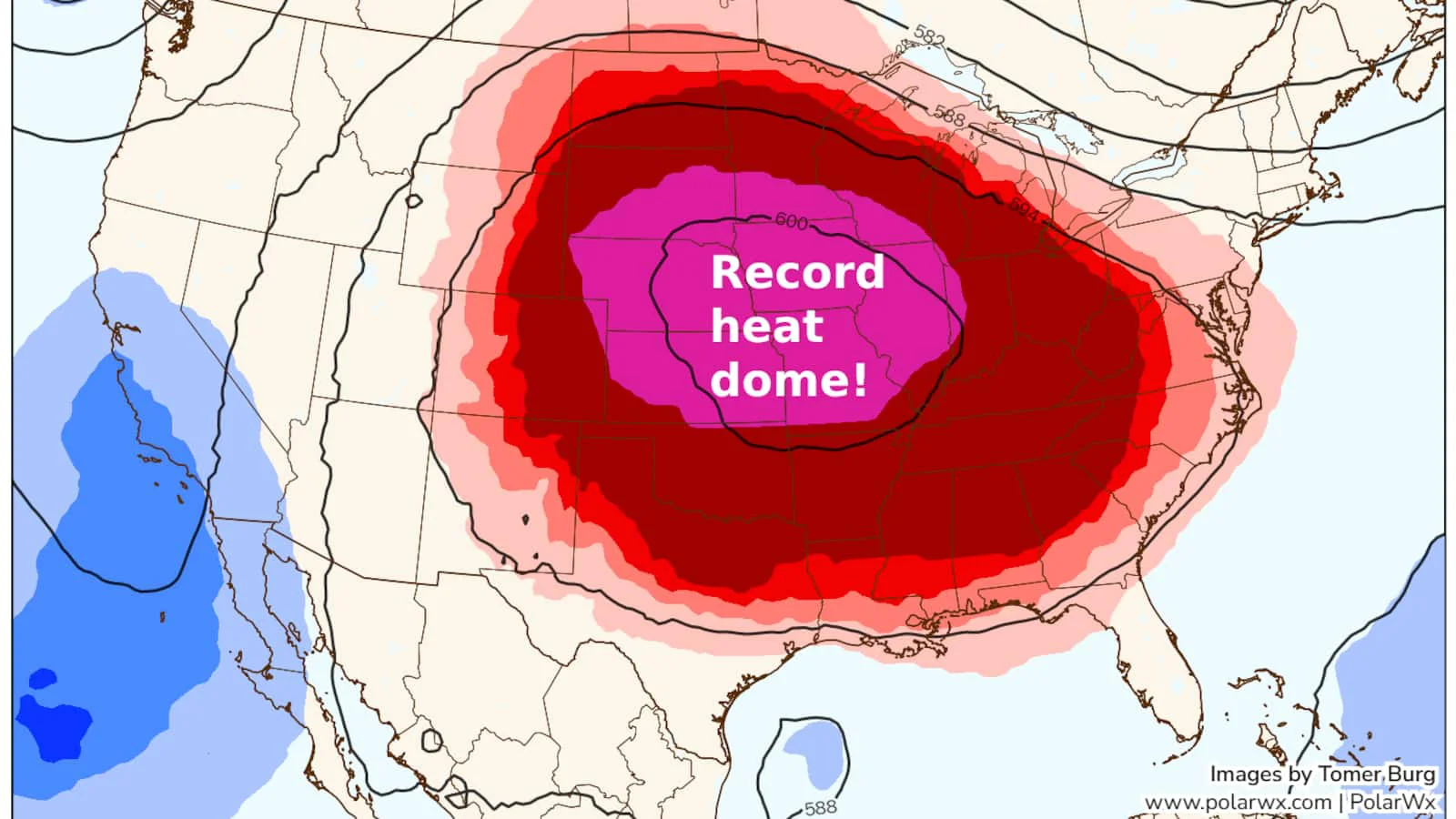
Protecting Commercial HVAC From Oklahoma Heat Domes: High-Ambient Strategy, Coil Cleaning, and Load Management
A practical Oklahoma guide to surviving heat domes: high-ambient chiller/RTU performance, coil cleaning cadence, tower readiness, demand management, and emergency cooling planning.
Oklahoma Ice Storm HVAC Recovery: Freeze Damage Triage, RTU/Chiller Plant Checks, and Safe Restart
A practical Oklahoma guide to recovering HVAC after ice storms: pre-storm prep, freeze damage triage, thaw and restart strategy, and documentation for insurance and risk control.
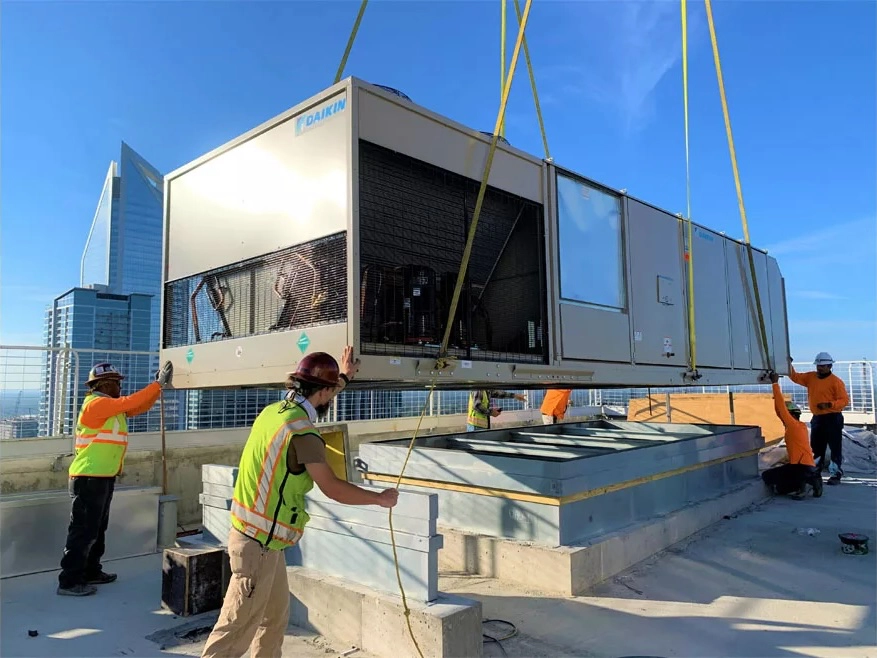
Commercial HVAC Retrofit ROI in Oklahoma: How to Calculate Payback, NPV, and Risk (Facility + CFO Guide)
A practical framework for Oklahoma facilities to calculate HVAC retrofit ROI: baseline energy, maintenance and downtime costs, incentives, simple payback vs NPV, and risk-adjusted decisions.
Need Help with Your System?
Our expert team is ready to assist with design, installation, maintenance, and troubleshooting.