5 Common Chiller Problems and How to Diagnose Them
Expert troubleshooting guide for commercial chiller problems. Learn to identify symptoms, diagnose root causes, and determine when to call for emergency service.
5 Common Chiller Problems and How to Diagnose Them
Commercial chillers are complex machines, and when they fail during Oklahoma’s brutal summer heat, the consequences can be severe. This guide helps facility managers and building engineers quickly diagnose common issues and determine the appropriate response.
Quick Problem Reference
| Problem | Primary Symptom | Most Common Cause | Urgency |
|---|---|---|---|
| High Condensing Pressure | High head alarm | Dirty coils (air-cooled) or fouled tubes (water-cooled) | Same-day to immediate |
| Low Evaporator Pressure | Low suction alarm | Restricted water flow or low refrigerant | Immediate if freeze risk |
| Compressor Short Cycling | Frequent starts/stops | Low charge or oversized unit | Immediate |
| High Oil Temperature | Oil temp over 180°F | Failed oil cooler or bearing wear | Immediate if over 200°F |
| Abnormal Noises | Grinding, banging, hissing | Mechanical failure or refrigerant leak | Immediate |
Problem 1: High Condensing Pressure
Symptoms
| Symptom | What It Indicates |
|---|---|
| Condenser pressure exceeds design specs | Heat rejection problem |
| High head pressure alarm | Safety limit approaching |
| Reduced cooling capacity | Chiller derating itself |
| Increased compressor amperage | Compressor working harder |
Common Causes
Air-Cooled Chillers
| Cause | Visual Signs | Fix |
|---|---|---|
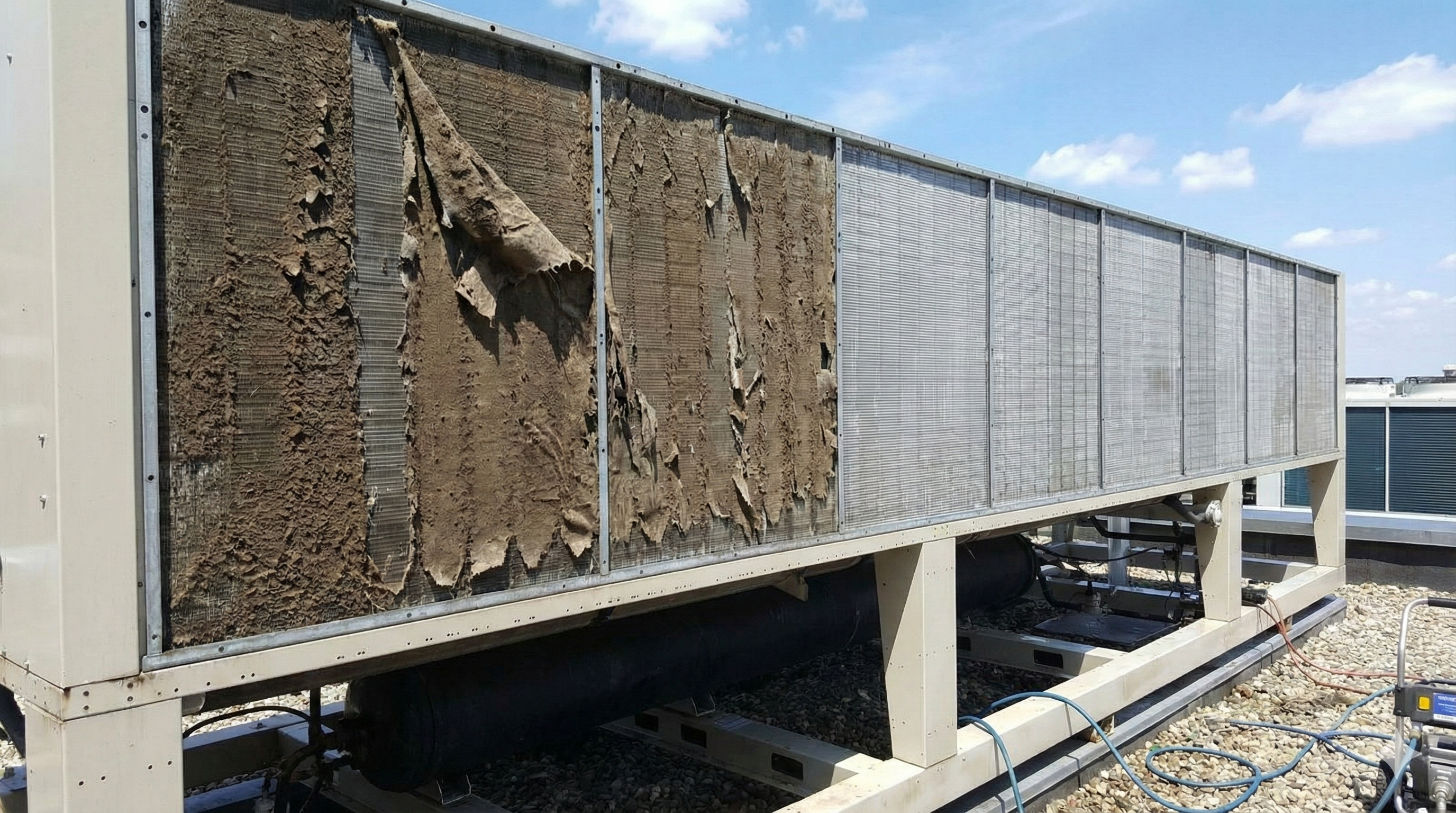
| Dirty condenser coils | Dust, cottonwood, debris visible | Professional coil cleaning with low-pressure wash |
| Failed condenser fan | Motor not running or running slowly | Motor replacement or fan repair |
| Blocked airflow | Obstructions near unit | Clear obstructions, verify clearances |
Dirty condenser coils (most common)
- Visual inspection shows dust, cottonwood, or debris
- Reduced airflow across coils
- Fix: Professional coil cleaning with coil cleaner and low-pressure wash
Failed condenser fan
- Fan motor not running or running slowly
- Broken fan blades
- Fix: Motor replacement or fan repair
Water-Cooled Chillers
| Cause | Diagnostic Indicator | Fix |
|---|---|---|
| Fouled condenser tubes | High approach temp (over 5°F above design) | Tube cleaning and water treatment program |
| Cooling tower issues | Low water flow, high CW temp | Inspect tower, check pump, verify treatment |
| Scaled tubes | Gradual efficiency decline | Chemical cleaning, improve water chemistry |
Fouled condenser tubes
- Poor heat transfer due to scale or biological growth
- High approach temperature (over 5°F above design)
- Fix: Tube cleaning (brush or chemical) and water treatment program
Cooling tower issues
- Low water flow
- High condenser water temperature
- Fix: Inspect tower, check pump, verify water treatment
When to Call for Service
| Condition | Response Time |
|---|---|
| Pressure reaches safety cutout | Immediate—risk of compressor damage |
| Pressure is 15+ PSI above normal | Within 24 hours |
| Gradually increasing over weeks | Schedule maintenance (indicates fouling) |
Problem 2: Low Evaporator Pressure
Symptoms
| Symptom | What It Indicates |
|---|---|
| Evaporator pressure below design | Heat absorption problem |
| Low suction pressure alarm | Safety limit approaching |
| Inadequate cooling output | Chiller capacity reduced |
| Possible freeze conditions | Tube damage risk |
Common Causes
| Cause | Diagnosis Method | Fix |
|---|---|---|
| Restricted chilled water flow | Check flow meter, verify pump | Clear restriction, repair/replace pump |
| Low refrigerant charge | Leak detection, check subcooling | Repair leak, recharge (EPA certified) |
| Fouled evaporator tubes | High approach temperature | Tube cleaning and water treatment |
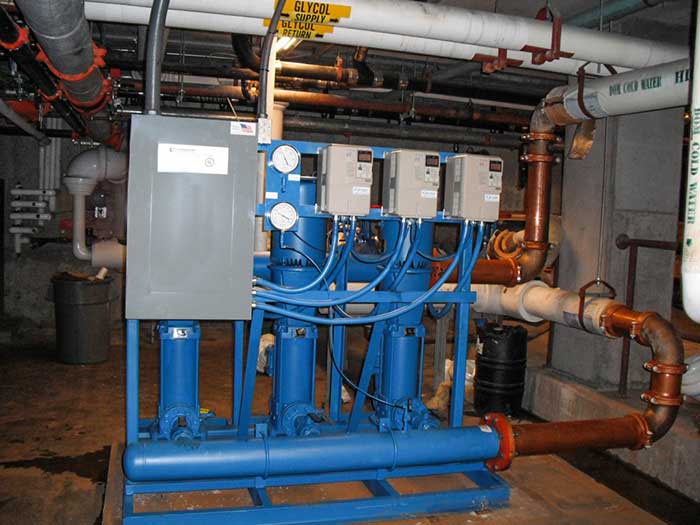
Restricted chilled water flow
- Partially closed valves
- Clogged strainer
- Failed pump
- Diagnosis: Check flow meter, verify pump operation
- Fix: Clear restriction, repair/replace pump
Low refrigerant charge
- Leak in system
- Subcooling below specification
- Diagnosis: Leak detection with refrigerant detector
- Fix: Repair leak, recharge system (EPA certified technician required)
Fouled evaporator tubes
- Poor heat transfer
- High approach temperature
- Fix: Tube cleaning and water treatment
When to Call for Service
| Condition | Response Time |
|---|---|
| Approaching freeze condition (32°F or below) | Immediate |
| Affecting critical cooling loads | Same day |
| Preventative tube cleaning needed | Scheduled |
Problem 3: Compressor Short Cycling
Symptoms
| Symptom | Impact |
|---|---|
| Compressor starts and stops every 2-5 minutes | High mechanical stress |
| Never reaches stable operation | Reduced efficiency |
| High inrush current on each start | Electrical system stress |
| Mechanical stress on components | Accelerated wear |
Common Causes
| Cause | How to Identify | Fix |
|---|---|---|
| Low refrigerant charge | Running on low-pressure cutout | Locate leak, repair, recharge |
| Oversized chiller for load | Common in shoulder seasons | Install capacity control or staging |
| Failed control sensor | Erratic temp/pressure readings | Sensor calibration or replacement |
| Electrical issues | Loose connections, failed contactor | Electrical diagnostics and repair |
Impact on Equipment Life
Compressor Lifespan (Years)
Saved 13
Short cycling dramatically reduces equipment life. A compressor designed for 3-5 starts per hour being subjected to 20+ starts can fail within months instead of years.
When to Call for Service
| Condition | Response Time |
|---|---|
| Any short cycling condition | Immediate—causes rapid component wear |
| Affecting hospital, data center, or process cooling | Critical |
Problem 4: High Oil Temperature (Centrifugal Chillers)
Symptoms
| Symptom | Risk Level |
|---|---|
| Oil temperature exceeds 180°F | Warning |
| High oil temperature alarm | High |
| Bearing wear concerns | Critical |
| Potential lubrication failure | Critical |
Common Causes
| Cause | Diagnostic Method | Fix |
|---|---|---|
| Failed oil cooler | Check approach temperature | Clean or replace oil cooler |
| Low oil level | Check sight glass | Add oil, repair leak |
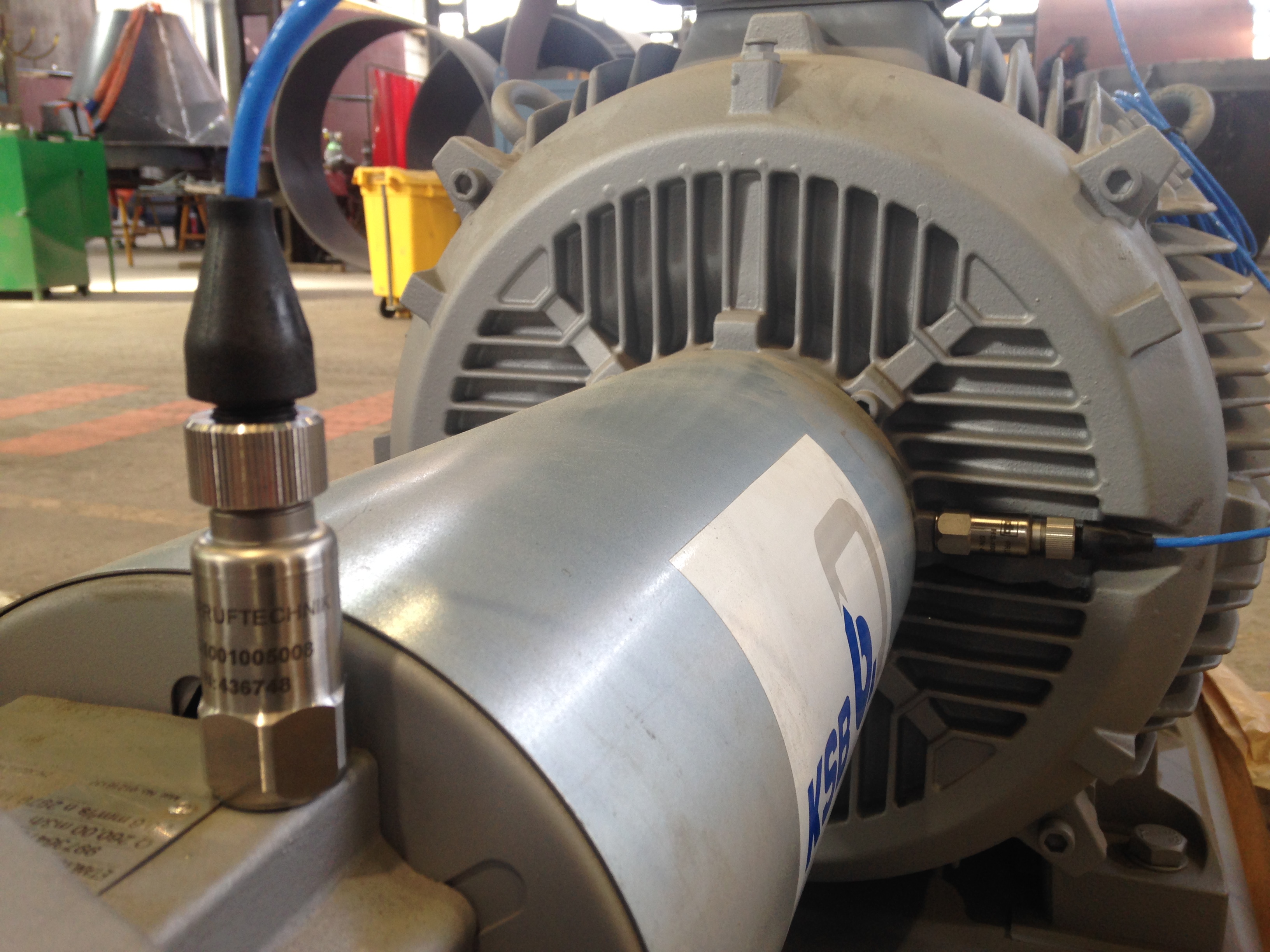
| Bearing wear | Oil analysis, vibration testing | Bearing replacement (major service) |
Failed oil cooler
- Fouled tubes
- Low coolant flow
- Diagnosis: Check approach temperature
- Fix: Clean or replace oil cooler
Low oil level
- Oil leak
- Failed oil pump
- Diagnosis: Check sight glass
- Fix: Add oil, repair leak
Bearing wear
- Increased friction generates heat
- Vibration may be present
- Diagnosis: Oil analysis, vibration testing
- Fix: Bearing replacement (major service)
When to Call for Service
| Condition | Response Time |
|---|---|
| Oil temp exceeds 200°F | Immediate shutdown—bearing damage risk |
| Approaching alarm setpoint | Same day |
| Routine oil analysis on critical units | Quarterly |
Problem 5: Abnormal Noises
Diagnosis by Sound
| Sound Type | Likely Cause | Action |
|---|---|---|
| Grinding or screeching | Bearing failure, dry bearing, shaft misalignment | Immediate shutdown to prevent catastrophic damage |
| Banging or hammering | Liquid refrigerant in compressor (liquid slugging) | Check superheat, verify expansion valve |
| Hissing | Refrigerant leak, safety valve lifting | Evacuate area, call for emergency service |
| Clicking or chattering | Loose mounting bolts, relay issues, loose panels | Inspect and tighten, verify electrical components |
Grinding or Screeching
- Cause: Bearing failure, dry bearing, shaft misalignment
- Action: Immediate shutdown to prevent catastrophic damage
Banging or Hammering
- Cause: Liquid refrigerant in compressor (liquid slugging)
- Action: Check superheat, verify expansion valve operation
Hissing
- Cause: Refrigerant leak, safety valve lifting
- Action: Evacuate area, call for emergency service
Clicking or Chattering
- Cause: Loose mounting bolts, relay issues, loose panels
- Action: Inspect and tighten, verify electrical components
Emergency Decision Matrix
| Condition | Response Time | Risk Level |
|---|---|---|
| Safety alarm (high pressure, high temp) | Immediate shutdown | Critical |
| Lost cooling in hospital OR | Emergency dispatch (under 2 hrs) | Critical |
| Refrigerant leak | Same day | High |
| Reduced capacity in summer | Within 24-48 hours | Moderate |
| Gradual efficiency loss | Schedule maintenance | Low |
Preventative Measures
Most chiller failures are preventable with proper maintenance:
| Preventative Action | Frequency | What It Catches |
|---|---|---|
| Quarterly inspections | Every 3 months | Developing issues before failure |
| Annual tube cleaning | Yearly | Fouling and scale buildup |
| Water treatment programs | Continuous | Scale and corrosion prevention |
| Oil analysis (centrifugal) | Quarterly | Bearing wear early detection |
| Vibration monitoring | Monthly or continuous | Mechanical problems before failure |
Annual Unplanned Service Calls
Saved 10
Need Expert Help?
Total Mechanical Services provides 24/7 emergency chiller service across Oklahoma. Our factory-trained technicians service all major brands:
| Brand | Equipment Types |
|---|---|
| Trane | Centrifugal, screw, air-cooled |
| York | Centrifugal, screw, air-cooled |
| Carrier | Centrifugal, screw, air-cooled |
| Daikin | Centrifugal, screw, air-cooled |
| McQuay | Centrifugal, screw, air-cooled |
Emergency Hotline: (405) 223-9900
This troubleshooting guide is for informational purposes. Refrigerant handling requires EPA 608 certification. High-voltage electrical work should only be performed by qualified technicians.
Related Resources
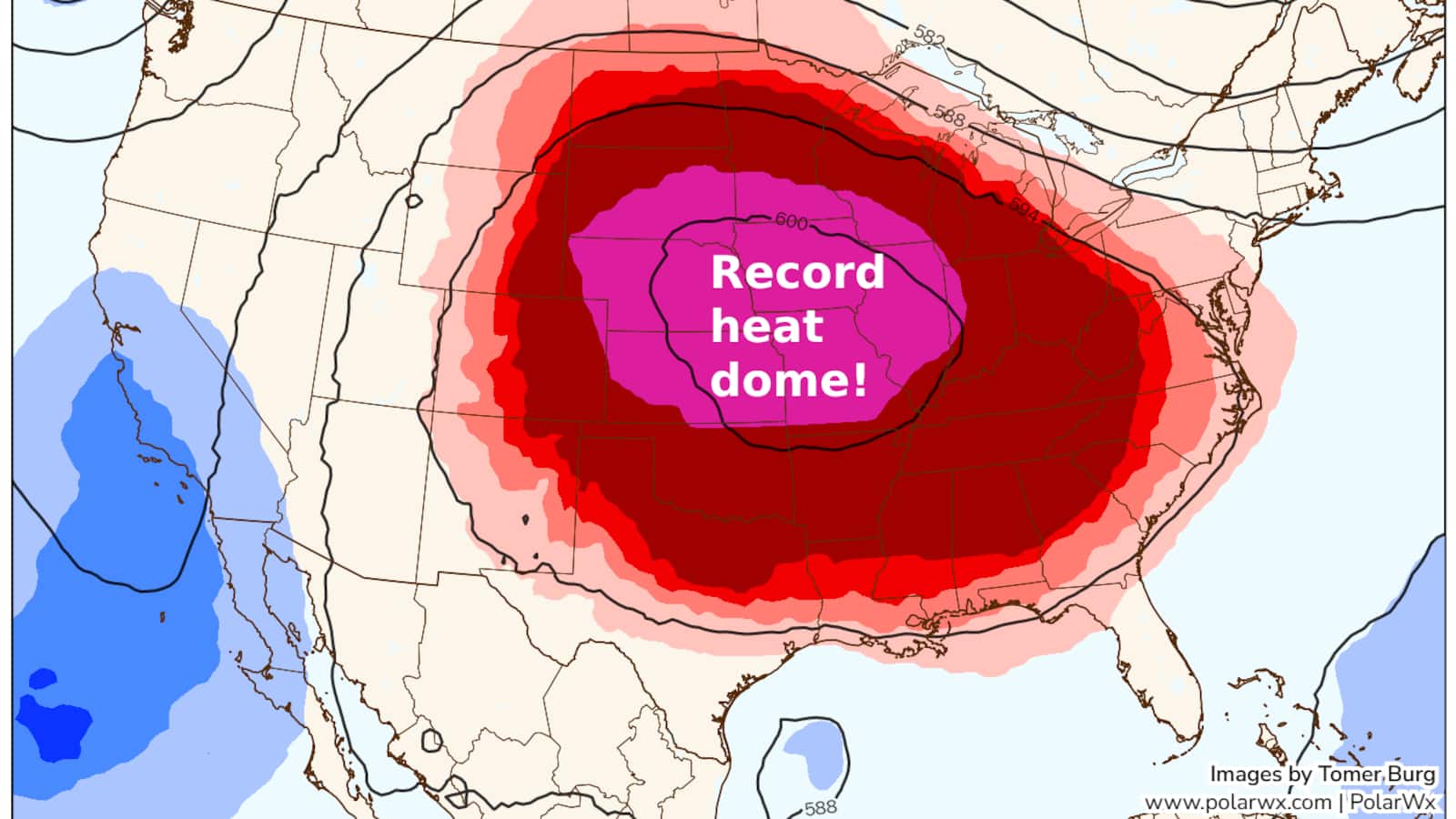
Protecting Commercial HVAC From Oklahoma Heat Domes: High-Ambient Strategy, Coil Cleaning, and Load Management
A practical Oklahoma guide to surviving heat domes: high-ambient chiller/RTU performance, coil cleaning cadence, tower readiness, demand management, and emergency cooling planning.
Oklahoma Ice Storm HVAC Recovery: Freeze Damage Triage, RTU/Chiller Plant Checks, and Safe Restart
A practical Oklahoma guide to recovering HVAC after ice storms: pre-storm prep, freeze damage triage, thaw and restart strategy, and documentation for insurance and risk control.
Carrier Chiller Fault Codes (19XR/30XA): Meaning, Severity, and Next Steps in Oklahoma
A field-friendly Carrier chiller fault-code guide for Oklahoma facility teams: what common faults usually indicate, how to triage safely, and when to call for service.
Need Help with Your System?
Our expert team is ready to assist with design, installation, maintenance, and troubleshooting.