
Oklahoma Ice Storm HVAC Recovery: Freeze Damage Triage, RTU/Chiller Plant Checks, and Safe Restart
A practical Oklahoma guide to recovering HVAC after ice storms: pre-storm prep, freeze damage triage, thaw and restart strategy, and documentation for insurance and risk control.
Oklahoma Ice Storm HVAC Recovery: Freeze Damage Triage, RTU/Chiller Plant Checks, and Safe Restart
Quick Answer
For pre-season prevention on rooftop equipment, use this with our RTU winterization checklist for Oklahoma.
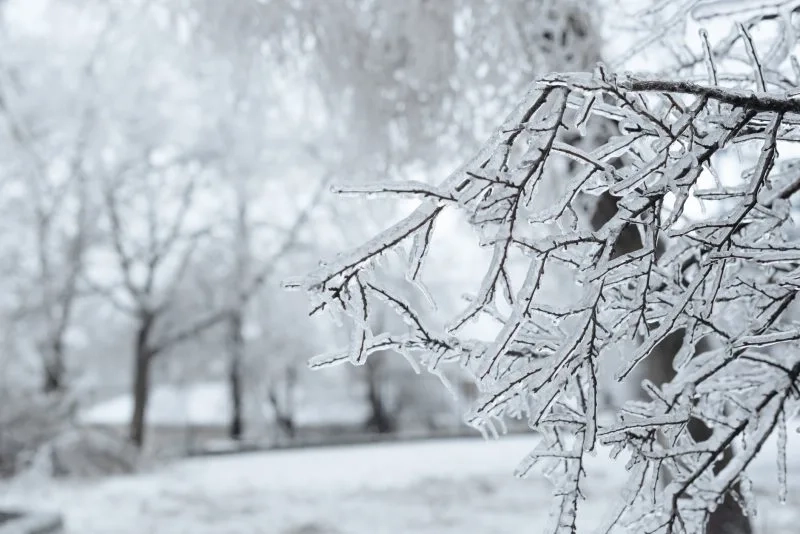
Photo credit: delcotimes.com
Why ice storms create more than “cold weather” problems
Oklahoma ice storms combine:
| Hazard | HVAC Impact |
|---|---|
| Freezing rain and ice load | Coil damage, panel stress |
| Wind-driven moisture | Water intrusion into equipment |
| Power disruptions | Unstable restarts, motor stress |
| Freeze-thaw cycles | Cracks pipes and weak points |
The HVAC damage isn’t always obvious immediately. Many failures show up during restart: frozen drains, cracked coils, split piping, and electrical issues after moisture intrusion.
Step 1: Safety and access (before touching equipment)
Ice storm recovery starts with safe access:
Pre-Inspection Safety Checklist
| Check | Action If Unsafe |
|---|---|
| Roof access safe? | Wait for ice to clear |
| LOTO policies followed? | Do not proceed without |
| Qualified for electrical? | Don’t open panels |
| Gas smell or vent blockage? | Follow emergency protocol |
- confirm roof access is safe (ice + wind risk)
- follow lockout/tagout policies
- avoid opening energized panels if not qualified
- treat unknown electrical conditions as hazardous
If you have any suspicion of gas leaks or combustion vent blockage (for heated MAUs/boilers), follow your facility emergency protocol.
For broader escalation and dispatch workflows during active incidents, follow our 24/7 emergency HVAC response playbook.
Step 2: Triage priorities (what to check first)
Ice Storm HVAC Triage Sequence
| Priority | Check | Why First |
|---|---|---|
| 1 | Power stability | Everything depends on this |
| 2 | Freeze damage indicators | Prevents secondary damage |
| 3 | Critical area protection | Hospitals, servers, process |
| 4 | Flow and pump verification | Required before plant start |
| 5 | Rooftop equipment condition | Airflow and mechanical integrity |
Step 3: Common ice storm damage types (what we see most)
Ice Storm Damage Summary
| Damage Type | Location | Symptoms | Immediate Action |
|---|---|---|---|
| Frozen drains | RTUs, AHUs, MAUs | Water backup, overflow | Clear ice, verify heat trace |
| Burst piping | Rooftop, dead legs | Visible splits, water | Isolate, document for insurance |
| Coil/casing damage | RTUs | Bent fins, loose panels | Inspect before restart |
| Tower damage | Cooling towers | Frozen basin, damaged fill | Verify winterized before use |
Frozen drains and traps (RTUs, AHUs, MAUs)
Symptoms:
- water backing up in drain pans
- overflow and indoor leaks
- nuisance shutdowns or alarms
Why it happens:
- standing water in traps
- poor pitch or low spots that freeze
- heat trace failures
Action:
- clear ice safely
- verify drain pitch and trap function
- confirm heat trace where installed
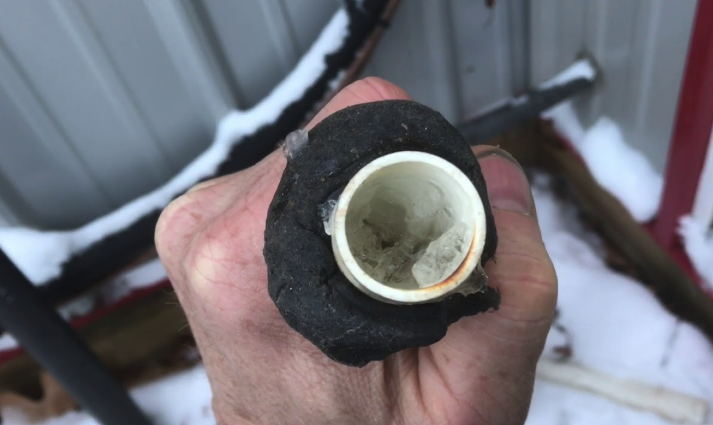
Burst piping and split fittings
Common locations:
- exposed rooftop piping
- mechanical room dead legs
- cooling tower lines (if not drained/winterized properly)
Action:
- isolate and depressurize safely
- document damage for insurance
- plan repairs before restarting pumps
RTU coil and casing damage (ice + wind + hail risk)
Potential issues:
- bent fins reducing airflow
- panels loosened by wind
- fan guards damaged
Action:
- inspect coil faces and airflow pathways
- secure loose panels before operation
Cooling tower winter damage (if applicable)
Common issues:
- frozen basin components
- damaged fill or drift eliminators
- pump issues from freeze conditions
Action:
- verify tower is truly winterized or safe to operate
- confirm no frozen sections remain before starting flow
Step 4: Safe thaw strategy (avoid making damage worse)
The fastest way to increase repair cost is aggressive thawing that cracks components or floods indoor spaces.
Safe Thaw Guidelines
| Do | Don’t |
|---|---|
| Thaw slowly | Use open flames near equipment |
| Confirm drainage before melting | Melt ice with no drain path |
| Evaluate before restarting | Start fans/pumps with ice present |
Critical Warning: If you suspect coils have frozen and split, do not restart fans or pumps until evaluated—moving air or water can spread damage.
Step 5: Plant restart (chillers, boilers, pumps) — the “flow first” rule
Before starting major equipment:
Plant Restart Checklist
| System | Pre-Start Verification |
|---|---|
| Pumps | Operational, not in fault |
| Valves | Open and configured correctly |
| Strainers | Not blocked with debris or ice |
| Flow proof | Conditions verified |
| Combustion air | Pathways clear (boilers) |
Chiller plants
Post-storm, many “low pressure” and “freeze protection” trips are flow-related. Ensure water-side conditions are stable before starting chillers.
Boiler plants
Confirm combustion air and exhaust pathways are clear and safe. Do not bypass safeties during cold-weather urgency.
Step 6: Rooftop unit restart checklist (RTUs/MAUs/AHUs)
RTU Restart Checklist
| Check | Action |
|---|---|
| Ice/debris blocking airflow | Remove safely |
| Drains clear | Verify flow |
| Panels secured | Tighten or repair |
| Fan rotation and belts | Inspect before start |
| Economizer dampers | Verify not stuck |
| Startup sequence | Controlled, not all at once |
Then bring units online in a controlled sequence to avoid large inrush and instability, especially if power is still recovering.
Step 7: Insurance and documentation (do this early)
Insurance claims go smoother when you document early:
Insurance Documentation Checklist
| Document | Details |
|---|---|
| Photos of damage | Before cleanup begins |
| Date/time notes | Weather event timeline |
| Equipment list | Affected systems and locations |
| Emergency actions | What was done, when |
| Repair estimates | As available |
Pro Tip: Documenting is not bureaucracy—it’s risk control.
Oklahoma-specific best practices (what helps next time)
Pre-Season Winterization Checklist
| Task | Timing |
|---|---|
| Winterize drains and exposed piping | Before ice season |
| Verify heat trace function | Fall PM |
| Create post-storm checklist | Before storm season |
| Stage critical spares | Before winter |
Decision guidance: when to call for professional support
Call for professional support when:
- you suspect freeze damage to coils or piping
- electrical issues occurred during power restoration
- equipment trips repeatedly after restart
- critical areas cannot hold safe conditions
Need HVAC recovery support after an Oklahoma ice storm?
Total Mechanical Services supports commercial HVAC recovery, troubleshooting, and repair coordination across Oklahoma. Call (405) 223-9900 or request a proposal.
If post-storm findings include pressure-boundary concerns in boiler equipment, plan verification using our boiler hydrostatic testing guide.
Disclaimer: This guide is informational. Ice storm recovery involves electrical hazards, fall hazards, combustion systems, and pressurized piping. Always follow facility safety policies, OEM procedures, and qualified professional guidance.
Related Resources
Protecting Commercial HVAC From Oklahoma Heat Domes: High-Ambient Strategy, Coil Cleaning, and Load Management
A practical Oklahoma guide to surviving heat domes: high-ambient chiller/RTU performance, coil cleaning cadence, tower readiness, demand management, and emergency cooling planning.
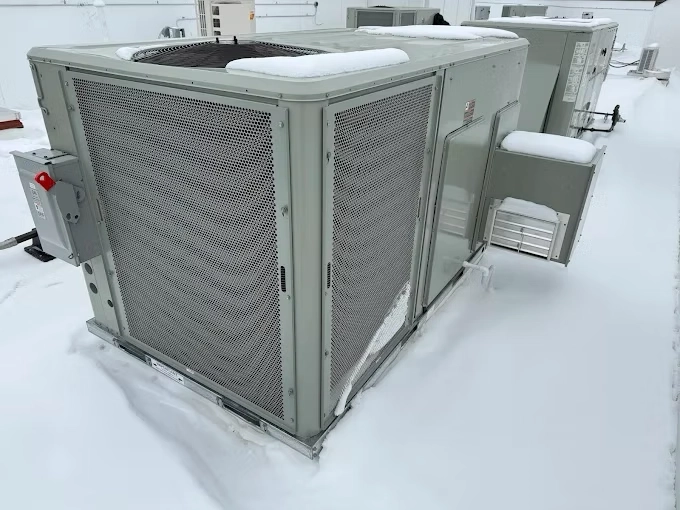
RTU Winterization Checklist for Oklahoma Ice Storms: Freeze Protection, Hail Risk, and Start-Up
A practical rooftop unit winterization checklist for Oklahoma facilities: freeze protection, condensate and economizer checks, hail prep, and post-storm start-up steps.
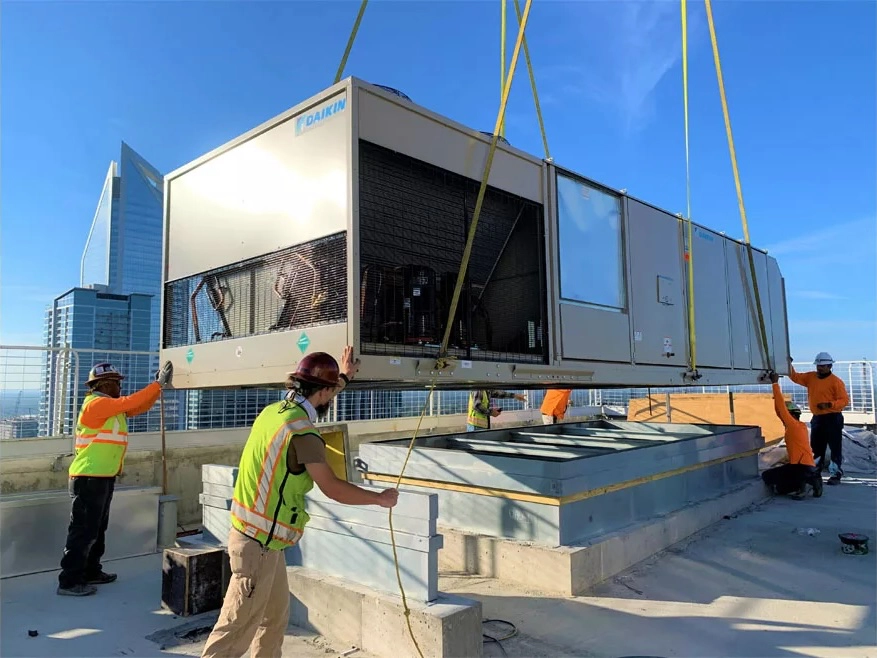
Commercial HVAC Retrofit ROI in Oklahoma: How to Calculate Payback, NPV, and Risk (Facility + CFO Guide)
A practical framework for Oklahoma facilities to calculate HVAC retrofit ROI: baseline energy, maintenance and downtime costs, incentives, simple payback vs NPV, and risk-adjusted decisions.
Need Help with Your System?
Our expert team is ready to assist with design, installation, maintenance, and troubleshooting.