Cooling Tower Maintenance and Legionella Prevention in Oklahoma: A Practical Facility Playbook
A practical Oklahoma guide for cooling tower maintenance and Legionella risk reduction: what to monitor, how to document, and how to avoid the failures that lead to outbreaks.
Cooling Tower Maintenance and Legionella Prevention in Oklahoma: A Practical Facility Playbook
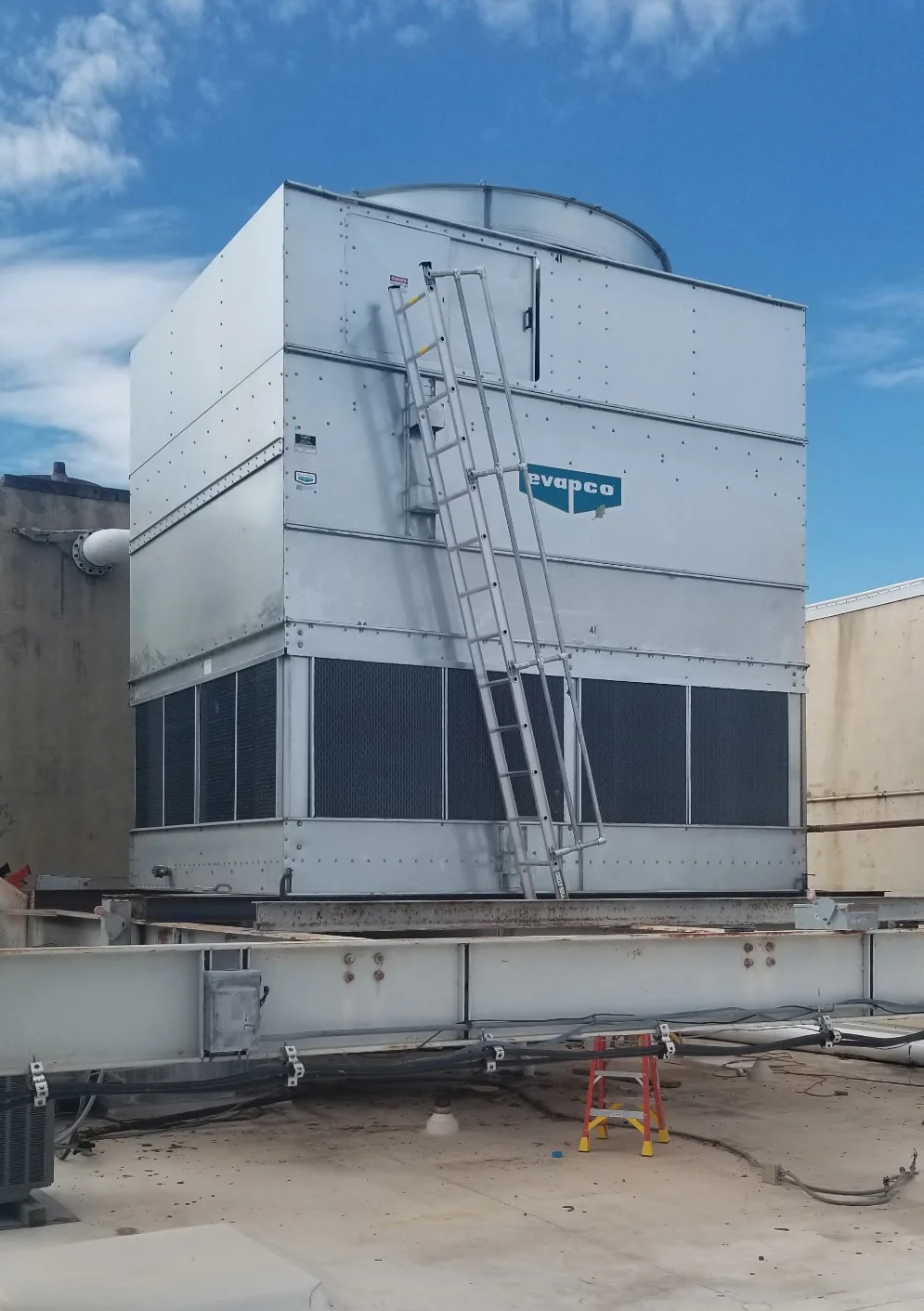
Cooling towers are essential to many Oklahoma chiller plants—but they’re also one of the most misunderstood pieces of equipment on the property. From an operational perspective, a tower is your heat rejection engine. From a risk perspective, it’s a warm-water system that can support biological growth if not managed correctly. Legionella prevention isn’t about panic; it’s about disciplined maintenance, stable water chemistry, and documentation. This guide lays out a practical playbook facility teams can use to reduce risk, protect performance, and keep cooling stable through Oklahoma’s long summer season.
Quick Answer: How do you reduce Legionella risk in a cooling tower?
Reduce Legionella risk by maintaining consistent water treatment (biocide and scale/corrosion control), keeping the tower clean (basin hygiene, fill inspection, drift eliminators), preventing stagnant water conditions, and documenting a Legionella management program aligned with industry guidance (commonly referenced: ASHRAE 188). The most common failures are inconsistent chemical control, poor housekeeping, and lack of documented procedures.
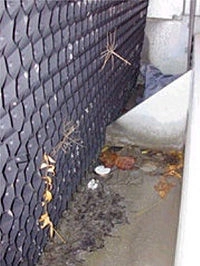
Photo credit: airsolutioncompany.com
Why Oklahoma cooling towers need extra discipline
Oklahoma tower systems often operate in conditions that amplify risk and maintenance demand:
| Factor | Oklahoma Challenge | Impact on Tower Operations |
|---|---|---|
| Operating Season | Long summer (May-September) | Extended exposure to growth conditions |
| Ambient Temperature | Sustained 95-105°F heat | Elevated water temperatures |
| Wind/Dust | Frequent high wind days | Debris loading, increased fouling |
| Staffing | Limited weekend/night coverage | “We’ll check it later” becomes weeks |
| Weather Events | Ice storms, severe storms | Startup/shutdown risk periods |
None of these factors guarantee a problem. But they do mean the “set it and forget it” approach doesn’t work.
What Legionella risk looks like in real operations
Legionella concerns are typically tied to:
| Risk Factor | Why It Matters | Control Strategy |
|---|---|---|
| Warm water temperatures (77-113°F) | Optimal growth range | Monitor temperatures, maintain biocide levels |
| Nutrient availability | Biofilm feeds bacterial growth | Regular cleaning, basin hygiene |
| Inadequate biocide control | Allows colonization | Consistent chemical feed, testing |
| Stagnation or low flow zones | Creates protected areas | Verify flow, eliminate dead legs |
| Aerosolization | Transmission pathway | Drift eliminator maintenance |
The best prevention strategy is to remove the conditions that allow biofilm growth and maintain stable control.
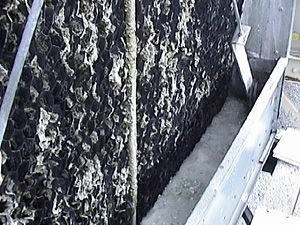
Photo credit: airsolutioncompany.com
The performance link: why maintenance is not just “compliance”
Even if you ignore public health risk, poor tower maintenance causes:
| Neglected Maintenance | Performance Impact | Cost Impact |
|---|---|---|
| Fouled fill media | Reduced heat transfer | 5-15% efficiency loss |
| Scale buildup | Higher approach temperatures | Increased chiller energy use |
| Basin sludge | Tube fouling downstream | Condenser cleaning costs |
| Damaged drift eliminators | Increased water loss | Higher makeup water costs |
| Algae/biofilm growth | Reduced airflow, blocked nozzles | Capacity reduction |
Chiller Approach Temperature (°F)
Saved 5 °F
In other words: the same discipline that reduces Legionella risk also improves performance and reliability.
That same condenser-side discipline is central to chiller tube cleaning performance in Oklahoma and long-term air-cooled vs water-cooled chiller decisions.
A practical Oklahoma tower maintenance program (what we recommend)
1) Water treatment program fundamentals
A tower water program typically manages three things:
| Program Element | Purpose | Facility Check |
|---|---|---|
| Scale control | Prevent mineral deposits | Chemical feed operational |
| Corrosion control | Protect metal components | Coupon testing, visual inspection |
| Biological control | Prevent microbial growth | Biocide levels, bacteria testing |
Practical facility-side checks:
- verify chemical feed is operational (not empty, not bypassed)
- confirm blowdown and conductivity control works
- review logs for consistency (gaps matter)
2) Basin and fill housekeeping
| Task | Frequency | Why It Matters |
|---|---|---|
| Basin visual inspection | Weekly | Early detection of sludge/debris |
| Debris removal | As needed (often weekly) | Reduces nutrient load |
| Basin cleaning | Quarterly or as needed | Removes accumulated sediment |
| Fill media inspection | Monthly visual, detailed quarterly | Identifies biofilm, damage |
| Strainer cleaning | Weekly | Prevents flow restrictions |
This is not “cosmetic.” Basin sludge is a biological and performance problem.
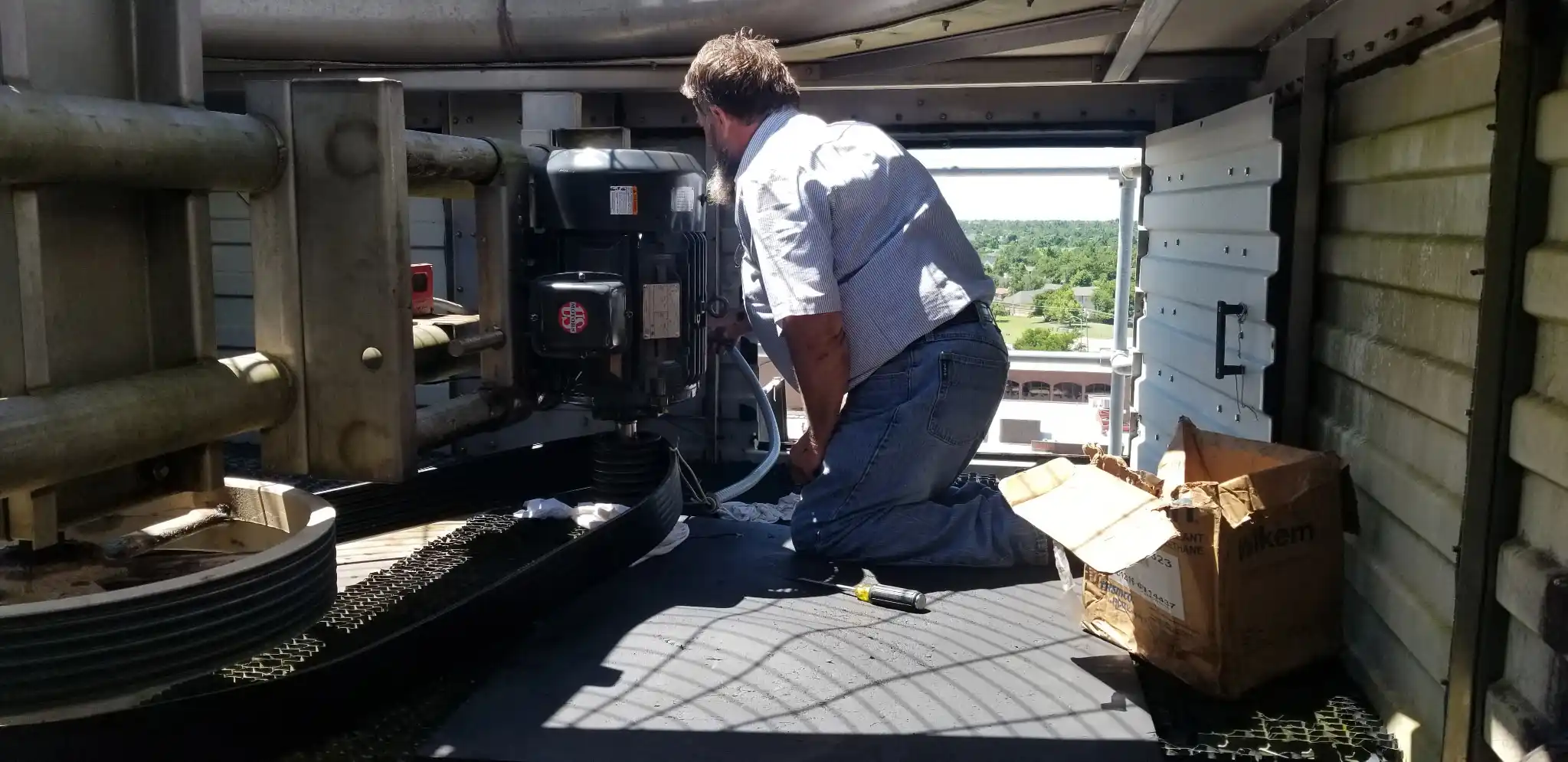
3) Drift eliminators and airflow management
Drift eliminators reduce aerosol carryover and improve system behavior.
| Component | Inspection Focus | Failure Consequence |
|---|---|---|
| Drift eliminators | Damage, missing sections, gaps | Increased aerosol release |
| Fan motor/blades | Vibration, balance, rotation | Reduced airflow, noise |
| Louvers/screens | Damage, blockage | Debris intrusion, reduced airflow |
| Air seals | Gaps at casing joints | Short-circuiting, reduced capacity |
4) Pumping and flow verification
Stagnation is an enemy of control.
| Flow Check | Method | Concern If Abnormal |
|---|---|---|
| Condenser water flow | GPM reading, pump amps | Reduced heat rejection |
| Tower distribution | Visual spray pattern | Dry spots, uneven cooling |
| Strainer DP | Gauge reading if available | Flow restriction |
| Pump staging | Control sequence review | Dead legs, stagnation |
5) Seasonal start-up and shutdown procedures
Start-up and shutdown are high-risk moments for “stagnant water” and inconsistent chemistry.
| Phase | Key Actions |
|---|---|
| Pre-startup | Clean basin, inspect fill, verify chemical feed |
| Startup | Stabilize chemistry before full operation, test biocide levels |
| Seasonal operation | Maintain consistent chemical program, document weekly |
| Pre-shutdown | Coordinate with water treatment provider |
| Shutdown | Drain or treat per facility protocol, protect from debris |
Testing frequency and documentation (how to think about it)
The right testing and documentation approach depends on facility type and risk profile:
| Facility Type | Chemistry Testing | Bacteria Testing | Documentation Level |
|---|---|---|---|
| Healthcare | Weekly minimum | Monthly or per risk assessment | Full ASHRAE 188 program |
| Hospitality (large hotels) | Weekly minimum | Quarterly minimum | Written management plan |
| Industrial/Commercial | Weekly to bi-weekly | Quarterly or semi-annual | Basic log + corrective actions |
| Low-risk/Small systems | Bi-weekly | Semi-annual | Simple log documentation |
Practical documentation should answer:
- who checks the tower and how often
- what parameters are tested (chemistry and biological control)
- what corrective actions are taken when out of spec
- what cleanings or maintenance events occurred
If you ever have to demonstrate “due diligence,” documentation is the difference between a program and a hope.
Legionella Control Failures Per Year
Saved 3
Common failure modes (what to prevent)
| Failure Mode | How It Happens | Prevention Strategy |
|---|---|---|
| Chemical feed interruption | Empty drums, pump failure, bypassed | Weekly feed verification, alarms |
| Blowdown disabled | “Temporary” adjustment forgotten | Regular control sequence review |
| Basin sludge accumulation | Skipped cleaning cycles | Scheduled cleaning, weekly inspection |
| Tower cleaning skipped | Cooling demand too high to take offline | Plan cleaning before peak season |
| Damaged drift eliminators | Storm damage, age, improper access | Visual inspection after storms, seasonal |
| Weak provider coordination | Mechanical team and water treatment not talking | Joint quarterly reviews |
Oklahoma-specific operational notes
During peak heat, towers run hard and small issues become big fast:
| Summer Challenge | Warning Signs | Proactive Action |
|---|---|---|
| High approach temperatures | Chiller head pressure rising | Check fill cleanliness, water distribution |
| Accelerated biofilm/scale | Chemistry parameters drifting | Increase monitoring frequency |
| Fan motor stress | Higher amp draw, unusual noise | Check belts, bearings, motor condition |
| Water loss | Makeup exceeding normal | Check for leaks, verify blowdown control |
Plan maintenance early in the season so you’re not forced to do major work during the hottest weeks.
For first-hour triage when these issues become active alarms, use our 24/7 emergency HVAC response guide.
When to call for professional support
You should involve qualified professionals when:
| Situation | Why Professional Help |
|---|---|
| Repeated high head pressure events | May indicate tube fouling or tower issues |
| Approach trending worse over time | Systematic diagnosis needed |
| Suspected tube fouling | Cleaning coordination required |
| Fill/eliminator replacement | Proper sizing and installation critical |
| Formalizing a management program | Risk assessment and documentation expertise |
Need help stabilizing tower performance and reducing risk?
Total Mechanical Services supports cooling tower maintenance coordination, chiller performance diagnosis, and facility reliability planning across Oklahoma. Call (405) 223-9900 or request a proposal.
Disclaimer: This guide is informational and does not replace regulatory guidance, OEM procedures, or site-specific risk assessment. Cooling tower programs should be managed by qualified personnel and appropriate professionals.
Related Resources
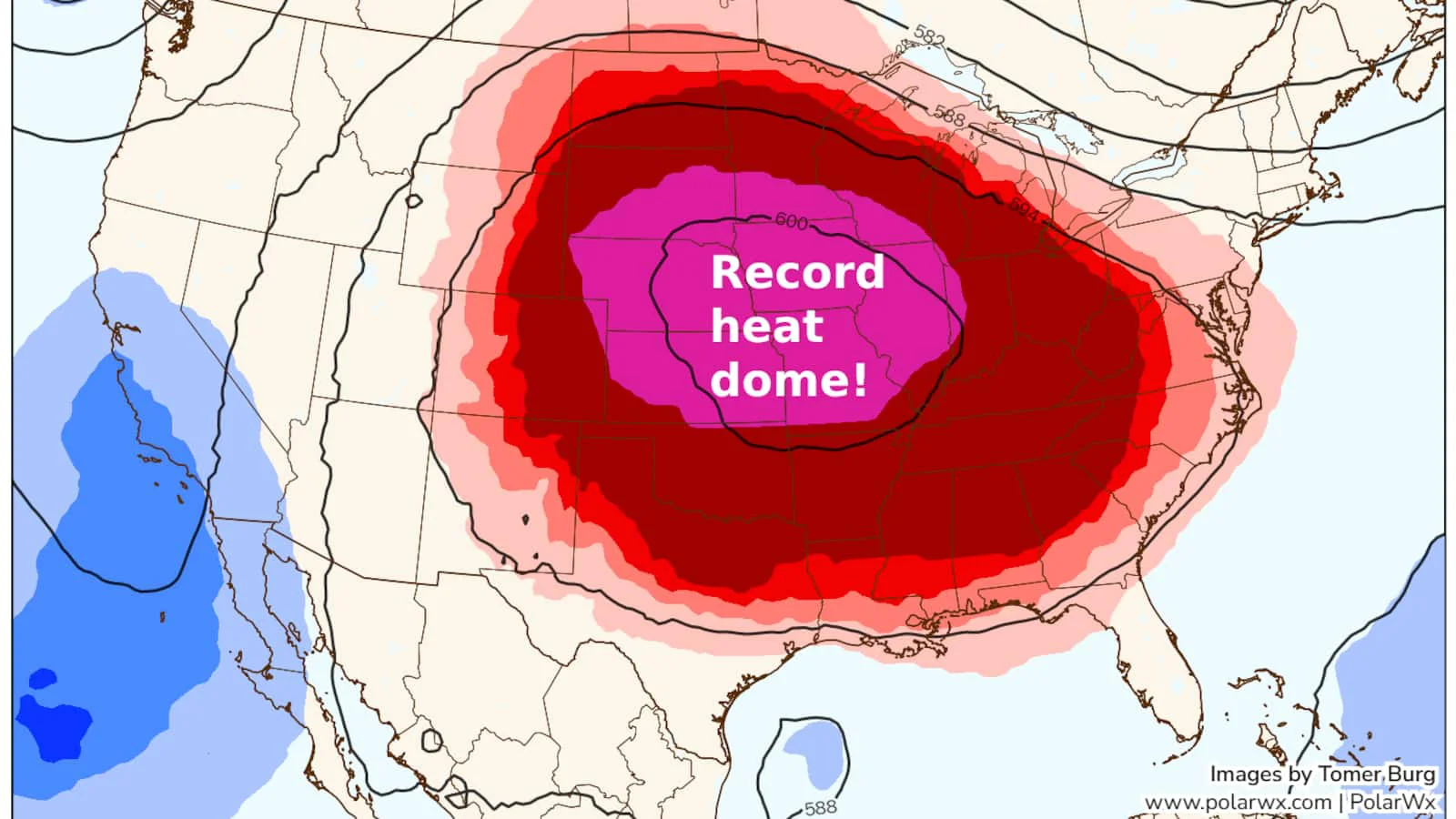
Protecting Commercial HVAC From Oklahoma Heat Domes: High-Ambient Strategy, Coil Cleaning, and Load Management
A practical Oklahoma guide to surviving heat domes: high-ambient chiller/RTU performance, coil cleaning cadence, tower readiness, demand management, and emergency cooling planning.
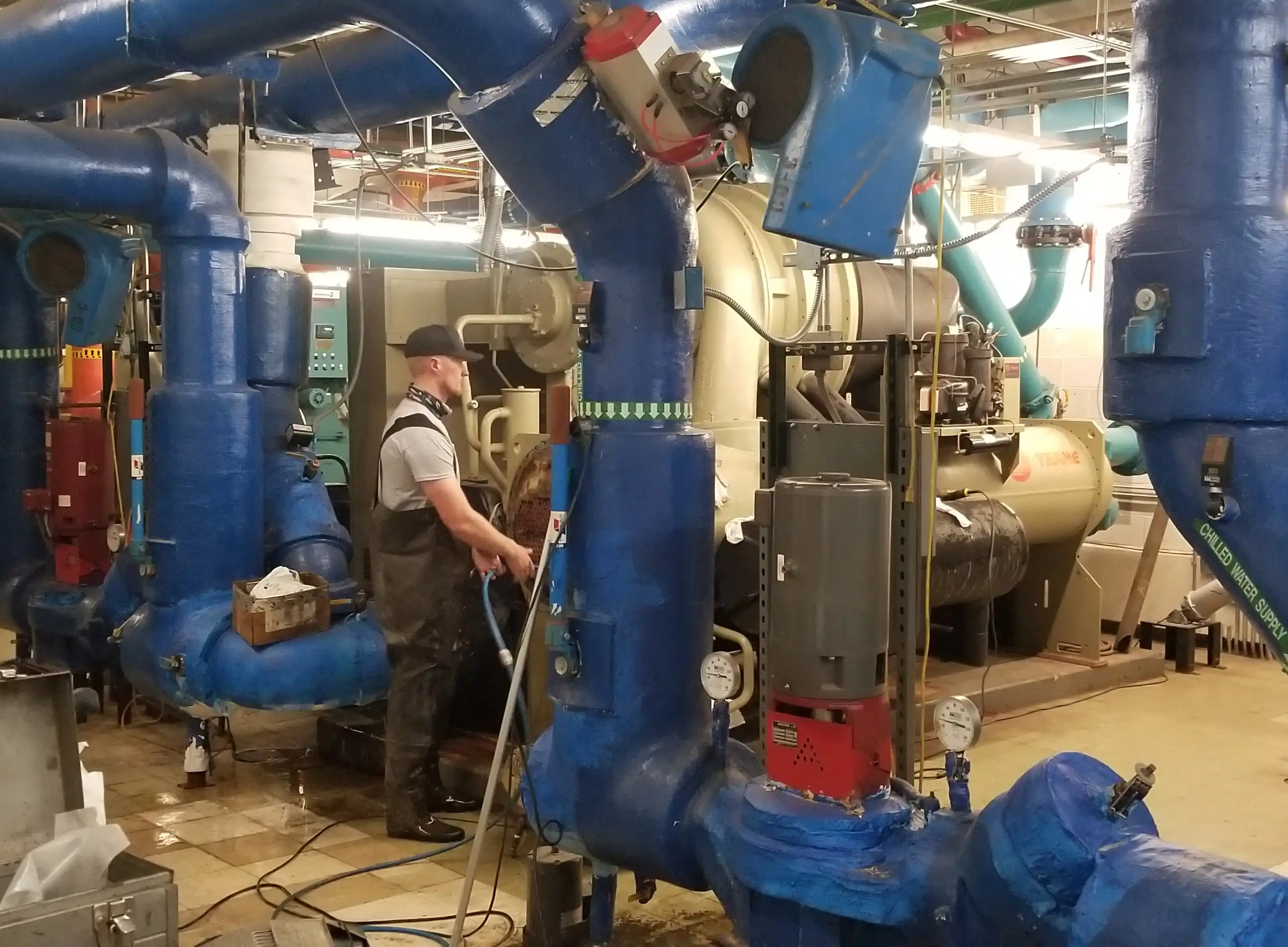
Commercial Chiller Tube Cleaning in Oklahoma: Frequency, Methods, and Hard-Water Reality
A field-practical guide to chiller tube cleaning for Oklahoma facilities: how hard water and tower chemistry affect efficiency, how often to clean, and what methods work.

Oklahoma Ice Storm HVAC Recovery: Freeze Damage Triage, RTU/Chiller Plant Checks, and Safe Restart
A practical Oklahoma guide to recovering HVAC after ice storms: pre-storm prep, freeze damage triage, thaw and restart strategy, and documentation for insurance and risk control.
Need Help with Your System?
Our expert team is ready to assist with design, installation, maintenance, and troubleshooting.