24/7 Emergency HVAC Response in Oklahoma: What to Do in the First 60 Minutes
A practical, Oklahoma-specific emergency HVAC response playbook for facility teams: triage steps, what info to gather, expected timelines, and when to deploy backup cooling.
24/7 Emergency HVAC Response in Oklahoma: What to Do in the First 60 Minutes
When commercial HVAC fails, your first job isn’t “fix the machine”—it’s protect people, protect equipment, and protect the operation. In Oklahoma, emergencies are often weather-driven (100°F+ heat weeks, ice storms) and time-sensitive (hospitals, data centers, industrial process). This guide is a step-by-step playbook for the first hour: what to check safely, what information speeds up repairs, and how to make smart decisions about backup cooling and escalation.
Quick Answer (First 60 minutes)
In the first hour of an HVAC emergency, focus on safety and stability: confirm the failure type (cooling/heating/ventilation), protect critical areas (ORs, server rooms, process), gather trend data (alarms, temps, pressures if available), and stop repeated resets that damage equipment. Call for service early with the right details so the dispatcher can send the correct crew, parts, and plan—including rental chillers if needed.
Why HVAC emergencies in Oklahoma are different
Most “emergency HVAC” advice online is generic. Oklahoma facilities live with some specific realities:
- High ambient summer weeks compress your margin of error. Condenser performance matters more, and trips happen faster.
- Wind-driven dust and cottonwood load coils and filters quickly, especially on air-cooled chillers and rooftop equipment.
- Ice storms create freeze damage risk and can block combustion air or drain paths.
- Many facilities operate with lean staffing after hours—meaning your response needs to be repeatable and safe.
The goal is a response plan that works at 2 PM in July and 2 AM in February.
| Oklahoma Challenge | Impact on HVAC Systems | Emergency Response Consideration |
|---|---|---|
| 100°F+ heat weeks | Higher head pressure, reduced capacity | Monitor condenser approach, have rental plan ready |
| Dust and cottonwood | Fouled coils, reduced airflow | Keep coil cleaning supplies accessible |
| Ice storms | Freeze damage, combustion blockage | Freeze protection verification, drain checks |
| Severe thunderstorms | Power surges, equipment trips | UPS for controls, surge protection |
| Lean overnight staffing | Delayed response capability | Pre-planned emergency procedures |
Step 1: Classify the emergency (so you respond correctly)
Use this quick classification:
| Emergency Type | Common Triggers | Primary Risks | Urgency Level |
|---|---|---|---|
| Cooling | Chiller lockout, AHU failure, server room overheating | Patient safety, IT downtime, process interruption | Critical in summer |
| Heating | Boiler lockout, heat exchanger failure, no hot water | Frozen pipes, building damage, life safety | Critical in winter |
| Ventilation/Pressurization | OR pressure failure, exhaust fans down, MAU failure | Infection control, code compliance, air quality | Critical always |
Cooling emergency
Common triggers:
- chiller lockout / no chilled water
- critical AHU not cooling
- server room overheating
Primary risks:
- patient safety / process interruption / IT downtime
- humidity excursions (especially in healthcare)
Heating emergency
Common triggers:
- boiler lockout / no hot water or steam
- failed heat exchangers
- freeze risk in perimeter zones
Primary risks:
- frozen pipes and building damage
- life safety depending on occupancy and mission
Ventilation / pressurization emergency
Common triggers:
- OR or isolation room pressure failure
- exhaust fans down
- make-up air unit failures in kitchens/industrial
Primary risks:
- infection control, code compliance, smoke control, indoor air quality
Step 2: Stabilize the building (before you chase alarms)
In a true emergency, you’re buying time.
| Emergency Type | Immediate Stabilization Actions | Time to Act |
|---|---|---|
| Cooling | Move occupants, shed load, prioritize critical AHUs, stage backup | Under 30 minutes |
| Heating | Verify freeze stats, maintain circulation, isolate vulnerable areas | Under 15 minutes in freeze conditions |
| Ventilation | Maintain pressure relationships, coordinate with safety teams | Immediately |
Cooling stabilization options
- Move occupants away from overheated zones if possible
- Shed load: reduce internal heat (lighting, process loads, non-essential equipment)
- Prioritize critical AHUs (server room, imaging, OR, pharmacy, control rooms)
- If you have redundancy, stage backup equipment (secondary chiller, backup DX, emergency CRAC)
Heating stabilization options
- Protect against freeze: verify freeze stats, keep circulation moving, isolate vulnerable areas
- If you have multiple boilers, re-sequence to keep at least one stable unit online
- Consider temporary heat in limited areas only if safe and allowed by policy
Ventilation stabilization options
- Maintain pressure relationships in critical spaces (healthcare) using approved contingency procedures
- Coordinate with safety/infection-control teams
Step 3: Gather the data that makes repairs faster (15-minute checklist)
When you call for service, the right information turns a “maybe” dispatch into a “right crew, right parts” dispatch.
Collect these items
| Data Point | Why It Matters | Where to Find It |
|---|---|---|
| Equipment ID (make/model/serial) | Determines parts, expertise needed | Nameplate, BAS, equipment log |
| Alarm text and lockout status | Identifies failure mode | Control panel, BAS history |
| When it started | Helps identify trigger | Staff observation, BAS trends |
| Recent changes | May reveal cause | Maintenance log, BAS changes |
| Outside conditions | Affects diagnosis | Weather app, observation |
| CHW supply/return temps | Shows system state | BAS, local gauges |
| Condenser water temps | Tower plant health | BAS, tower gauges |
| Critical room temps/humidity | Defines urgency | BAS, portable monitors |
What not to do with data
Don’t cherry-pick one point. A single temperature reading without context often leads to the wrong assumption. A 15-minute trend is much more useful than one “snapshot.”
Step 4: Know when to stop resetting
We see this pattern a lot: a well-meaning team keeps clearing alarms to “get cooling back,” but the machine is tripping on a safety for a reason.
Use this rule:
- If it trips twice on the same safety in one shift, stop resetting and call.
| Action | Potential Consequence | Better Approach |
|---|---|---|
| Repeated compressor resets | Motor damage, starter failure | Stop after 2 trips, call service |
| Bypassing safeties | Equipment destruction, safety hazard | Never bypass—diagnose instead |
| Ignoring alarm history | Missing root cause | Review full alarm sequence |
| “Just get it running” mindset | Cascading failures | Protect equipment, plan repair |
Repeated starts can:
- damage compressors
- overheat starters
- create nuisance electrical failures
- turn a manageable problem into a major outage
Repair Cost
Saved $21,500 USD
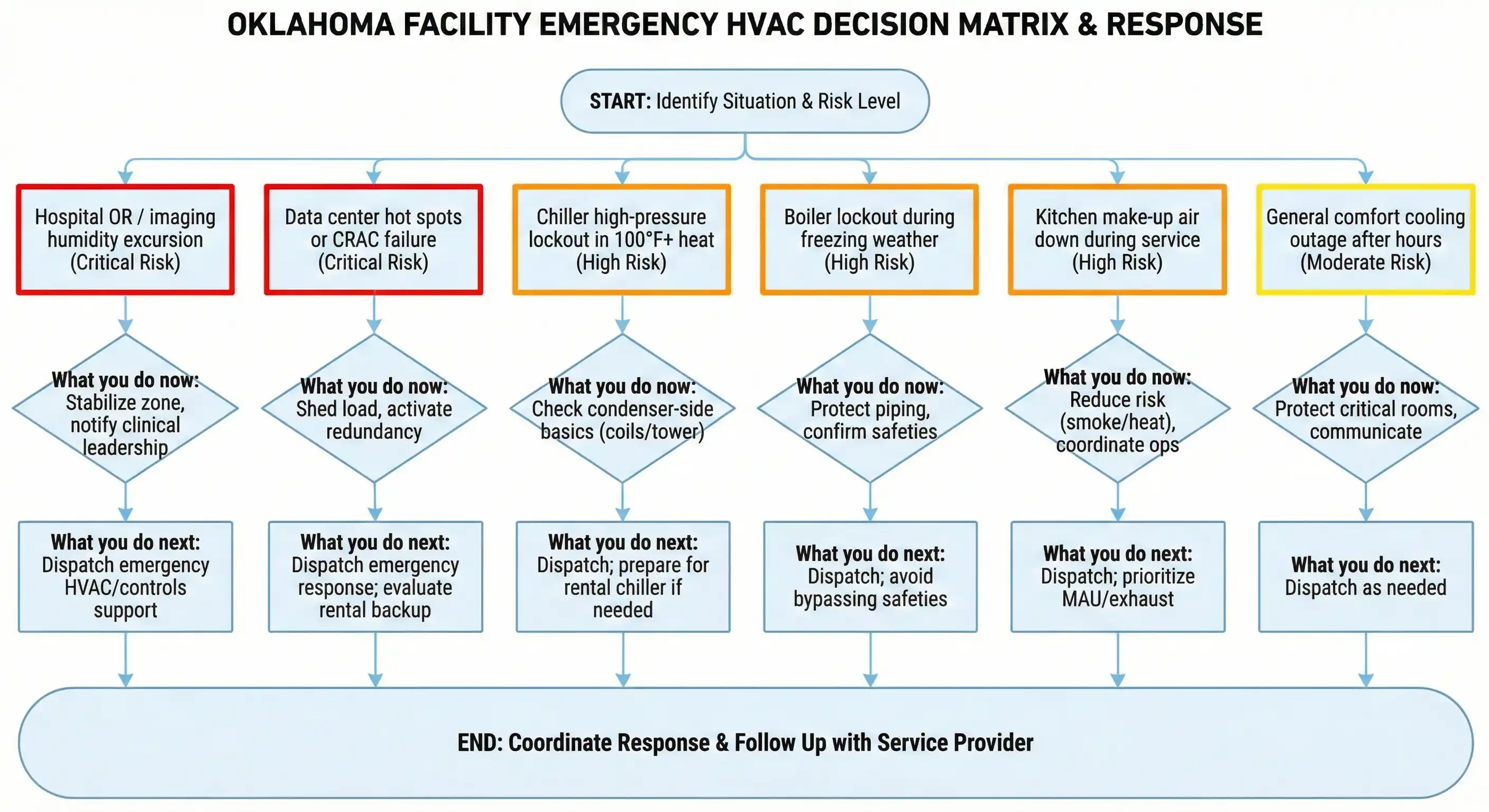
Step 5: Emergency decision matrix (Oklahoma facility playbook)
| Situation | Risk level | What you do now | What you do next |
|---|---|---|---|
| Hospital OR / imaging humidity excursion | Critical | Stabilize zone, notify clinical leadership | Dispatch emergency HVAC/controls support |
| Data center hot spots or CRAC failure | Critical | Shed load, activate redundancy | Dispatch emergency response; evaluate rental backup |
| Chiller high-pressure lockout in 100°F+ heat | High | Check condenser-side basics (coils/tower) | Dispatch; prepare for rental chiller if needed |
| Boiler lockout during freezing weather | High | Protect piping, confirm safeties | Dispatch; avoid bypassing safeties |
| Kitchen make-up air down during service | High | Reduce risk (smoke/heat), coordinate ops | Dispatch; prioritize MAU/exhaust |
| General comfort cooling outage after hours | Moderate | Protect critical rooms, communicate | Dispatch as needed |
Step 6: What to expect for response (realistic planning)
No contractor should promise “instant” on every scenario; the right promise is fast triage and clear escalation. Practical expectations depend on:
- time of day
- weather severity
- equipment complexity
- whether parts are specialized (controls boards, compressors, safeties)
| Factor | Faster Response | Slower Response |
|---|---|---|
| Time of day | Business hours | Overnight/weekend |
| Weather | Mild conditions | Extreme heat or ice storm |
| Equipment type | Common equipment, standard parts | Specialty systems, obsolete controls |
| Site readiness | Clear data, access ready | Unknown situation, access issues |
| Relationship | Existing service agreement | First-time call |
Your job as the facility team is to provide the data that allows the service team to show up ready.
If your downtime tolerance is low and parts timelines are uncertain, move directly into the planning steps in our emergency rental chiller guide for Oklahoma.
Step 7: When to consider rental chillers (and when not to)
Rental chillers aren’t just for conventions—they’re a practical tool when:
- repair time is uncertain
- parts lead time is days, not hours
- critical cooling cannot be interrupted
But rentals require:
- connection planning
- power planning
- hose routing and safety
- a plan for where heat will be rejected (air-cooled rental vs tower connection)
| Rental Decision Factor | Favor Rental | Favor Waiting for Repair |
|---|---|---|
| Downtime tolerance | Under 24 hours | Several days acceptable |
| Repair timeline | Unknown or over 24 hours | Clear same-day resolution |
| Critical load | Healthcare, IT, process | General comfort |
| Parts availability | OEM parts on backorder | Parts in stock |
| Cost sensitivity | Downtime cost exceeds rental | Rental exceeds downtime cost |
If you suspect you’re heading toward a multi-day outage, start the rental conversation early. Waiting until “the building is already hot” makes everything harder.
For summer-specific prevention before those outages happen, use Oklahoma heat dome HVAC protection guidance; for winter events, use ice storm HVAC recovery procedures.
Oklahoma-specific checklist: what we look for during peak events
During Oklahoma heat events and windy weeks, emergency calls often involve:
- coil loading on air-cooled chillers and RTUs
- tower staging issues or chemistry drift on water-cooled plants
- BAS sequences that work in mild weather but fail at peak load
- dirty strainers reducing flow and triggering low-pressure trips
During winter storms, emergency calls often involve:
- freeze protection failures (drains, piping, glycol)
- combustion air or exhaust issues
- power disruptions and restart problems
| Season | Common Emergency Causes | Prevention Focus |
|---|---|---|
| Summer (June-Aug) | High head pressure, coil fouling, tower chemistry | Pre-season coil cleaning, chemistry program |
| Spring/Fall | Changeover issues, economizer failures | Seasonal commissioning |
| Winter (Dec-Feb) | Freeze damage, boiler lockouts, combustion issues | Freeze protection verification, fall prep |
| Storm season | Power surges, equipment trips, physical damage | Surge protection, post-storm inspections |
Need emergency HVAC support in Oklahoma?
Total Mechanical Services provides commercial HVAC emergency response and troubleshooting. Call (405) 223-9900 or request a proposal.
Disclaimer: This guide is informational. HVAC emergencies can involve high-voltage equipment, pressurized refrigerants, combustion systems, and life-safety considerations. Always follow your site’s safety policies and OEM procedures.
Related Resources
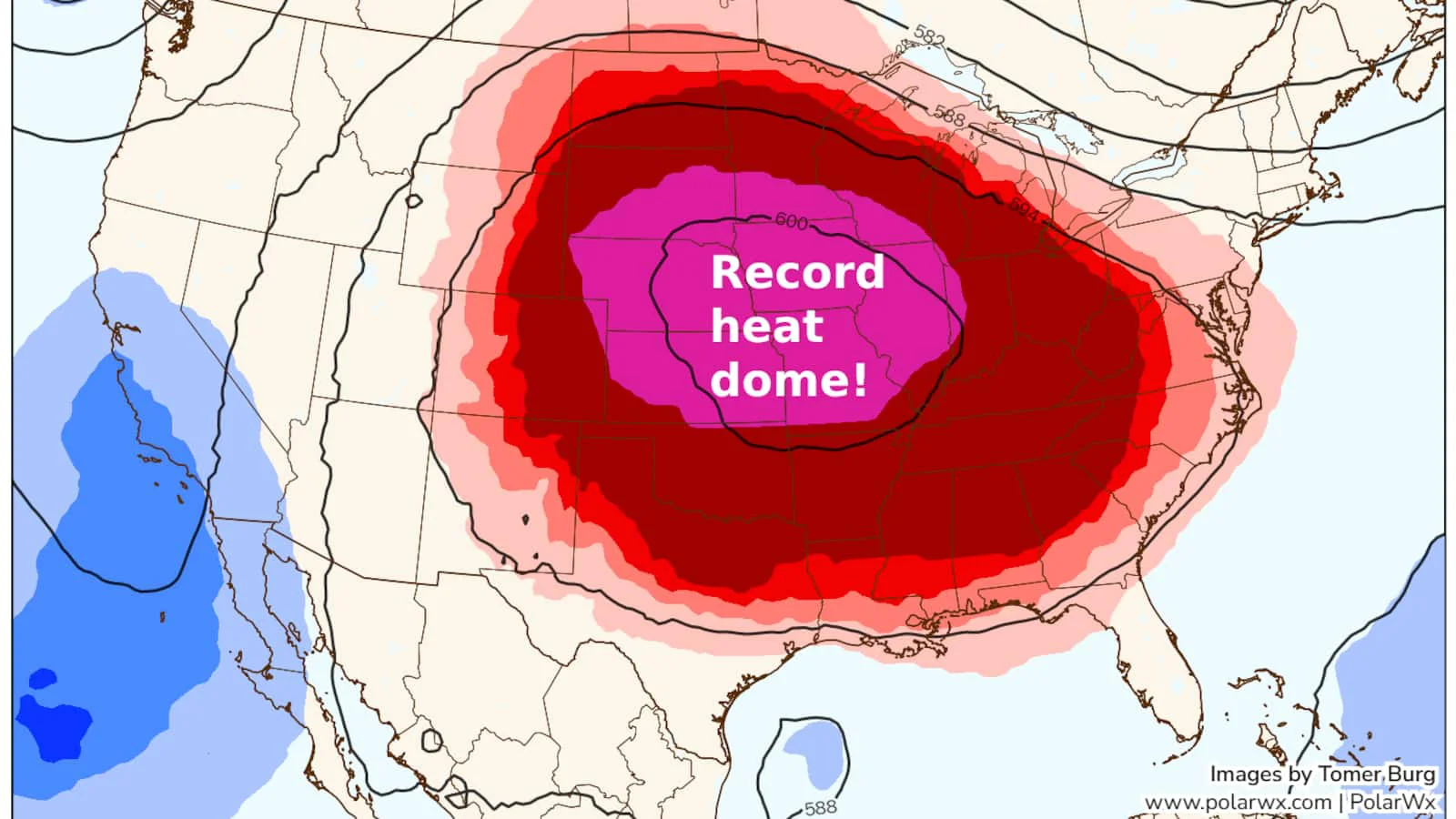
Protecting Commercial HVAC From Oklahoma Heat Domes: High-Ambient Strategy, Coil Cleaning, and Load Management
A practical Oklahoma guide to surviving heat domes: high-ambient chiller/RTU performance, coil cleaning cadence, tower readiness, demand management, and emergency cooling planning.
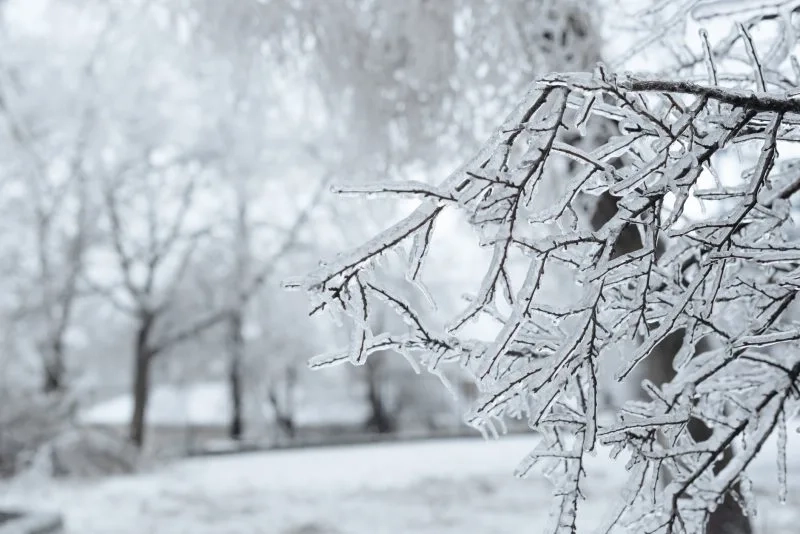
Oklahoma Ice Storm HVAC Recovery: Freeze Damage Triage, RTU/Chiller Plant Checks, and Safe Restart
A practical Oklahoma guide to recovering HVAC after ice storms: pre-storm prep, freeze damage triage, thaw and restart strategy, and documentation for insurance and risk control.
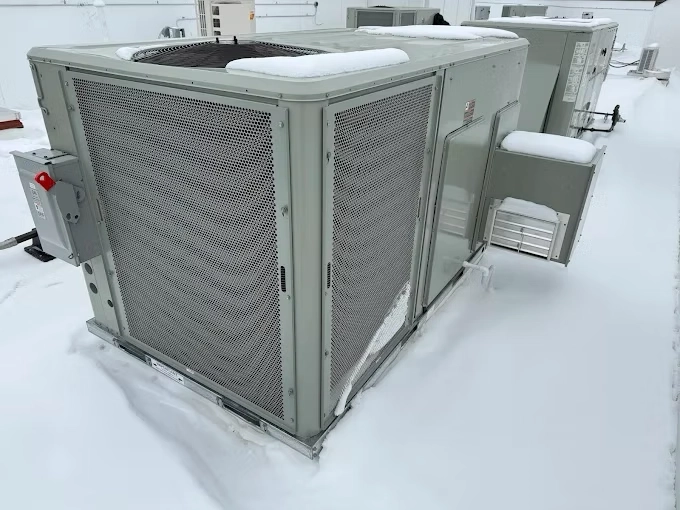
RTU Winterization Checklist for Oklahoma Ice Storms: Freeze Protection, Hail Risk, and Start-Up
A practical rooftop unit winterization checklist for Oklahoma facilities: freeze protection, condensate and economizer checks, hail prep, and post-storm start-up steps.
Need Help with Your System?
Our expert team is ready to assist with design, installation, maintenance, and troubleshooting.