Commercial HVAC for Tinker AFB Contractors (Midwest City): Secure-Site Readiness, Fast Response, and Compliance
A practical guide for contractors and facility teams supporting Tinker AFB-adjacent operations: secure-site HVAC support expectations, documentation, response planning, and uptime strategy.
Commercial HVAC for Tinker AFB Contractors (Midwest City): Secure-Site Readiness, Fast Response, and Compliance
Quick Answer
Why this page exists (local + operational reality)
Facilities and contractors supporting Tinker AFB-adjacent work often have requirements that generic commercial HVAC providers aren’t set up for:
| Requirement | Why It Matters |
|---|---|
| Controlled access | Scheduling constraints, escort needs |
| Documentation | Compliance verification, audit trail |
| Higher downtime stakes | Mission impact, contract impact |
| Limited improvisation | Need planned emergency workflows |
This guide is intended for facility teams and contractors who need reliable commercial HVAC support in the Midwest City / Del City / OKC metro area.
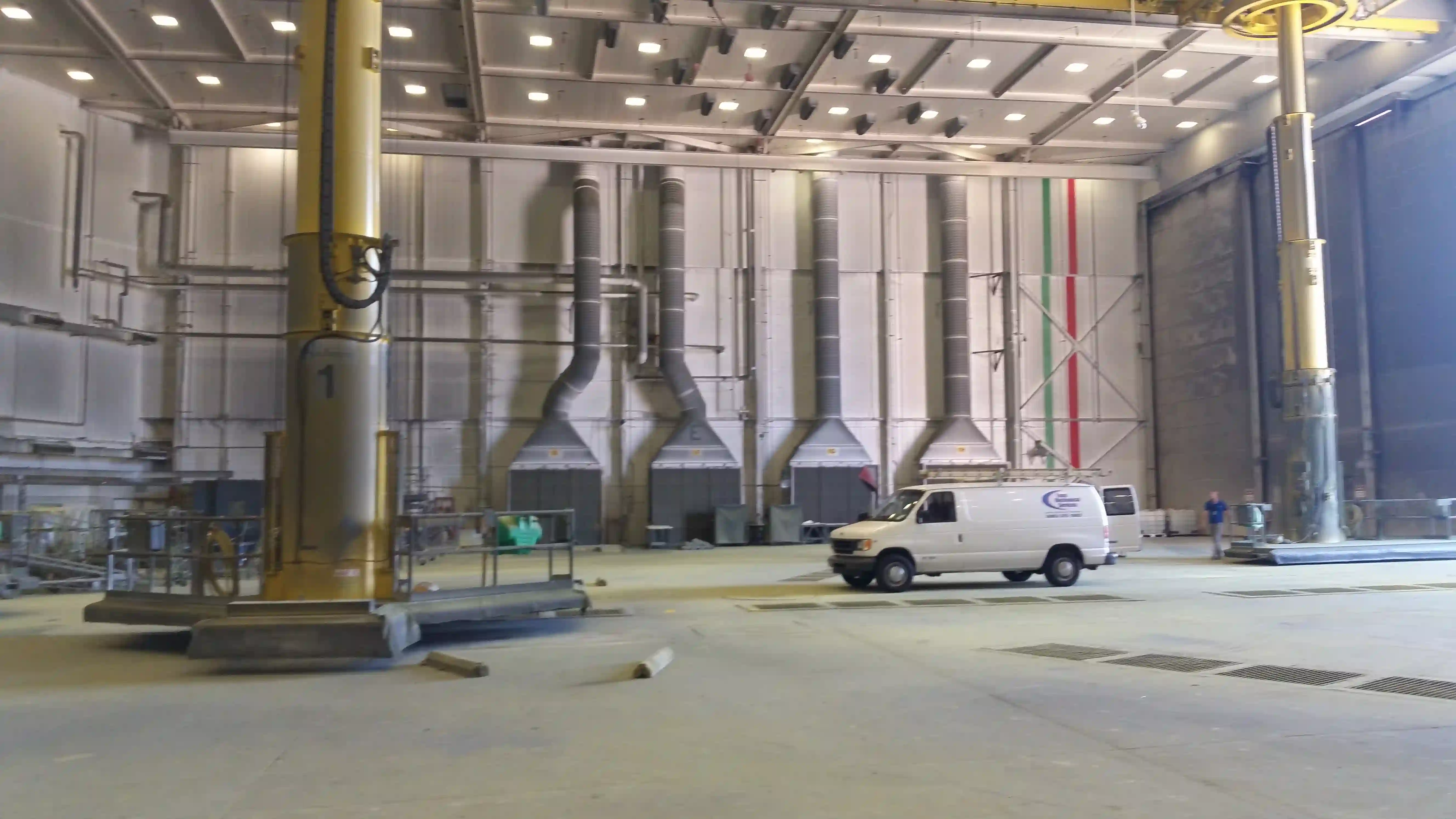
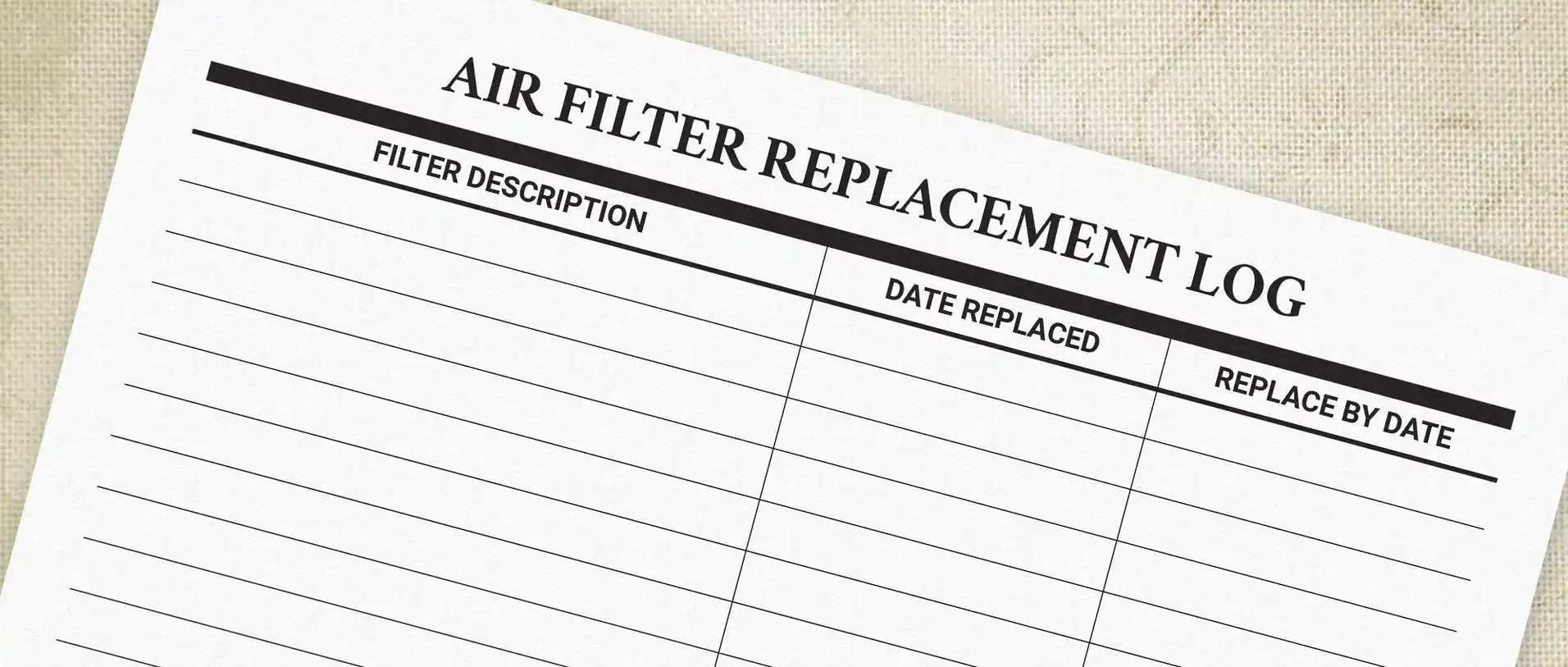
For a real-world example of these constraints in action, see our Tinker AFB hangar access platform controls case study.
What “secure-site readiness” means for HVAC work
Secure-site readiness isn’t a slogan—it’s operational discipline:
Secure-Site HVAC Readiness Checklist
| Element | What’s Required | Why |
|---|---|---|
| Points of contact | Named, verified, current | Fast escalation |
| Access procedures | Documented, practiced | No delays |
| Equipment lists | Model/serial, location | Rapid diagnosis |
| Reporting format | Client-approved template | Compliance |
| Safety programs | Aligned with requirements | Site access |
When the chiller is down in July or a boiler trips during a freeze week, the goal is to mobilize the right response without wasting hours on access confusion.
Common HVAC systems we support in defense-adjacent industrial environments
Exact equipment varies, but common systems include:
System Type Summary
| System | Common Configurations | Critical Considerations |
|---|---|---|
| Chiller plants | Air-cooled, water-cooled | Peak summer performance |
| Boilers | Hot water, steam | Freeze protection, reliability |
| RTUs | Packaged rooftop units | Coil maintenance, controls |
| MAUs | Tempered make-up air | Balance with exhaust |
| Controls | BAS integration | Trend visibility, alarm routing |
In these environments, the “system” includes controls, documentation, and operating procedures—not just hardware.
Response planning: what to do before you need emergency service
The best emergency call is the one that goes quickly because the facility is prepared.
HVAC Emergency Card Template
| Information | Details |
|---|---|
| Equipment IDs | Model, serial, nameplate data |
| Equipment locations | Roof, plant room, coordinates |
| BAS access | Login, IP, alarm routing |
| Site access | Keys, codes, escort contact |
| After-hours contacts | Primary, backup, escalation |
| Critical load priorities | Ranked list of protected zones |
Define “critical loads” and priorities
Clarify what must be protected first:
| Priority | Zone Type | Examples |
|---|---|---|
| 1 - Critical | Mission-essential | Control rooms, secure areas |
| 2 - High | Production-critical | Manufacturing, assembly |
| 3 - Medium | Support operations | Offices, break rooms |
| 4 - Low | Flexible | Storage, utility |
If you define priorities in advance, your response becomes faster and safer.
We recommend pairing that checklist with our 24/7 emergency HVAC response guide so your internal playbook and field dispatch use the same escalation logic.
Compliance and documentation (what procurement teams should require)
Defense-adjacent work often involves:
Documentation Deliverables Checklist
| Document | Contents | Timing |
|---|---|---|
| Service report | Findings, actions, recommendations | Same day |
| Photos | Before/after, deficiencies | With report |
| Controls changes | Setpoints, sequence mods | Documented in report |
| Parts used | Description, source | With invoice |
| Safety sign-offs | As required by site | Per visit |
Best practice is to include documentation deliverables in the scope.
Key Insight: If it isn’t documented, it’s hard to defend—and harder to maintain.
Oklahoma-specific operational reality near Tinker AFB
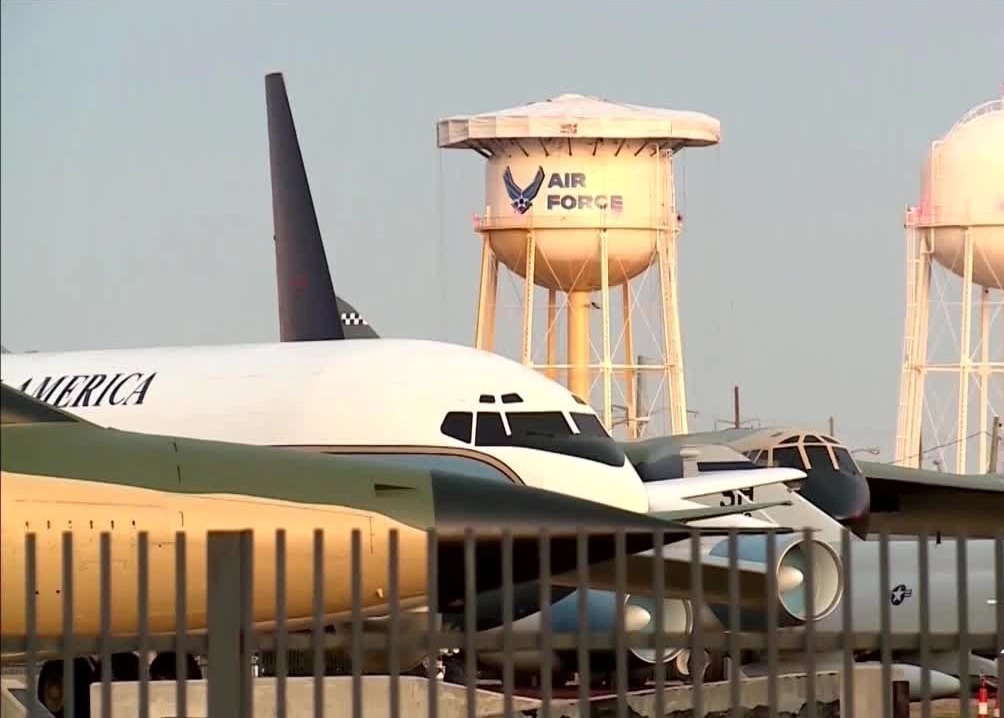
Photo credit: koco.com
Two local drivers matter:
Seasonal Risk Calendar
| Season | Primary Risk | Critical Actions |
|---|---|---|
| Summer (June-Sept) | Peak heat | Coil cleaning, tower readiness |
| Winter (Dec-Feb) | Freeze events | Boiler PM, heat trace, glycol |
| Shoulder (Apr-May, Oct-Nov) | Changeover issues | Controls verification |
Facilities that plan for these windows see fewer mission-impact failures.
For broader private-sector operational planning across the metro, use our Oklahoma City industrial park HVAC guide.
Decision guidance: when to call (and what information speeds up response)
When to Call
| Situation | Urgency |
|---|---|
| Safety trip repeats | Call immediately |
| Capacity trending down during heat | Call same day |
| Critical zones drifting | Call immediately |
| Unusual noise or alarm | Call for evaluation |
Information to Have Ready
| Information | Where to Find |
|---|---|
| Alarm text and lockout status | Control panel display |
| Outside conditions | Weather or sensor |
| Key temperatures | BAS or local display |
| Recent changes | Maintenance log |
Preventative maintenance: what protects uptime
For secure and mission-critical facilities, the best PM programs include:
Mission-Critical PM Program
| Task | Frequency | Purpose |
|---|---|---|
| Coil cleaning | Seasonal | Capacity protection |
| Tower chemistry | Weekly testing | Fouling prevention |
| Tube cleaning | Annual | Efficiency maintenance |
| Controls review | Quarterly | Trend analysis |
| Known issues tracking | Ongoing | Pattern recognition |
| Alarm testing | Monthly | Verify routing |
Best Practice: Uptime is a program, not a reaction.
Need commercial HVAC support near Tinker AFB?
Total Mechanical Services supports commercial HVAC, chiller, and boiler work across the OKC metro including Midwest City and Del City. Call (405) 223-9900 or request a proposal.
Disclaimer: This guide is informational. Site access and compliance requirements vary by customer and facility. Always follow site-specific policies and qualified professional guidance.
Related Resources
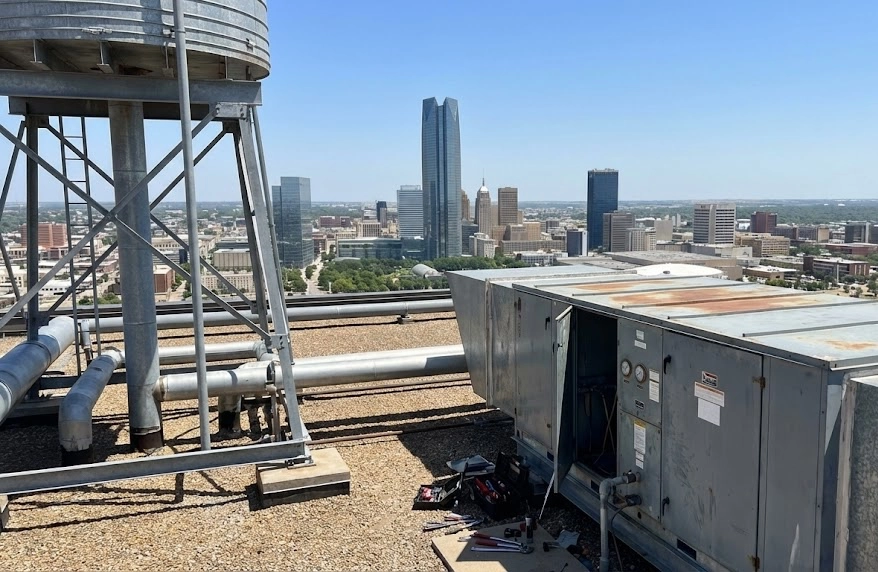
Commercial HVAC for Oklahoma City Industrial Parks: Fast Response, Uptime Planning, and What to Expect
A practical guide for industrial facilities in the OKC metro: response planning, common failure patterns, maintenance strategy, and how to reduce downtime in industrial parks.
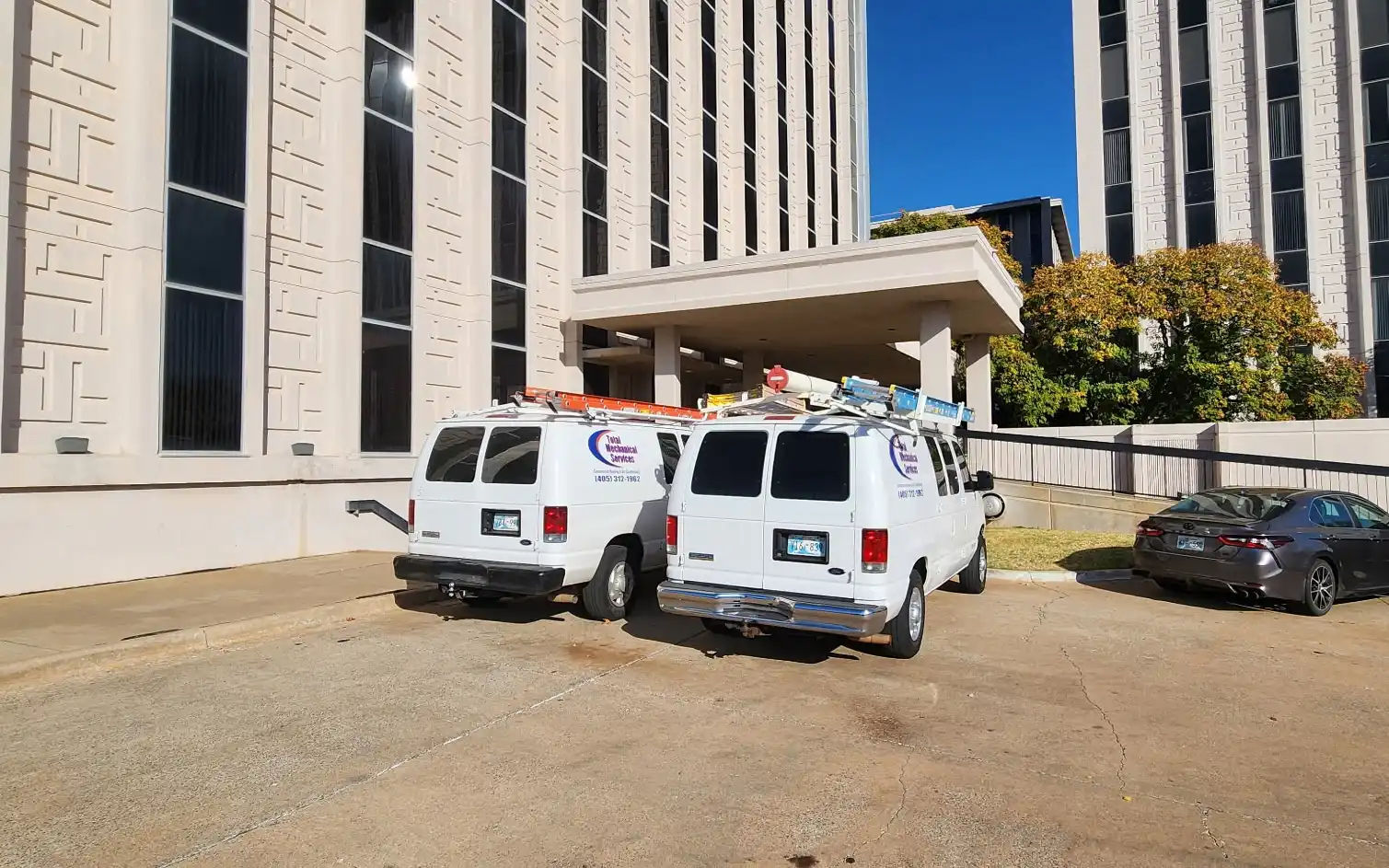
24/7 Emergency HVAC Response in Oklahoma: What to Do in the First 60 Minutes
A practical, Oklahoma-specific emergency HVAC response playbook for facility teams: triage steps, what info to gather, expected timelines, and when to deploy backup cooling.
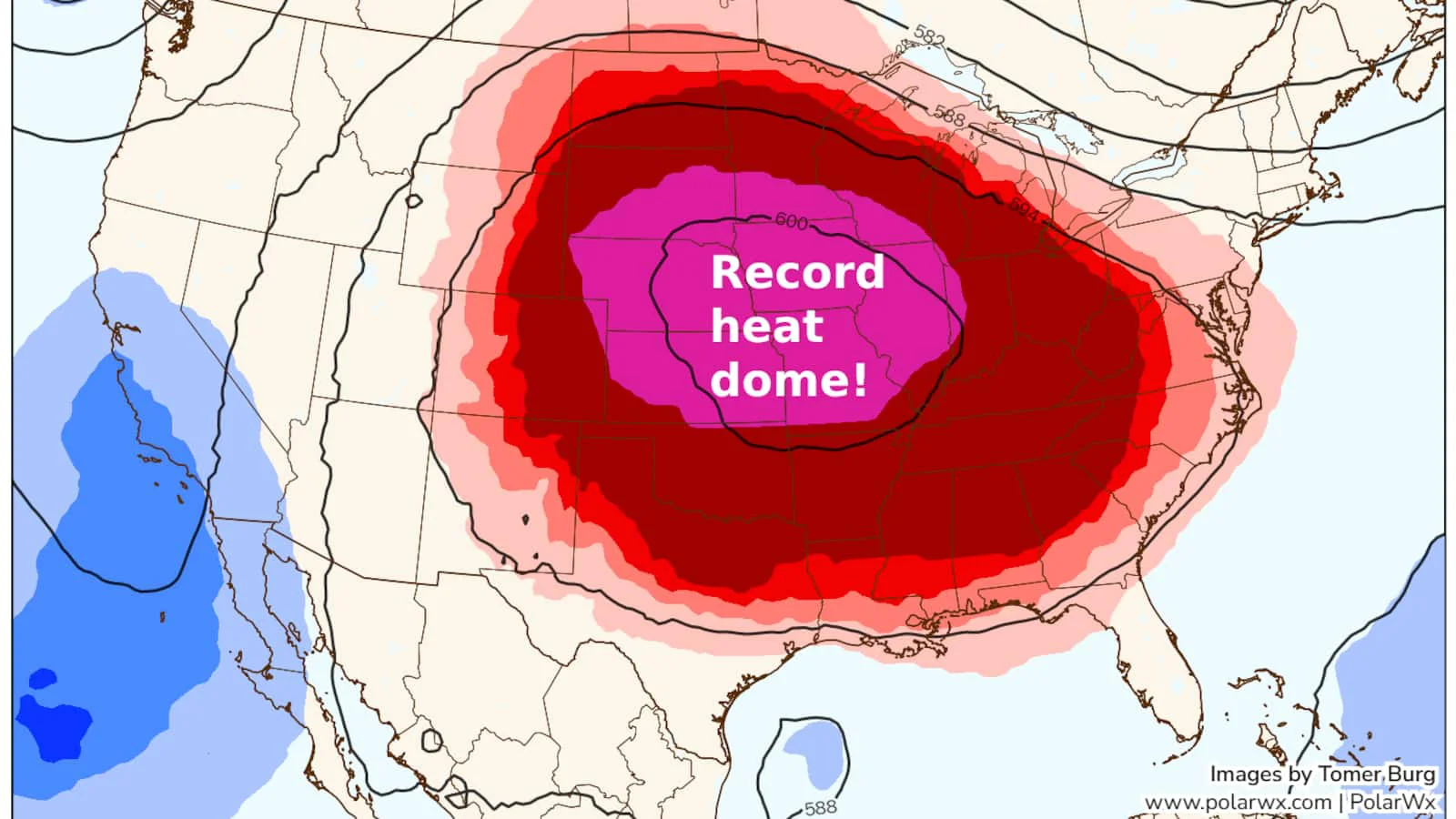
Protecting Commercial HVAC From Oklahoma Heat Domes: High-Ambient Strategy, Coil Cleaning, and Load Management
A practical Oklahoma guide to surviving heat domes: high-ambient chiller/RTU performance, coil cleaning cadence, tower readiness, demand management, and emergency cooling planning.
Need Help with Your System?
Our expert team is ready to assist with design, installation, maintenance, and troubleshooting.