Commercial HVAC for Oklahoma City Industrial Parks: Fast Response, Uptime Planning, and What to Expect
A practical guide for industrial facilities in the OKC metro: response planning, common failure patterns, maintenance strategy, and how to reduce downtime in industrial parks.
Commercial HVAC for Oklahoma City Industrial Parks: Fast Response, Uptime Planning, and What to Expect
Quick Answer
If your site includes heavy process loads, pair this with our manufacturing and industrial HVAC strategy guide.
Why industrial park HVAC fails differently than “downtown office” HVAC
Industrial facilities typically have:
| Factor | Office Building | Industrial Facility |
|---|---|---|
| Heat loads | Predictable occupancy | Variable process demand |
| Ventilation driver | People | Operations + contaminants |
| Downtime cost | Inconvenience | Production loss, penalties |
| Support model | Comfort-focused | Uptime-focused |
That changes the support model. You don’t just want a technician—you want a plan.
Common OKC metro industrial HVAC systems
Industrial parks commonly run a mix of:
System Type Summary
| System | Purpose | Common Issues |
|---|---|---|
| RTUs/MAUs | Space conditioning, ventilation | Coil loading, filter bypass |
| Process chillers | Equipment cooling | Temperature stability |
| Comfort chillers | Space cooling | Peak-load capacity |
| Boilers | Process heat, space heat | Safety trips, efficiency |
| Ventilation/exhaust | IAQ, contaminant control | Balance, pressure |
| BAS/controls | Integration | Configuration drift |
The best service outcomes happen when controls, mechanical, and maintenance are treated as one system.
Oklahoma City metro realities that drive failures
OKC Climate Impact on Industrial HVAC
| Challenge | When | Impact | Prevention |
|---|---|---|---|
| Peak heat weeks | June-September | Condenser limits, high head | Pre-summer coil cleaning |
| Dust/wind events | Spring, summer | Accelerated coil/filter loading | Increased inspection |
| Power events | Storm season | Restart trips, motor stress | Documented procedures |
Peak heat weeks
During extended high-ambient periods:
- condenser-side margin shrinks
- head pressure rises on air-cooled equipment
- towers and water treatment drift shows up as chiller alarms
Dust and wind events
Coils and filters load faster than “quarterly” schedules assume. Coil loading is a hidden capacity limiter.
Power events and restart instability
Storm season and utility events can trigger nuisance trips and restart problems—especially on older electrical infrastructure.
What “fast response” looks like in real operations
Fast response isn’t just dispatch time. It’s:
Fast Response Components
| Component | What It Means |
|---|---|
| Correct triage | Right tech, right tools for the problem |
| Correct information | Complete data on first call |
| Safe access | Clear equipment identification |
| Parts planning | Backup if parts not immediate |
If your team can provide data and access quickly, repairs happen faster.
Use this in parallel with our first-hour emergency HVAC response checklist so internal triage and contractor dispatch stay aligned.
What to have ready when you call (reduces downtime)
One-Page Equipment Response Sheet
| Information | Purpose |
|---|---|
| Equipment list with model/serial | Identification |
| Equipment locations | Navigation |
| BAS access details | Remote diagnostics |
| Alarm routing contacts | Escalation |
| Critical load priorities | Triage |
| Recent changes | Context |
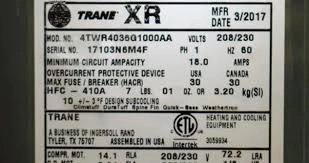
| Nameplate photos | Quick reference |
This turns a “maybe” call into a targeted response.
Maintenance strategy for OKC industrial parks (seasonal approach)
Seasonal Maintenance Calendar
| Season | Tasks | Priority |
|---|---|---|
| Pre-Summer (Apr-May) | Coil cleaning, tower readiness, controls review | Critical |
| Peak Summer | Trend review, increased inspections | High |
| Pre-Winter (Oct-Nov) | Freeze protection, boiler PM, damper check | Critical |
| Mid-Winter | Heat trace verification, emergency response review | Medium |
Pre-summer (recommended)
- coil inspection and cleaning plan for air-cooled equipment
- cooling tower readiness and water treatment verification
- controls sequencing review for peak load behavior
- spare filters and common parts staged
Peak summer
- trend review for approach temperatures and alarm frequency
- increased coil/strainer inspection cadence
- verify demand and staging strategy (avoid hunting and repeated starts)
For peak-weather controls and condenser protection details, see Oklahoma heat dome HVAC protection.
Pre-winter
- freeze protection for exposed piping and drains
- boiler PM and safety verification
- verify economizers and dampers aren’t stuck
Decision guidance: when to call immediately vs schedule
| Condition | Risk Level | Recommended Response |
|---|---|---|
| Repeated safety trips (high pressure, oil, motor protection) | High | Call immediately; stop resetting |
| Critical zone temps drifting (process, IT, controlled spaces) | High | Call immediately |
| Gradual efficiency decline and rising approach temps | Moderate | Schedule service and cleaning |
| Sensor/communication issues with stable operation | Moderate | Schedule soon |
Why documentation matters in industrial environments
Industrial facilities benefit from:
Documentation Value Matrix
| Document Type | Benefit |
|---|---|
| Service reports with root cause | Prevents repeat failures |
| Controls changes documentation | No “mystery overrides” |
| Trend-based proof | Verifies improvements |
| Maintenance history | Faster future troubleshooting |
Need commercial HVAC support in OKC industrial parks?
Total Mechanical Services supports industrial HVAC, chiller, and boiler service across the Oklahoma City metro. Call (405) 223-9900 or request a proposal.
Disclaimer: This guide is informational. Actual system requirements vary by facility, process, and equipment. Always follow site safety policies and qualified professional guidance.
Related Resources
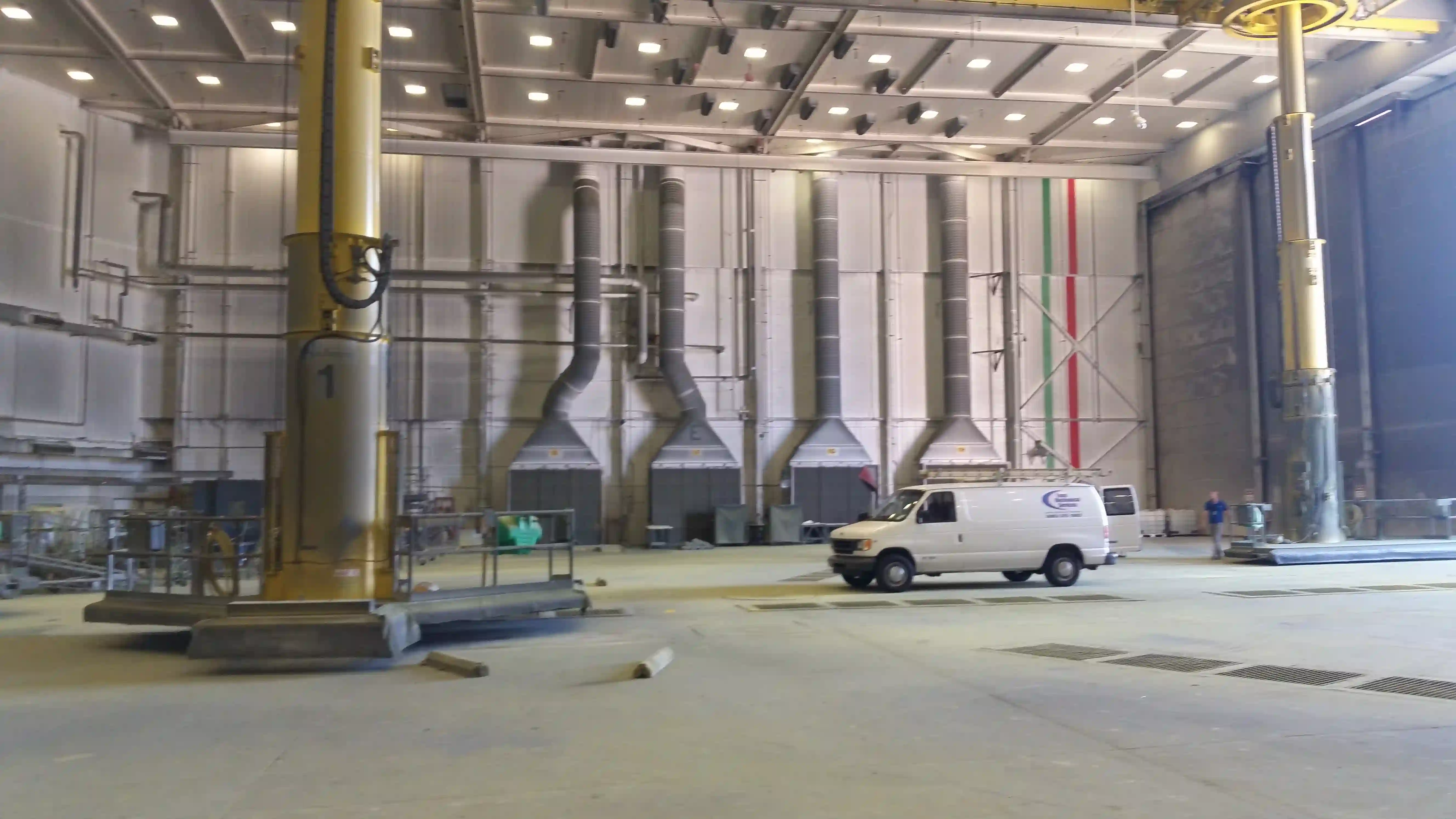
Commercial HVAC for Tinker AFB Contractors (Midwest City): Secure-Site Readiness, Fast Response, and Compliance
A practical guide for contractors and facility teams supporting Tinker AFB-adjacent operations: secure-site HVAC support expectations, documentation, response planning, and uptime strategy.
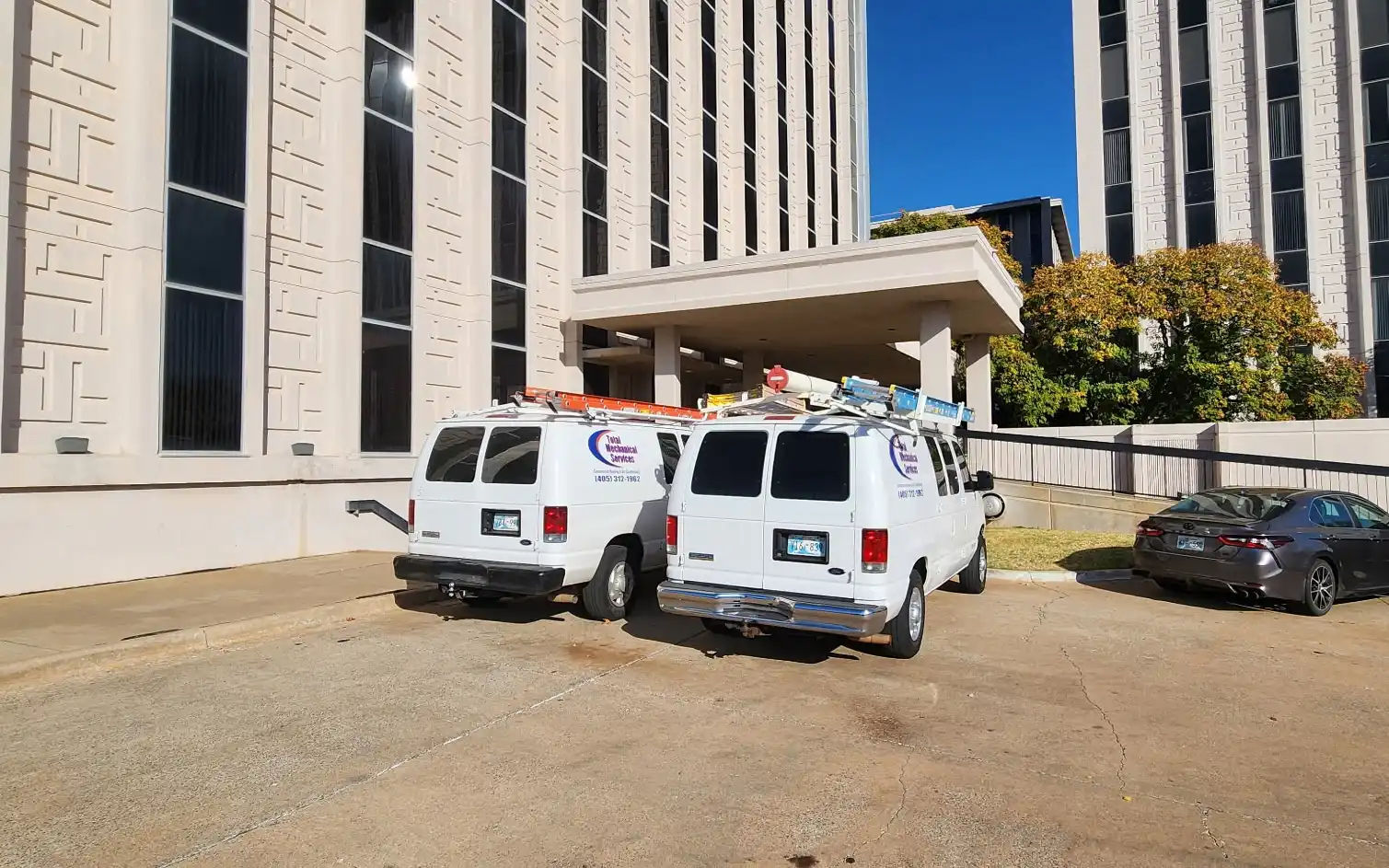
24/7 Emergency HVAC Response in Oklahoma: What to Do in the First 60 Minutes
A practical, Oklahoma-specific emergency HVAC response playbook for facility teams: triage steps, what info to gather, expected timelines, and when to deploy backup cooling.
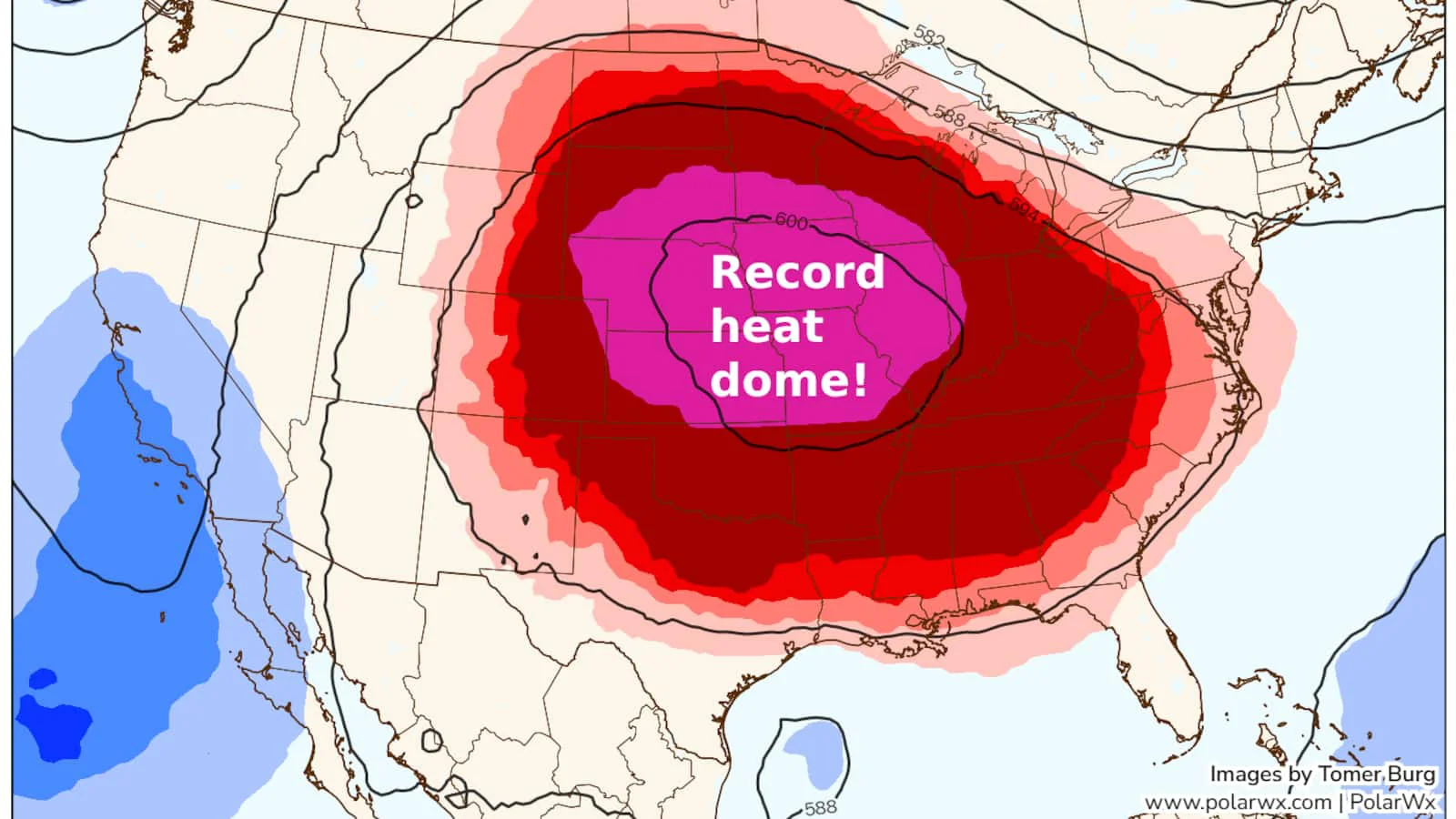
Protecting Commercial HVAC From Oklahoma Heat Domes: High-Ambient Strategy, Coil Cleaning, and Load Management
A practical Oklahoma guide to surviving heat domes: high-ambient chiller/RTU performance, coil cleaning cadence, tower readiness, demand management, and emergency cooling planning.
Need Help with Your System?
Our expert team is ready to assist with design, installation, maintenance, and troubleshooting.