ASME R-Stamp vs S-Stamp in Oklahoma: What Facilities Should Require (and How to Verify It)
A practical guide for Oklahoma facilities on ASME R-Stamp vs S-Stamp: what each allows, why it matters for liability, and how to vet a contractor before pressure work begins.
ASME R-Stamp vs S-Stamp in Oklahoma: What Facilities Should Require (and How to Verify It)
If you’re a facility manager, procurement officer, or CFO signing off on boiler and pressure work, here’s the hard truth: the quality of the paperwork and the quality of the weld are connected. When a contractor says “we can repair it,” the next question should be “under what certification, and how will this be documented?” In Oklahoma, the most common confusion we see is around ASME stamps—especially R-Stamp and S-Stamp—and what those stamps actually authorize a contractor to do.
This guide breaks down what each stamp is generally associated with, what it means for risk and compliance, and how to verify you’re hiring the right team before work starts.
Quick Answer: What’s the difference between R-Stamp and S-Stamp?
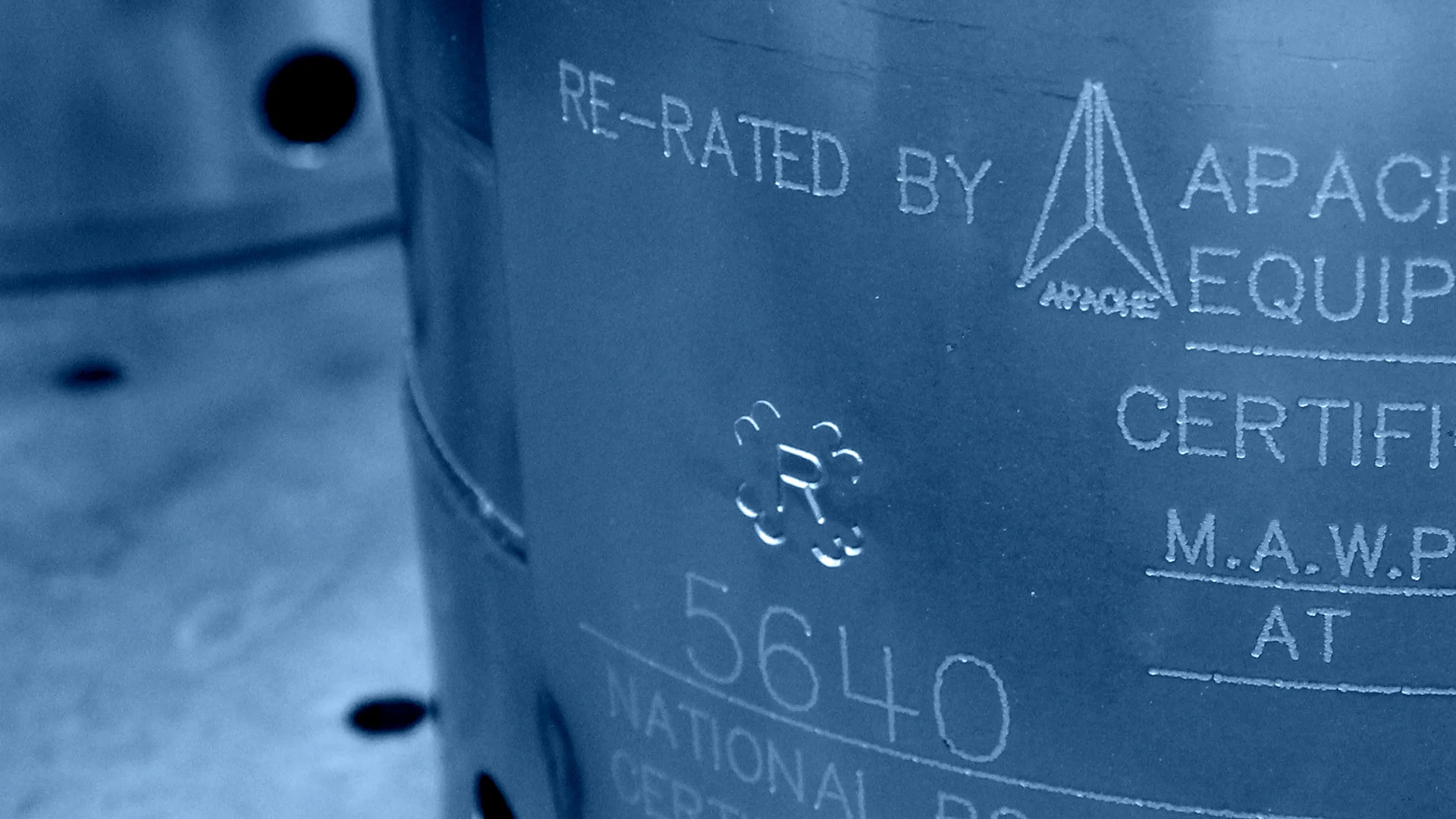
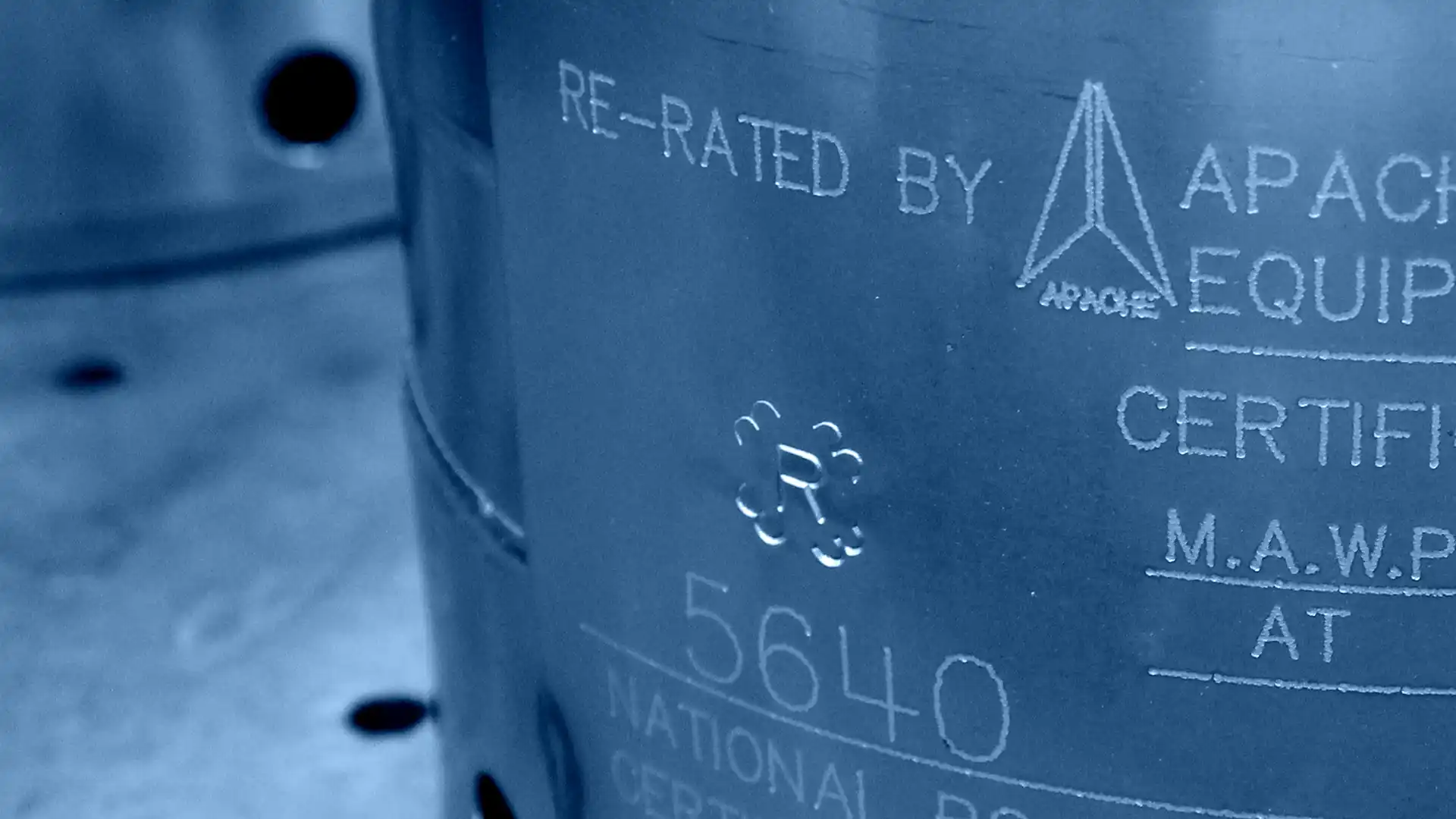
In practical terms, R-Stamp is associated with authorized repairs/alterations in the field (work that needs to be documented as a code-compliant repair). S-Stamp is associated with construction of certain power boiler components under ASME rules. Most facilities don’t need to memorize definitions—they need to know which stamp is appropriate for the scope of work, and how to verify the contractor can legally and safely perform that scope.
For inspection readiness around these requirements, see our Oklahoma boiler inspection requirements guide.
ASME Stamp Quick Reference
| Stamp | Primary Association | Typical Scope | Facility Use Case |
|---|---|---|---|
| R-Stamp | Repairs and alterations | Field repairs to existing pressure equipment | Boiler tube repair, pressure vessel patch |
| S-Stamp | Power boiler construction | New power boiler components | Boiler replacement, new installation |
| U-Stamp | Pressure vessel fabrication | New pressure vessels | New tanks, heat exchangers |
| PP-Stamp | Pressure piping | Power piping systems | Steam piping modifications |
Why this matters (procurement + risk, not trivia)
Stamped work exists because pressure equipment failure has high consequences:
| Risk Category | Potential Impact | How Proper Certification Helps |
|---|---|---|
| Safety risk | Injury to occupants and technicians | Qualified procedures reduce failure |
| Equipment damage | Catastrophic pressure release | Proper materials and welds |
| Regulatory exposure | Inspection failures, citations | Documented compliance |
| Insurance/liability | Coverage disputes after incident | Defensible work documentation |
When something goes wrong, the question is often not “did someone try their best?” but “was the work performed and documented in a way that meets accepted standards?”
What ASME “stamps” represent (how to think about it)
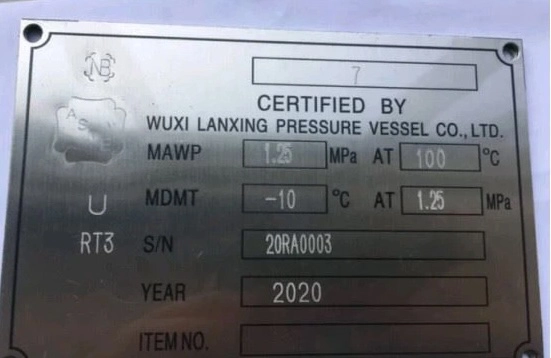
ASME stamps are commonly used as shorthand for:
| Component | What It Means | Why It Matters |
|---|---|---|
| Quality system | Documented procedures and controls | Consistent, repeatable work |
| Qualified personnel | Certified welders, trained inspectors | Competent execution |
| Traceable documentation | Material certs, weld logs, test records | Audit trail for compliance |
| Inspection steps | Third-party or authorized inspector involvement | Independent verification |
It’s not just a sticker. It’s a system—and your facility benefits from that system when repairs happen under time pressure.
R-Stamp: why facilities ask for it on repair work
R-Stamp is often discussed in the context of:
- repairs or alterations to pressure-retaining equipment
- documented repair packages
- inspection involvement and traceability
Typical scenarios where R-Stamp comes up
| Scenario | Why R-Stamp May Apply | Documentation Expected |
|---|---|---|
| Boiler tube repair after inspection finding | Pressure boundary repair | R-form, material certs, weld procedures |
| Pressure vessel patch | Structural integrity restoration | Repair plan, inspector signoff |
| Safety valve replacement | Pressure safety device | Certification, test documentation |
| Drum or header repair | Pressure-retaining component | Complete repair package |
R-Stamp repair process overview
| Step | Activity | Responsible Party |
|---|---|---|
| 1 | Assess damage and determine scope | R-Stamp holder + inspector |
| 2 | Develop repair plan | R-Stamp holder engineering |
| 3 | Submit plan for approval | Authorized inspector |
| 4 | Execute repair with qualified welders | R-Stamp holder |
| 5 | Document materials, procedures, tests | R-Stamp holder |
| 6 | Final inspection and signoff | Authorized inspector |
| 7 | Issue R-form documentation | R-Stamp holder |
When repairs require pressure confirmation before returning to service, use this boiler hydrostatic testing guide to plan the test scope and documentation.
Why procurement teams like R-Stamp language
Because it reduces ambiguity. If the scope requires documented pressure repair, the stamp helps define:
- who is qualified to do the work
- what documentation must exist
- what inspection steps are expected
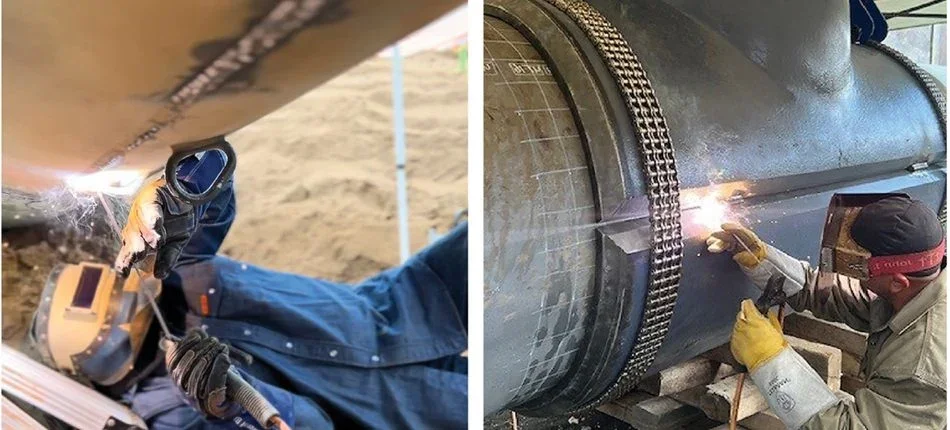
Photo credit: weldfit.com
S-Stamp: where it typically fits
S-Stamp is commonly associated with:
- power boiler construction-related work under ASME rules
- controlled fabrication standards
| S-Stamp Application | Typical Context | Who Uses It |
|---|---|---|
| Power boiler components | Drums, headers, superheaters | Boiler manufacturers |
| Field-assembled boilers | Large industrial installations | Qualified fabricators |
| Replacement components | Code-stamped replacements | Specialty fabricators |
From a facility perspective, S-Stamp questions often appear when:
- a project involves boiler components that fall under construction rules
- you’re buying or installing boiler equipment that must be manufactured to certain standards
In many operations, the facility isn’t “using” the S-Stamp directly—but procurement may be evaluating it when comparing vendors and project approaches.
U-Stamp (and why it shows up in the same conversations)
Even when your immediate question is R vs S, you’ll often hear U-Stamp mentioned because it’s commonly associated with pressure vessels. The point here isn’t to turn this into a stamp encyclopedia—the point is that a contractor who works in this space should be able to explain, in plain language, how the scope aligns with the appropriate certification and documentation.
| Stamp | Equipment Type | Common Examples |
|---|---|---|
| U-Stamp | Pressure vessels | Flash tanks, heat exchangers, receivers |
| R-Stamp | Repairs to above | Patch repairs, alterations |
| S-Stamp | Power boilers | Steam boilers, power generation equipment |
Oklahoma compliance and inspection realities (what gets checked)
In Oklahoma, facilities commonly interact with inspection and compliance processes for boilers and pressure equipment. The practical takeaway:
| Inspection Point | What Inspector Evaluates | Documentation Required |
|---|---|---|
| Annual inspection | Equipment condition, safety devices | Maintenance records, repair history |
| After repair | Repair quality, procedure compliance | R-form, material certs, weld records |
| After alteration | Design compliance, code adherence | Engineering evaluation, inspector approval |
| New installation | Nameplate data, installation quality | Manufacturer documentation, permits |
- The inspector will care about documentation and compliance scope, not just “it looks fine.”
- If work is performed outside the appropriate scope, you may face delays, rework, or additional scrutiny.
This is why we recommend treating certification verification as a pre-bid step, not an after-the-fact scramble.
How to verify a contractor (a real procurement checklist)
Here’s a vetting process that works even if you’re not an engineer:
Contractor Verification Checklist
| Step | Question to Ask | Expected Response | Red Flag |
|---|---|---|---|
| 1 | What stamp is required for this scope? | Clear explanation of work type | Hand-waving or uncertainty |
| 2 | Can you show your current certificate? | Valid certificate with scope | Expired or wrong scope |
| 3 | Who will be on-site doing the work? | Named, qualified personnel | “Whoever is available” |
| 4 | What documentation will be produced? | Specific list of deliverables | “We’ll figure it out” |
| 5 | Who coordinates inspection? | Clear responsibility assignment | “That’s your problem” |
1) Ask “what stamp is required for this scope?”
A qualified contractor should be able to answer without hand-waving:
- What is being repaired?
- Is it pressure boundary work?
- What documentation will be produced?
2) Ask for documentation examples (redacted)
Request a sample of:
- a repair package outline
- inspection signoffs
- material traceability documentation (as applicable)
If a contractor can’t show you what “compliant documentation” looks like, that’s a risk flag.
3) Verify the quality system, not just the salesperson
| Quality System Element | What to Ask | Why It Matters |
|---|---|---|
| Foreman/lead welder qualifications | Certified? For which procedures? | Ensures competent execution |
| Procedure signoff authority | Who approves weld procedures? | Quality control |
| Deviation handling | How are changes managed? | Prevents scope creep issues |
| Material control | How are materials traced? | Audit trail |
4) Clarify who is responsible for inspection coordination
| Responsibility | Contractor | Owner | Shared |
|---|---|---|---|
| Scheduling inspection | Often | Sometimes | Clarify in contract |
| Lead time management | Yes | Support | Communication |
| Documentation package | Yes | Review | Handoff |
| Corrective actions | Yes | Approve | Collaboration |
The fastest way to blow a schedule is to treat inspection as “someone else’s problem.”
Common misconceptions (what causes bad decisions)
| Misconception | Reality | Risk |
|---|---|---|
| “If they can weld, they can do it.” | Pressure boundary welding requires certification | Unqualified work, failed inspection |
| “We’ll document it later.” | Documentation must match the work | Gaps, compliance issues |
| “We can bypass a safety or patch it to get through the season.” | Creates long-term risk | Liability, inspection failure |
| “All contractors are basically the same.” | Quality systems vary significantly | Inconsistent outcomes |
| “The stamp is just paperwork.” | The stamp represents a complete system | False confidence |
Practical “when to stop and call procurement/legal”
| Situation | Action Required | Why |
|---|---|---|
| Scope involves pressure boundary repair | Verify R-Stamp authorization | Liability and compliance |
| Contractor can’t state their authorization | Stop work, escalate | Risk of unqualified work |
| Documentation expectations unclear | Clarify before proceeding | Avoid disputes |
| Suggestion to bypass safeties | Immediate stop | Safety and liability |
| Inspector raises concerns | Address before continuing | Prevent rework |
Escalate internally if:
- the scope involves pressure boundary repair
- the contractor can’t clearly state their authorization for the scope
- documentation expectations are unclear
- someone suggests bypassing safeties or skipping inspection steps
Decision Matrix: When Each Stamp Applies
| Work Type | Equipment | Typical Stamp Required |
|---|---|---|
| Repair existing boiler | Power boiler | R-Stamp |
| Repair pressure vessel | Unfired vessel | R-Stamp |
| New power boiler installation | Power boiler | S-Stamp (manufacturer) |
| New pressure vessel | Unfired vessel | U-Stamp (manufacturer) |
| Alteration to existing equipment | Any pressure equipment | R-Stamp |
| Replace pressure-retaining component | Varies | Depends on scope |
If your scope is moving from repair into replacement territory, map budget and schedule risk with our industrial boiler replacement cost estimation guide.
Need help scoping boiler/pressure work in Oklahoma?
Total Mechanical Services supports commercial boiler and piping repair planning, compliance coordination, and project execution across Oklahoma. Call (405) 223-9900 or request a proposal.
Disclaimer: This guide is informational and does not replace site-specific engineering, legal review, or regulatory guidance. Certification requirements and documentation expectations depend on equipment classification and scope. Always verify requirements with qualified professionals and the applicable authority for your facility.
Related Resources
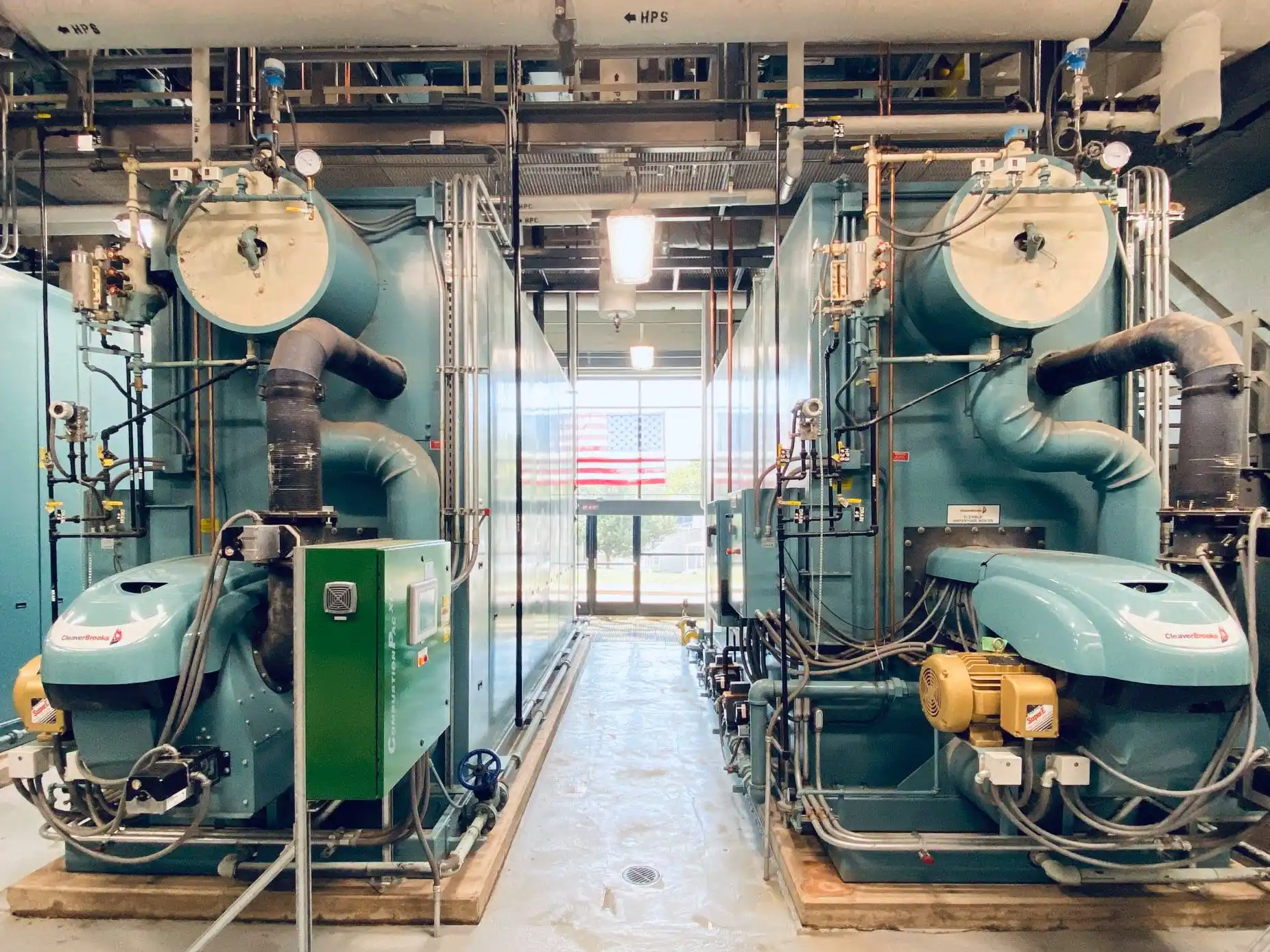
Industrial Boiler Replacement Cost Estimation in Oklahoma: What Drives Price, Schedule, and Risk
A practical Oklahoma guide to estimating industrial boiler replacement cost: sizing approach, equipment and installation cost drivers, permitting/inspection, outage planning, and lifecycle trade-offs.
Oklahoma Ice Storm HVAC Recovery: Freeze Damage Triage, RTU/Chiller Plant Checks, and Safe Restart
A practical Oklahoma guide to recovering HVAC after ice storms: pre-storm prep, freeze damage triage, thaw and restart strategy, and documentation for insurance and risk control.
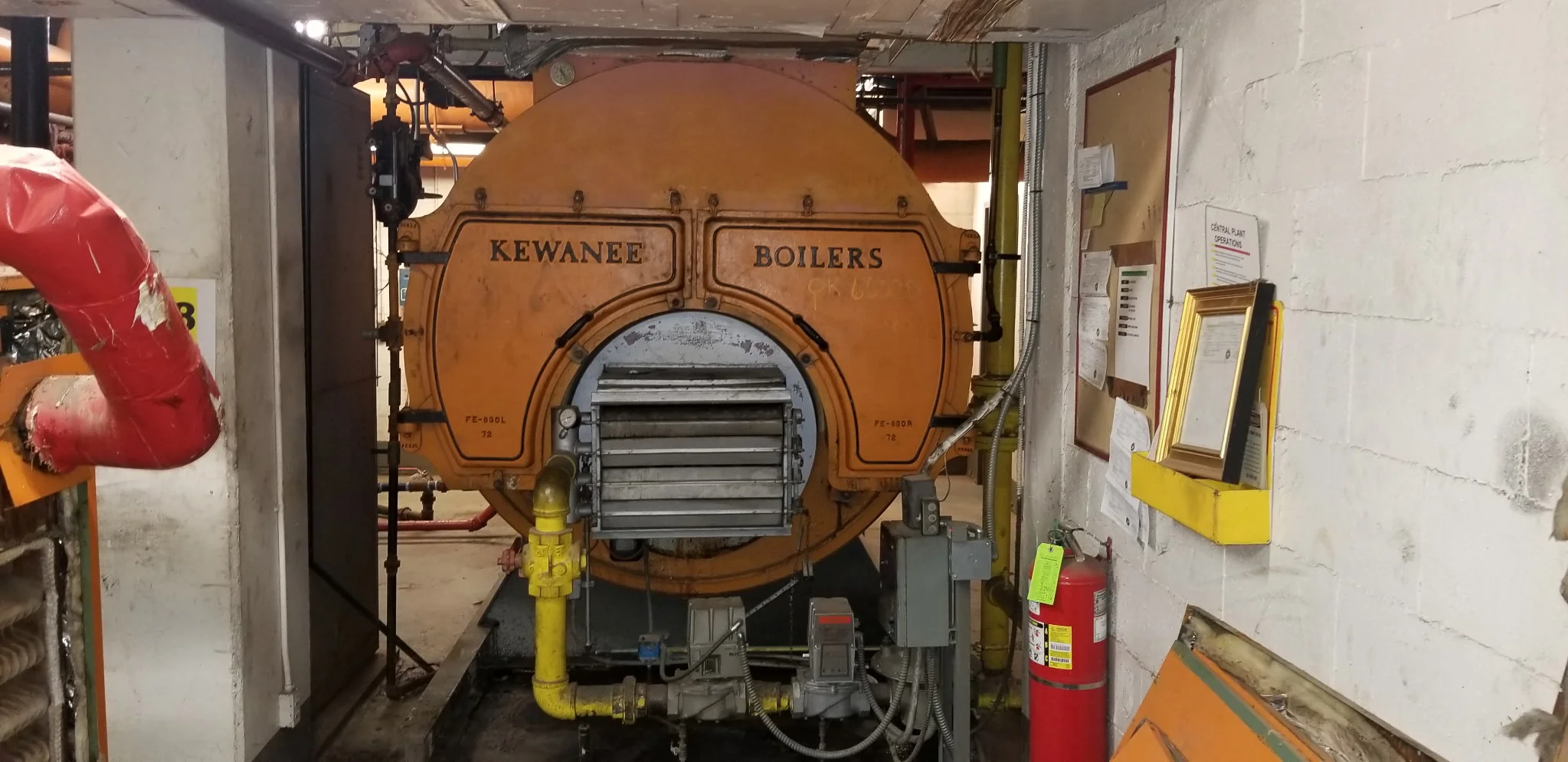
Oklahoma Boiler Inspection Requirements: What Facilities Need to Know (and How to Pass)
A practical overview of Oklahoma boiler inspection requirements: how facilities prepare, what inspectors commonly flag, and how to avoid delays, rework, and shutdown risk.
Need Help with Your System?
Our expert team is ready to assist with design, installation, maintenance, and troubleshooting.