
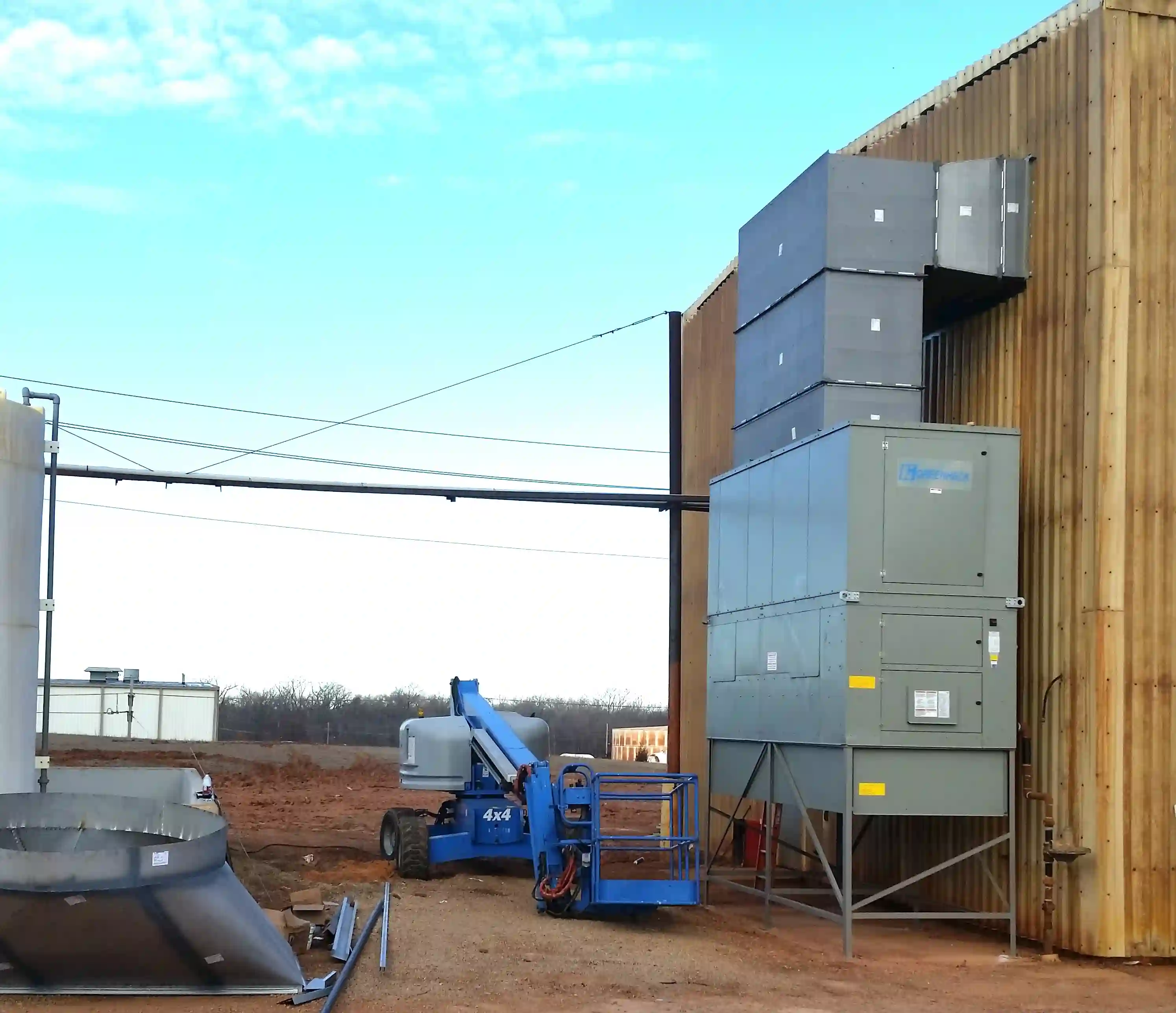
National Standard (Stillwater, OK) 4.5 MMBTU Makeup Air Heater Retrofit: Paint & Coat Building Capacity Upgrade
A Stillwater industrial retrofit replacing an aging gas-fired makeup air heater with a 4.5 MMBTU unit—rigging, gas train setup, startup checklist, and production-minded scheduling.
National Standard (Stillwater, OK) 4.5 MMBTU Makeup Air Heater Retrofit
Quick Answer
Project overview
National Standard operates industrial manufacturing in Stillwater, Oklahoma. This project was in their Paint & Coat Building, where tempered outside air is critical for:
- keeping processes stable
- controlling fumes and odors through proper exhaust makeup
- maintaining workable conditions for people and product quality
For the system-level version of this planning, see our manufacturing and industrial HVAC strategy guide.
The existing makeup air heater was very old and at the end of its useful life. The facility also needed more dependable heat capacity, especially when Oklahoma cold snaps show up at the worst time (mid-January is a classic “why did we wait?” moment).
What we installed (and why it mattered)
The replacement was a gas-fired makeup air unit sized around 4.0–4.5 MMBTU/hr. In practical terms, this is the kind of heater that looks simple on paper and becomes a scheduling and safety project in the real world because:
- it’s heavy and awkward (rigging matters)
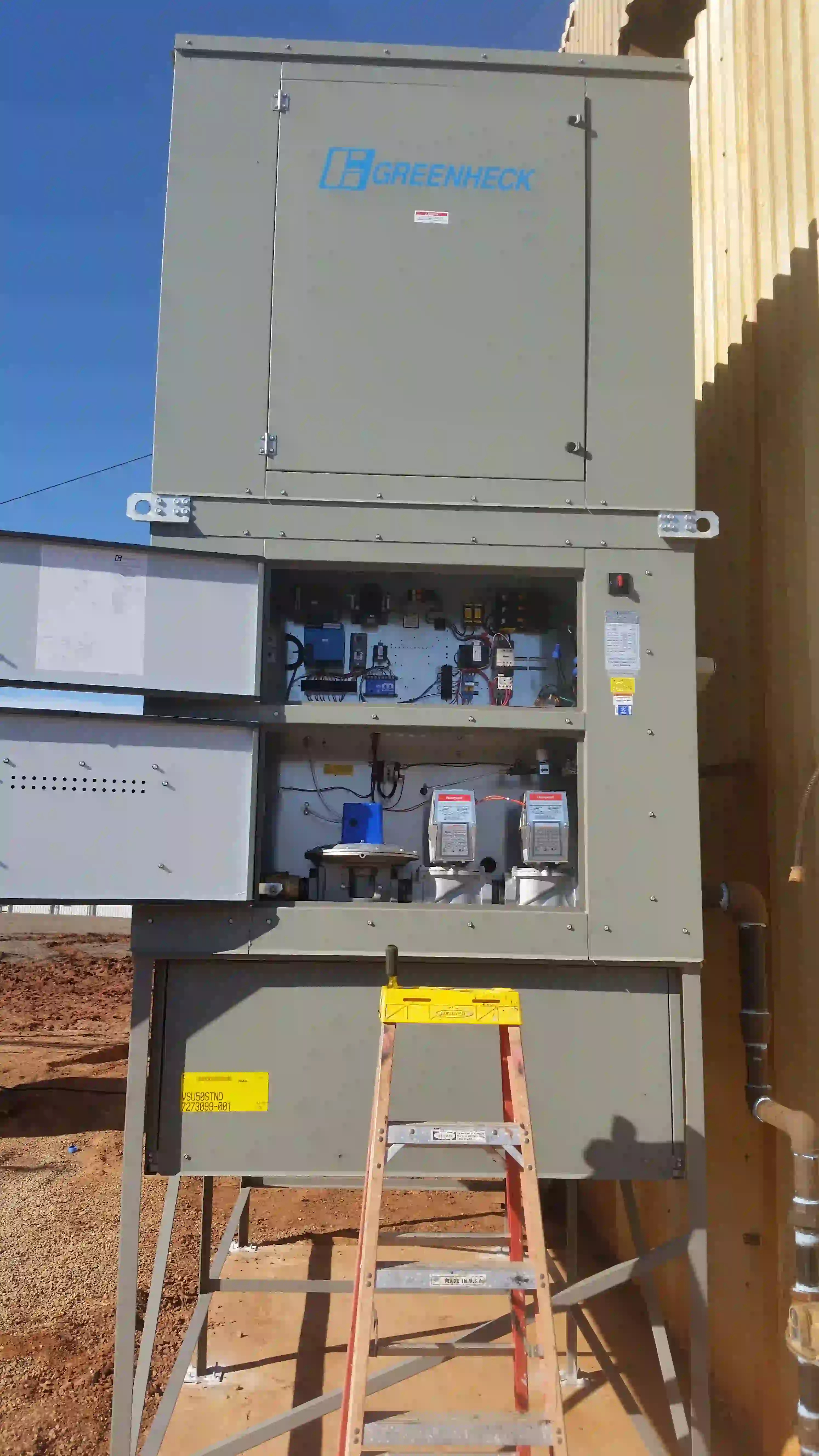
- it’s connected to high-stakes systems (gas + flame safeguard + high limits)
- it lives at the intersection of HVAC, sheet metal, electrical, and safety controls
Project challenges (the stuff you don’t see on a quote)
Challenge 1: Lead time and “winter urgency”
The facility knew they needed the replacement—then the decision window shrank as the weather got colder. A common Oklahoma pattern is:
- October: “We should replace that heater.”
- January: “We need it now.”
In reality, many commercial/industrial MAU heaters have multi-week to multi-month lead times (we’ve seen 13-week lead times often enough that we plan for it). Waiting forces everyone into a corner:
- expedited logistics
- harder scheduling
- more risk of downtime during the coldest weeks
If that downtime risk becomes active, use our 24/7 emergency HVAC response playbook to stabilize operations during mobilization.
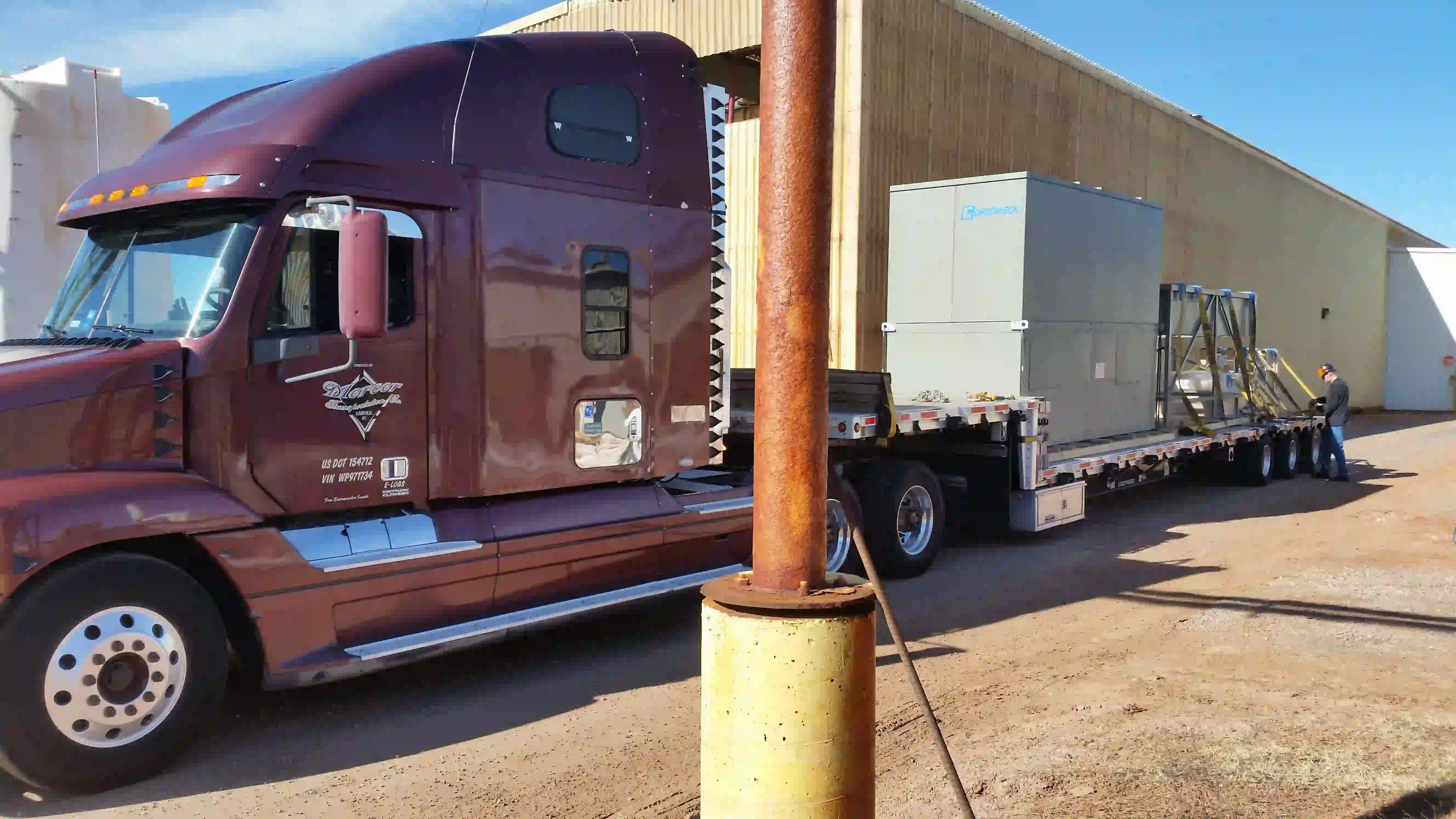
Challenge 2: Rigging and safe set
A heater retrofit can be “easy” mechanically and still be dangerous if rigging is sloppy. We planned for:
- delivery timing
- cranage / lift planning
- safe setdown and staging so nobody gets hurt
Challenge 3: Duct transitions and “hole in the wall” reality
This install required coordinated sheet metal work where the unit ties into the building. We were able to make specialty sheet metal to:
- adapt duct transitions cleanly
- seal connections properly
- make sure airflow went where it was supposed to go (intake, heat section, discharge)
Scope of work (what we did)
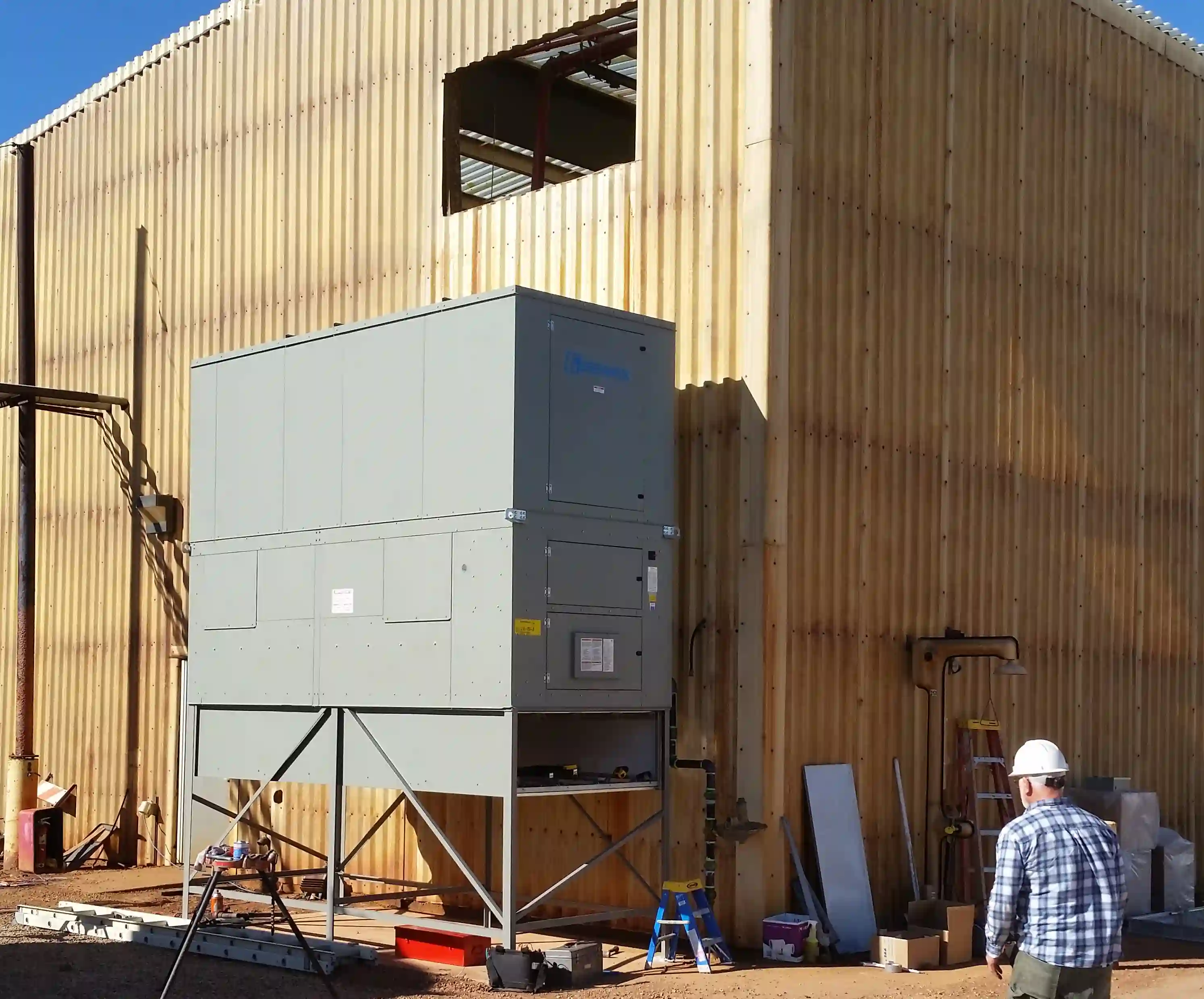
This was a true retrofit: remove old equipment, set new equipment, and commission it properly.
Mechanical + sheet metal coordination
- removed the existing unit
- set the new makeup air heater
- coordinated duct tie-ins and transitions
Electrical
The good news with many retrofits is that existing power is often adequate—especially because newer equipment tends to be more efficient. We still handled:
- verifying electrical requirements and phase
- installing a new disconnect where required
- confirming safe wiring and grounding
Gas piping and gas train setup
On gas-fired makeup air heaters, the gas “tie-in” is not just a pipe connection. It’s a safety system:
- gas piping to the unit
- new gas regulator where required
- leak checks
- confirming correct firing rate range
Commissioning / startup checklist (the part most people skip)
We performed a startup checklist to verify the unit operated within manufacturer specifications and that all safety devices behaved correctly, including:
- flame safeguard verification
- high limits
- airflow proving / interlocks
- stable operation across the intended firing range
This is where “it runs” becomes “it runs safely, repeatedly, and predictably.”
Oklahoma-specific considerations (Stillwater industrial reality)
Cold snaps + process uptime
Stillwater and north-central Oklahoma can swing hard in winter. When the heater is down, it isn’t only discomfort—it can be a production and quality issue.
Supply chain and pricing volatility
Over the last few years, we’ve built more “real-world” language into proposals because material pricing can move fast due to:
- freight delays
- manufacturer allocation
- tariff changes and policy shifts
That doesn’t mean “panic and overpay.” It means plan early so you can order normally instead of ordering in a crisis window.
Results (what the facility got)
This retrofit delivered:
- higher, more dependable heating capacity for makeup air
- a safer and more stable gas-fired system with modern safeties
- a cleaner, better-sealed duct transition into the Paint & Coat Building
Lessons learned (what we’d tell another facility manager)
- Don’t schedule MAU heater replacement in January if you can avoid it. Start planning in early fall.
- Treat commissioning as part of the project, not an afterthought. The gas train and safeguards must be verified.
- Rigging is part of the scope. The easiest way to turn a good project into a bad one is rushing the lift.
For winter event prep around rooftop equipment tied to this process, add the RTU winterization checklist for Oklahoma to your seasonal SOP.
Decision guidance: retrofit vs. limp it through another season
| Condition | Risk level | Recommended response |
|---|---|---|
| Heater is “ancient” and repairs are stacking up | High | Budget a replacement and order early |
| Heater fails during cold weather | High | Stabilize operations and plan retrofit ASAP |
| You’re adding process load / ventilation | Medium-High | Confirm heat capacity and air balance |
| You’ve never documented safeguards/startup | Medium | Commission and document before the next season |
Need makeup air / process HVAC support in Stillwater or the OKC metro?
If your facility depends on makeup air, we can help you plan a replacement that’s safe, predictable, and scheduled around operations. Call (405) 223-9900 or request a proposal.
Disclaimer: This case study is informational and generalized. Actual sizing, code requirements, and commissioning steps depend on facility conditions, OEM documentation, and local inspection requirements. Always follow qualified professional guidance.
Related Resources

Oklahoma Ice Storm HVAC Recovery: Freeze Damage Triage, RTU/Chiller Plant Checks, and Safe Restart
A practical Oklahoma guide to recovering HVAC after ice storms: pre-storm prep, freeze damage triage, thaw and restart strategy, and documentation for insurance and risk control.
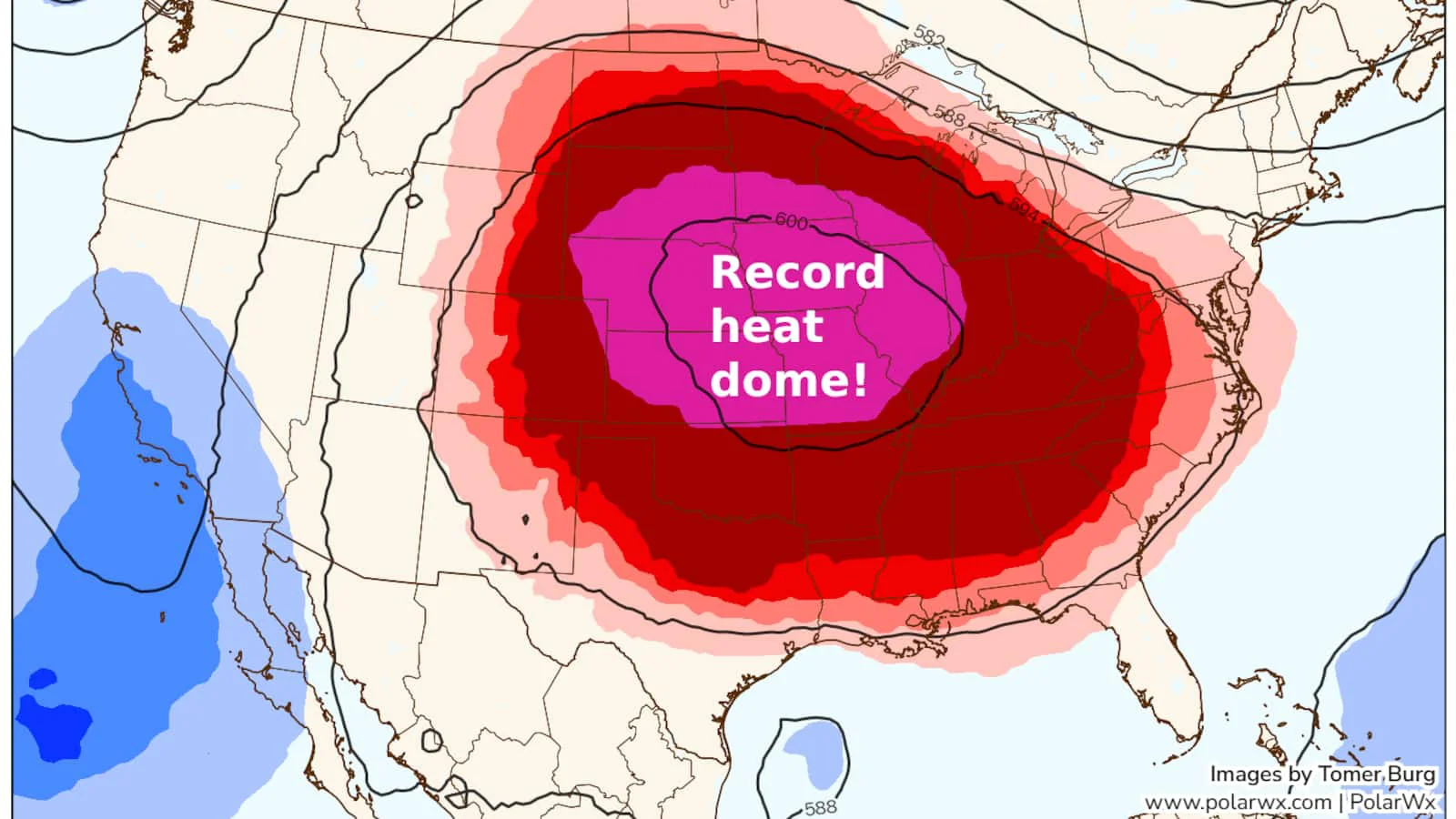
Protecting Commercial HVAC From Oklahoma Heat Domes: High-Ambient Strategy, Coil Cleaning, and Load Management
A practical Oklahoma guide to surviving heat domes: high-ambient chiller/RTU performance, coil cleaning cadence, tower readiness, demand management, and emergency cooling planning.
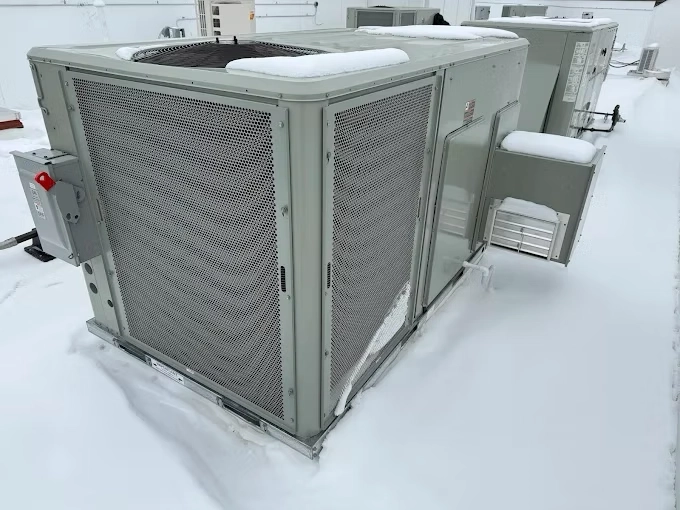
RTU Winterization Checklist for Oklahoma Ice Storms: Freeze Protection, Hail Risk, and Start-Up
A practical rooftop unit winterization checklist for Oklahoma facilities: freeze protection, condensate and economizer checks, hail prep, and post-storm start-up steps.
Need Help with Your System?
Our expert team is ready to assist with design, installation, maintenance, and troubleshooting.